








There’s this weird thing that happens every time I scroll through haircut inspiration: everything is either a dramatic pixie or waist-length mermaid hair, and the middle ground — where most of us actually live — gets a paragraph and a half. I’ve been in and around the medium-hair world for most of my adult life and I find it genuinely fascinating how many distinct cuts actually live in that span. So I sorted them. Shortest up top, longest at the bottom, with the most detail in the middle bands because that’s exactly where the interesting decisions happen.
What We’re Covering — Jump Ahead
Pixie and Crop Length
I know, I know — this technically flirts with “short” territory. But there’s a version of the pixie and the textured crop that still has enough length on top to feel medium in spirit, especially when you’re growing out or just dipping a toe. These two entries are for the brave ones.
1. The Textured Pixie with Length on Top
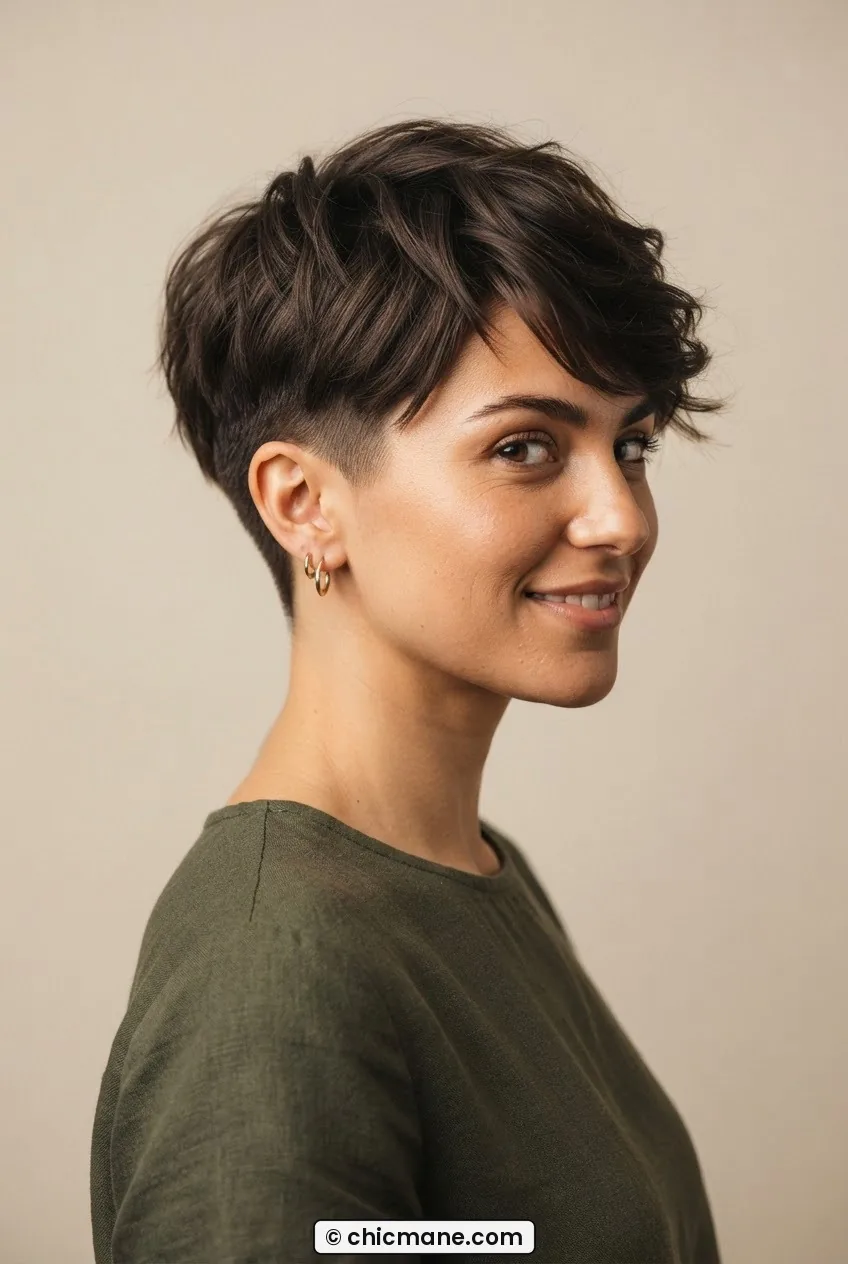
This is the pixie that doesn’t fully commit to being a pixie. The sides stay close-cropped, but the top gets an extra inch or two — enough to push forward, tousle, or finger-comb into something that reads as effortlessly undone. It photographs beautifully in a side-swept situation. She’s rocking it in the photo below with this exact slouchy-on-top structure, and the contrast between the tight nape and the looser crown is everything.
2. The Shaggy Crop
Think Keith Richards but make it feminine. Lots of choppy layers, maybe a curtain fringe, definitely some texture spray involved. The shaggy crop sits at the upper ear but the layers give it movement that longer cuts sometimes can’t pull off. It’s a bigger lifestyle cut than people realize — you kind of have to commit to the tousled life with this one. No sleek blowouts allowed.

Chin to Jaw
This is genuinely my favorite band to talk about. The chin-to-jaw zone is where all the classic haircut conversations happen — bob versus lob, blunt versus layered, tucked behind the ear versus swinging free. There’s a reason Pinterest is flooded with these lengths. They frame the face more deliberately than any other zone.
3. The Blunt Chin-Length Bob
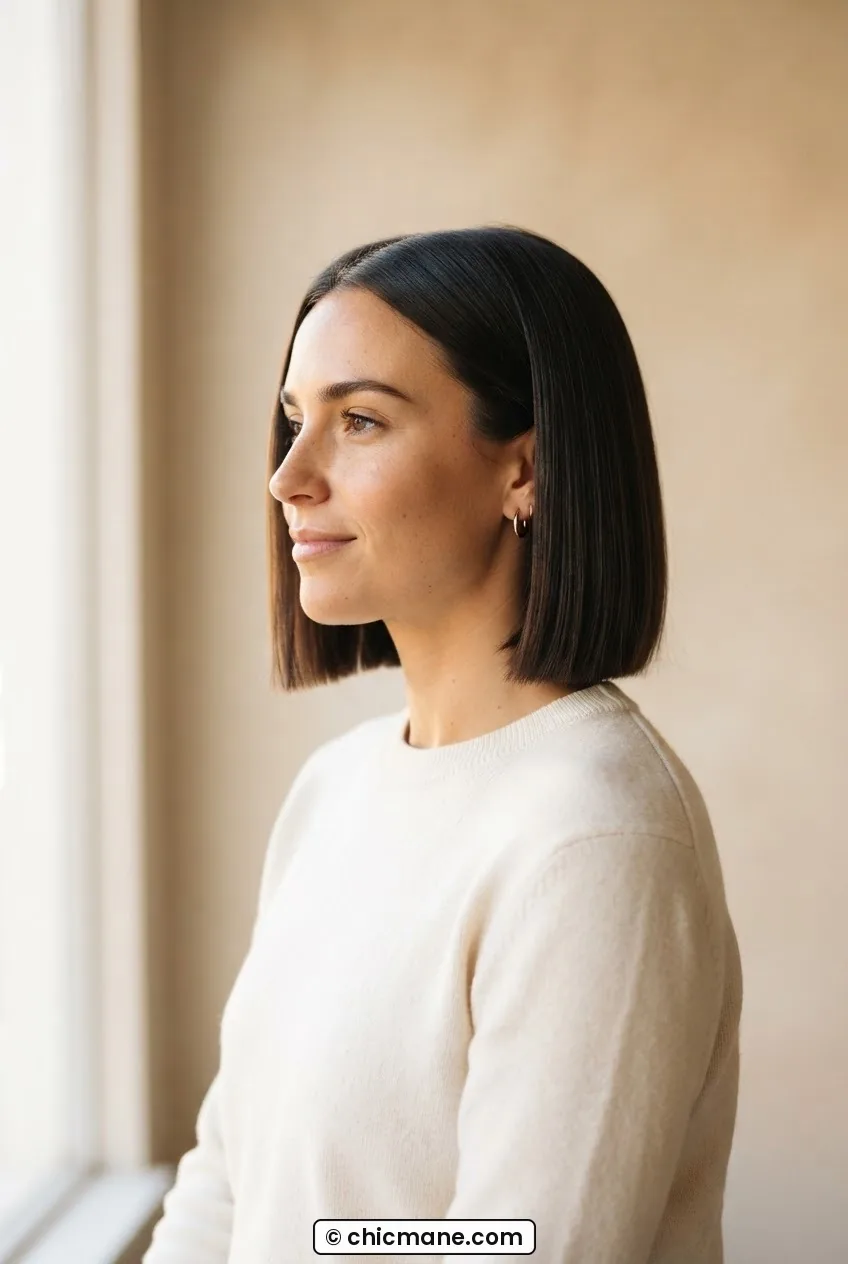
Classic for a reason. When the ends are cut straight across at chin level, the whole silhouette feels intentional in a way that wispy cuts don’t quite achieve. It works especially well on fine hair because the bluntness creates the illusion of density. Look at how her ends sit in the image — that perfect, clean horizontal line is doing a lot of heavy lifting for her overall look.
4. The Asymmetrical Jaw Bob
One side longer than the other. It sounds chaotic but it’s one of the most flattering cuts you can get, particularly if you have a strong jawline or higher cheekbones on one side (which almost all of us do — faces aren’t symmetrical and that’s great). The longer side can drape over the cheek; the shorter side shows off the neck. It’s the haircut equivalent of a statement earring.

5. The Layered Jaw-Length Cut
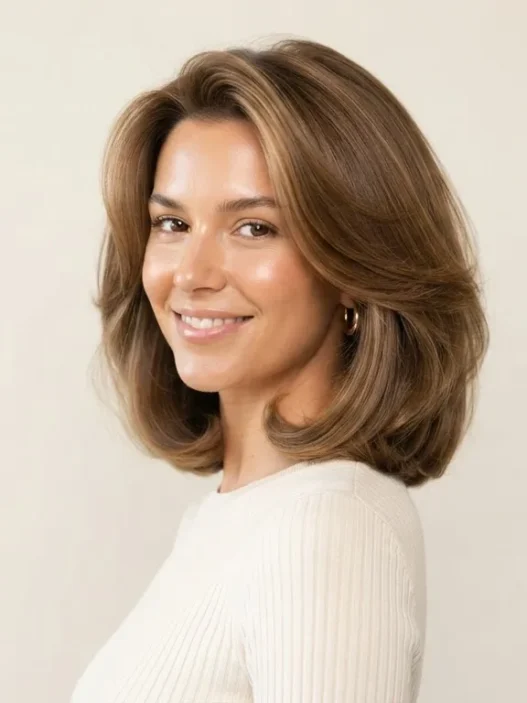
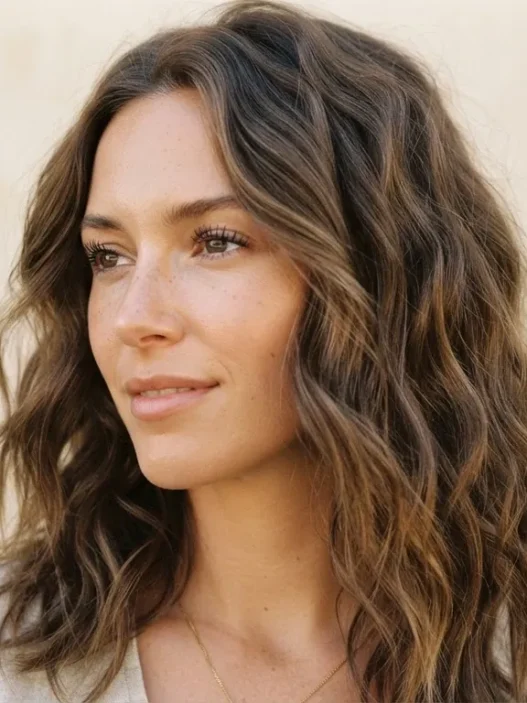
Where the blunt bob is sharp and graphic, the layered jaw-length cut is soft and lived-in. The layers start around the cheekbone and tumble down so the ends aren’t one solid line but a gentle, feathered edge. For anyone with wavy or naturally textured hair, this is genuinely transformative — the layers lean into your wave pattern rather than fighting it. I point people toward hair inspiration matched to your curl pattern whenever they’re unsure about layering because the result really does depend on your texture.
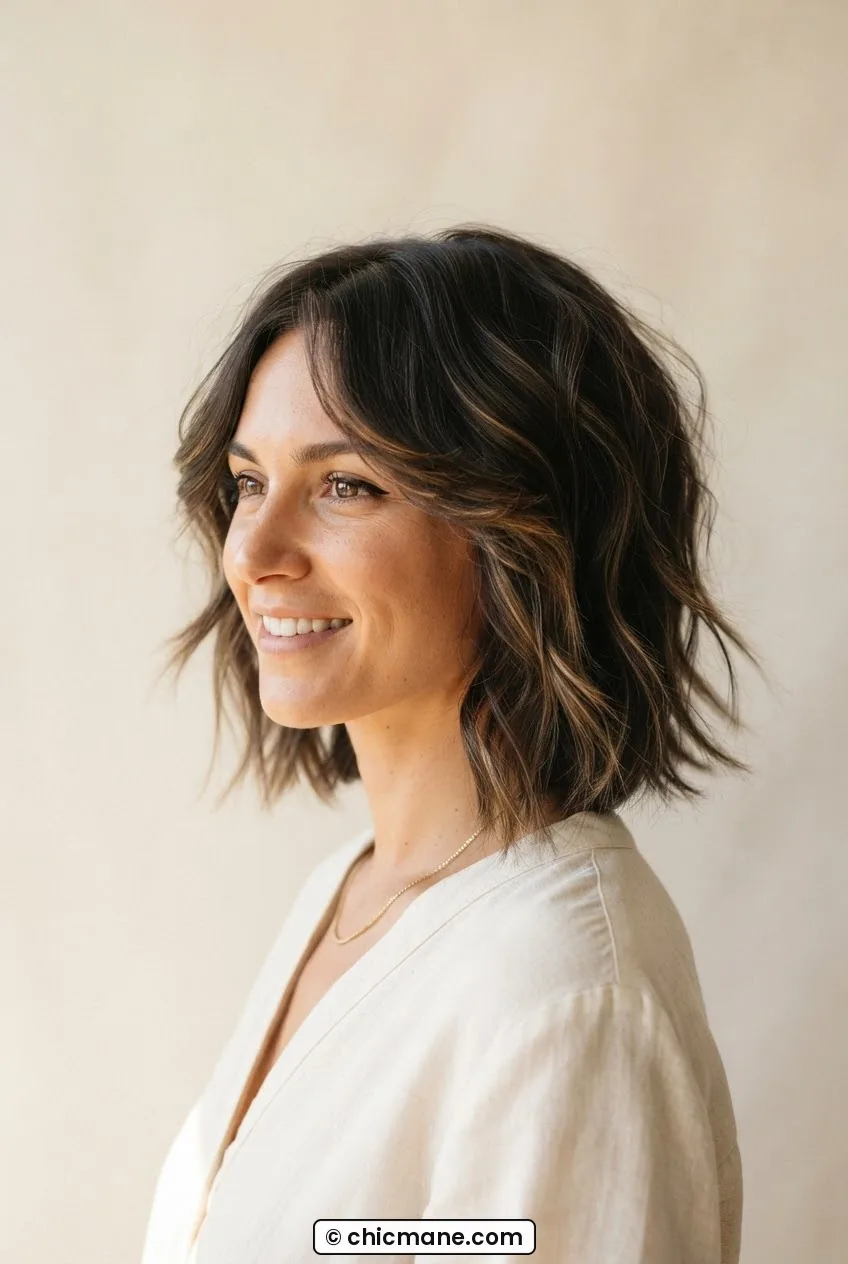
My personal pick in this entire post is the layered jaw-length cut. I’ve seen it on every face shape and it’s never once looked wrong. There’s something about that soft, piece-y edge at the jaw that feels modern without trying too hard. If I were booking a salon appointment tomorrow, this is what I’d ask for.
Collarbone
The collarbone band is where most of the haircuts for medium hair conversation actually lives. This is the length where you have real versatility — long enough to put up, short enough to feel intentional, and flattering on the widest range of face shapes. I’ve spent more time in this zone than any other and I have opinions. Many opinions.
6. The Classic Lob
The long bob that never really left. It hits right at or just below the collarbone with minimal layering and a vaguely blunt finish. The lob is the little black dress of haircuts — it works for a job interview, it works at a beach wedding, it works on a Tuesday when you’ve done nothing to it. It air-dries into something respectable, which is frankly miraculous. If you’re trying to figure out the right length for your face, the medium hair length guide I’ve linked here breaks down the collarbone-to-shoulder decision better than I could in a paragraph.

7. The Wolf Cut Lob
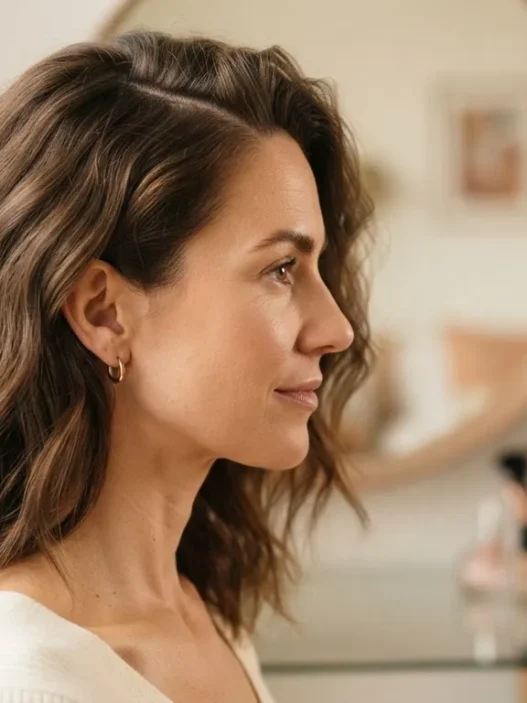
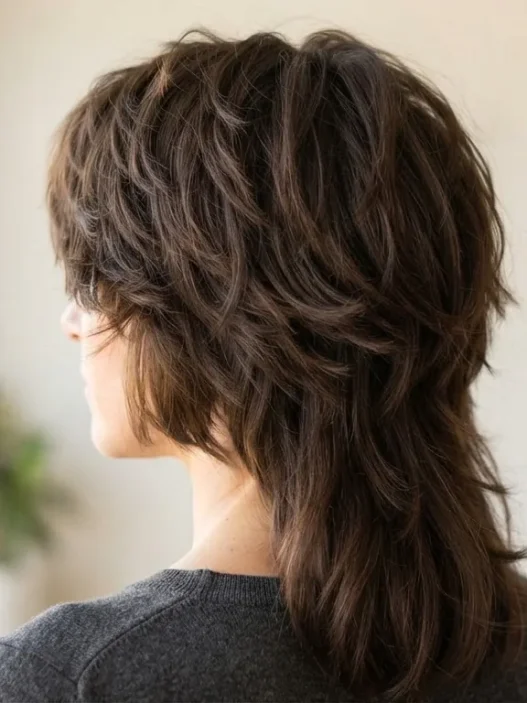
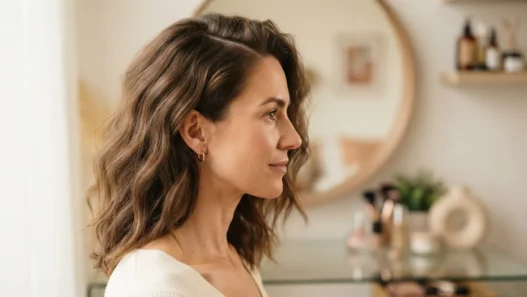
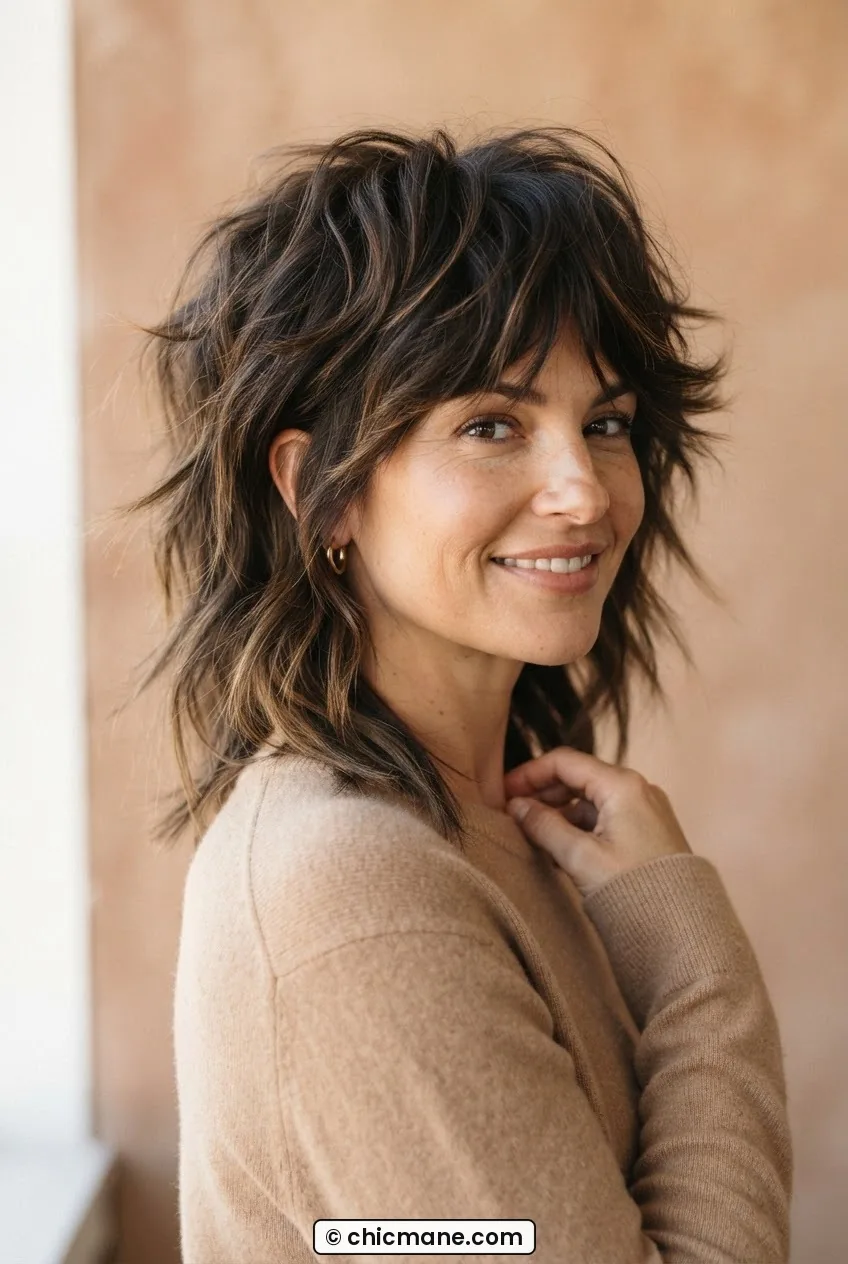
Okay, this one has been having a moment since roughly 2023 and it’s still going strong in 2026. The wolf cut at collarbone length is the love child of a shag and a lob — crown layers are short and choppy, the lengths underneath are longer, the whole thing has this slightly feral energy that looks great on every texture but especially on wavy and curly hair. It’s a commitment to let your stylist go wild with the razor, but the payoff is real. See how she’s wearing it in the image — that crown volume is exactly what gives this cut its signature silhouette.

8. The Curtain Bang Collarbone Cut
A collarbone-length cut on its own is great. Add curtain bangs — the long, center-parted fringe that swoops away from the middle — and it becomes something else entirely. The bangs soften the forehead, the length frames the shoulders, and the whole look has this very particular ’70s-meets-now energy that I’m completely here for. It’s also surprisingly low-maintenance once the bangs grow in properly, though the first four weeks of awkward growth are a test of character.

9. The C-Curl Blowout Length
This one is specifically for people who love to style. The cut itself is a straightforward collarbone lob with face-framing layers, but it’s designed to be worn blown out with a round brush — ends flipping out or curving under into that classic C-curl shape. It photographs extraordinarily well and has a polished, done feel that the shaggier cuts in this list don’t aim for. If you work in an environment where you’re presenting a lot, this is the cut. Also works beautifully for half-up styling — if you’re into that, there are genuinely great half-up styles that were basically built for this exact length.

10. The Bixie (Bob-Pixie Hybrid at Collarbone)
Wait, isn’t the bixie shorter? Usually, yes. But when a skilled stylist uses heavy interior layering with a longer base, you can get bixie-esque volume and movement at the collarbone. It’s not a cut you can just walk in and ask for by name — bring a reference photo and have a conversation. The result is high-volume and deliberately messy in a way that somehow looks expensive. Worth every second of the consult.
A Stylist Walks Through the Collarbone Decision
Past the Shoulder
Once you clear the shoulder, you’re technically edging toward long — but there’s a window, roughly from mid-shoulder blade, that still feels very much like medium territory. These cuts have the versatility of longer hair without the full maintenance commitment, and they’re genuinely beautiful to style for events. I’ve pulled together a few favorites here, and if you want to see the full spectrum from crop all the way to waist, there’s a wonderful hairstyles guide from crop to waist that I keep coming back to for reference.
11. The One-Length Mid-Back Cut
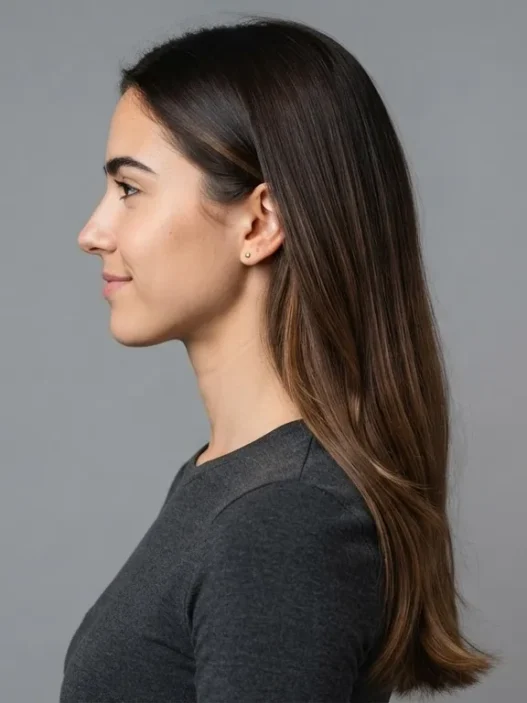
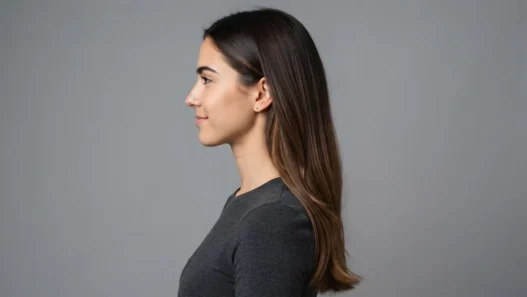
Simple. Clean. One length, no layers, ends trimmed blunt. This sounds boring but it is not boring — on thick hair especially, a solid one-length cut at mid-back has this incredible weight and swing. It also grows beautifully, which is either the goal or a bonus depending on your plans. She’s got hair like this in the photo and the way the light catches the solid, unbroken ends is genuinely striking.

12. Soft Layers Past the Shoulder
This is the most versatile entry on the whole list, honestly. A past-the-shoulder cut with long, soft layers — starting no higher than the chin — gives you movement without sacrificing length, and it works with literally every texture. Straight hair gets a graceful sway. Wavy hair gets definition. Curly hair gets bounce without the pyramid effect. It also takes to layered styling techniques beautifully if you want to read more about the specific styling approaches.
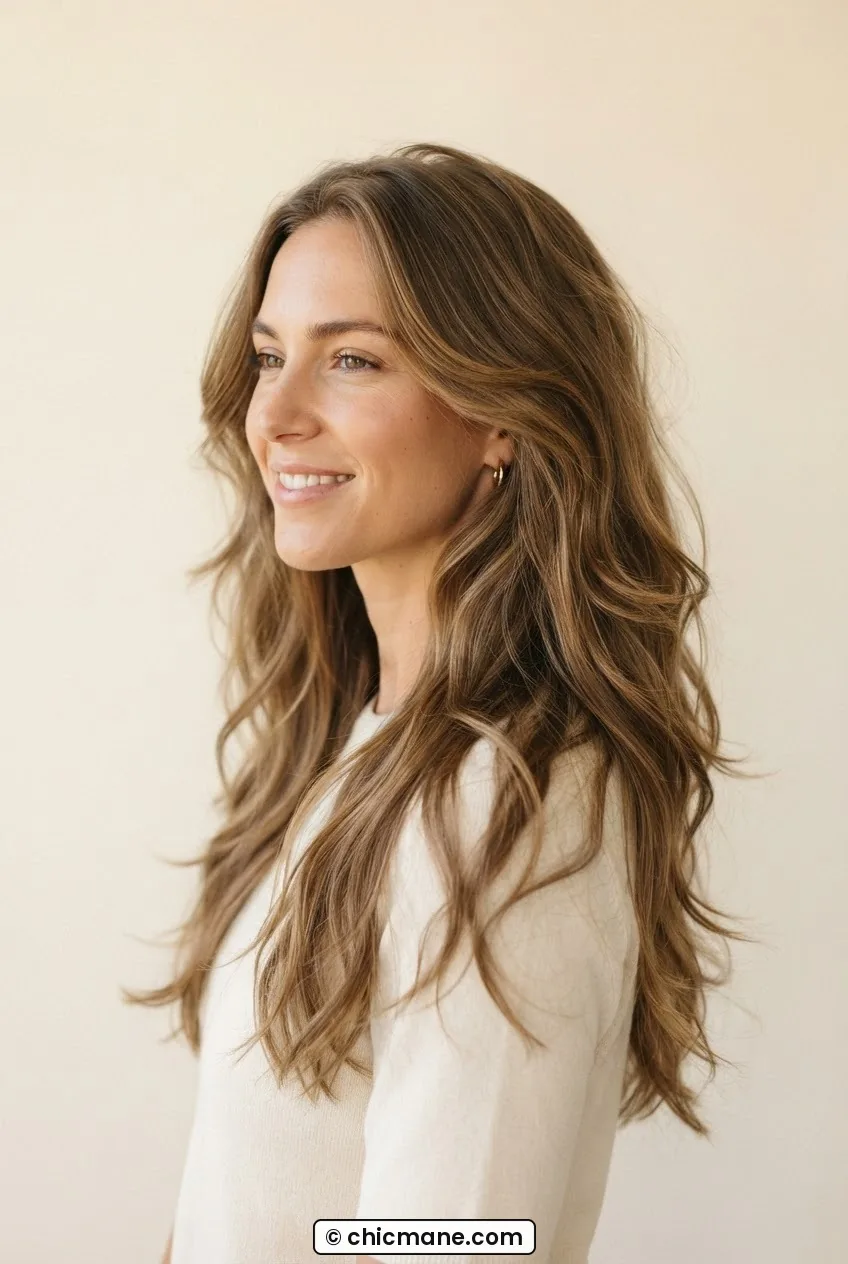
13. The Face-Framing Past-Shoulder Cut
Similar length to #12, but the emphasis is entirely on the shorter pieces at the front — usually cut to about chin or jaw level — that create a dramatic frame for the face while the back stays long. It’s a more dramatic look than the soft layers approach. Some people call these “money pieces” when they’re colored, but the cut itself is its own statement even without color. Face-framing layers guide is genuinely useful here if you’re trying to understand what to ask for at the salon.

14. The Quick-Style Past-Shoulder Cut
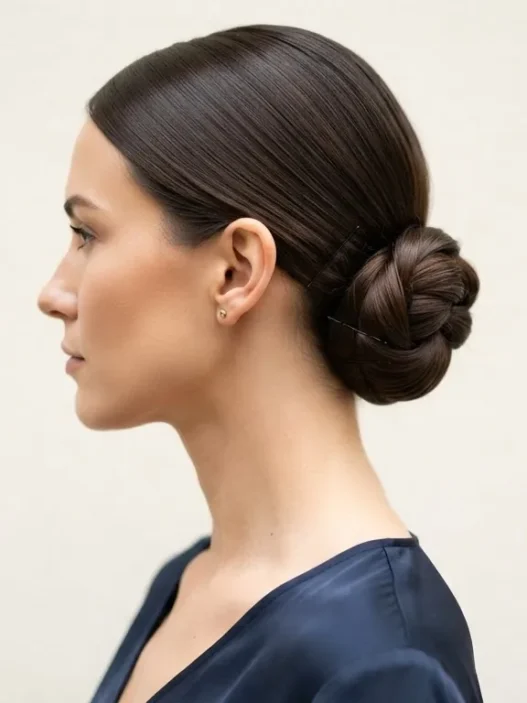
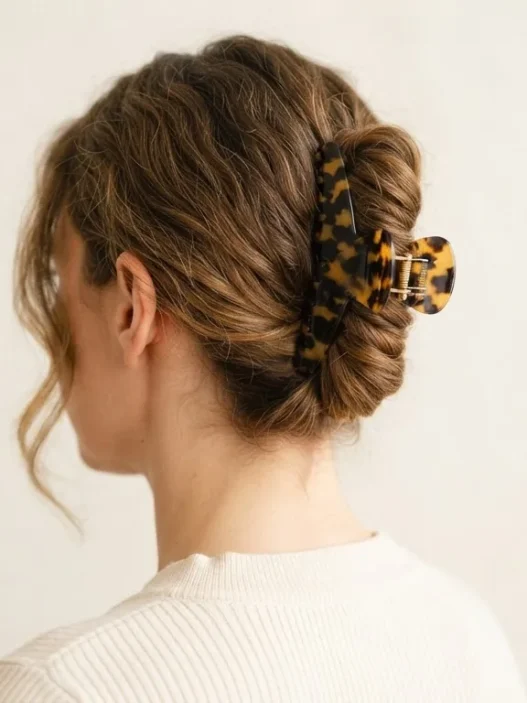
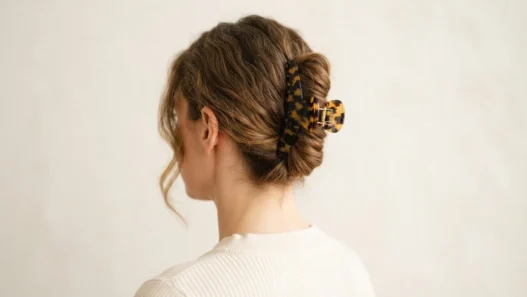
This one is for the people who genuinely do not have time. A past-the-shoulder cut with enough length to twist into a bun, enough layers to look intentional when it air-dries, and an easy-care shape that doesn’t require a blowout to look presentable. For days when you have exactly five minutes, there’s no better argument for this length — and if you want inspiration, there are some clever five-minute open hairstyle options that work perfectly at this length.

One more thing before you go book that appointment: moving between these bands doesn’t have to be traumatic. The secret to length changes without regret is going one band at a time and living there for at least three months before deciding it’s wrong for you. So many people go from past-shoulder to pixie in one appointment and then blame the cut when really they just needed an adjustment period. If you’re nervous about going shorter, start at the collarbone. Live there. See how you feel. The chin-to-jaw band will still be there when you’re ready. And if you decide you love the length you’re at, that’s not a failure to commit — it’s just knowing yourself.
Questions I Get About This
How do I know which medium hair length will suit my face shape?
The most reliable test is to clip your hair up to different levels and look in the mirror — it’s basically a free preview. Generally, round faces do beautifully with chin-to-jaw lengths that create vertical lines, while square faces soften with collarbone-length cuts and movement. Oval faces are genuinely lucky and can wear almost any band.
Do I need to use heat every day to make medium haircuts look good?
Not at all — and I’d actually argue some of the best medium haircuts are specifically designed to air-dry well. The shaggy crop, the layered jaw cut, and the quick-style past-shoulder cut in this list all lean heavily into natural texture. A good styling product applied to damp hair does most of the work.
How often do medium haircuts need to be trimmed?
It depends heavily on the cut. Blunt cuts like the classic lob and the one-length mid-back cut show split ends more quickly and really do want a trim every 6–8 weeks to stay sharp. Layered and shaggy cuts are more forgiving — you can often stretch to 10–12 weeks before it starts looking raggedy rather than intentionally undone.
Can medium haircuts work for very thick hair?
Thick hair is honestly ideal for most of the cuts in the collarbone and past-the-shoulder bands — the weight and density create incredible movement. The one thing to watch is that blunt one-length cuts can feel heavy and hot in summer. Interior thinning from a good stylist makes a massive difference without changing the outward shape at all.
Wherever you land on this list, trust that medium hair is having a full moment in 2026 — not because it’s trendy but because people are finally appreciating how much it actually does. Good luck at the salon. Bring photos. Be specific. And if you come back with something you love, that’s the whole point.