






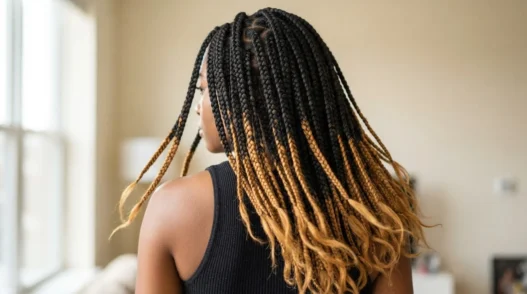
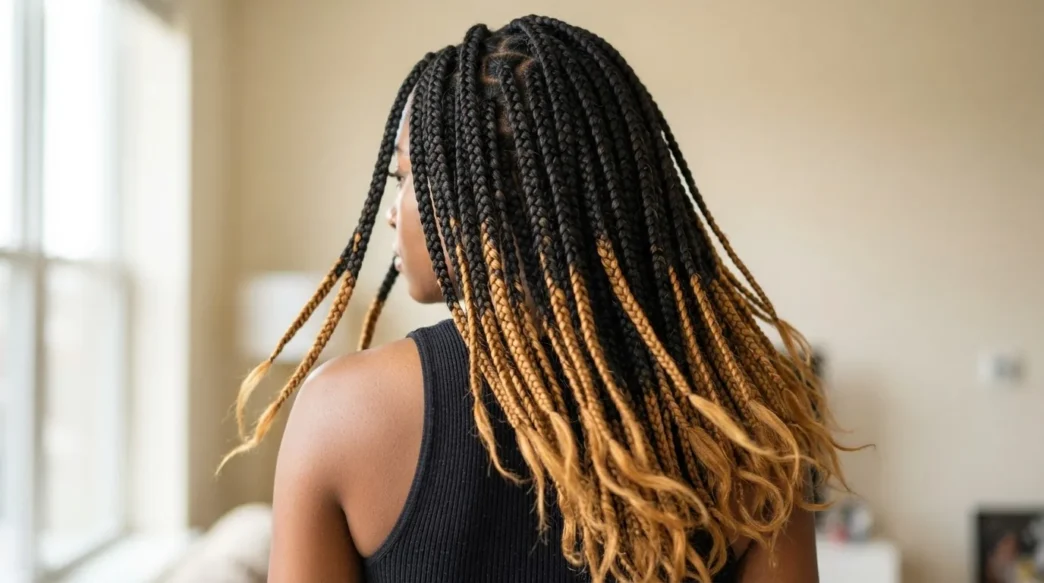
I saw her on the subway. Long, thick box braids — the kind that swung when she walked and caught the light like rope dipped in silk. I stood there holding my coffee, genuinely unable to look away. That was 2024. For the next two years I spent a humiliating amount of money, time, and emotional energy trying to own that feeling.
This is me being honest about it.
What I Was Chasing
It wasn’t just the look. It was the ease the look implied. Women who wear long protective braids seem — and I know this is a projection — unbothered. Like their hair is sorted for the next eight weeks and they can spend their mental energy on literally anything else. I have fine, slippery hair that refuses to hold a style past noon, so that fantasy hit hard.
What I specifically wanted: medium knotless box braids, dark brown fading to a warm honey at the ends, hitting somewhere between shoulder and mid-back. Long enough to feel dramatic. Short enough to not be a hazard. I pinned maybe forty reference photos. I sent them to friends. I sent them, unprompted, to my sister.
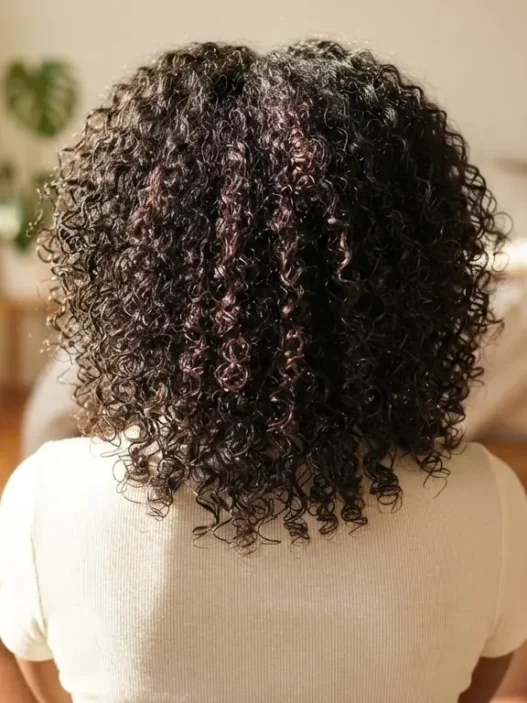
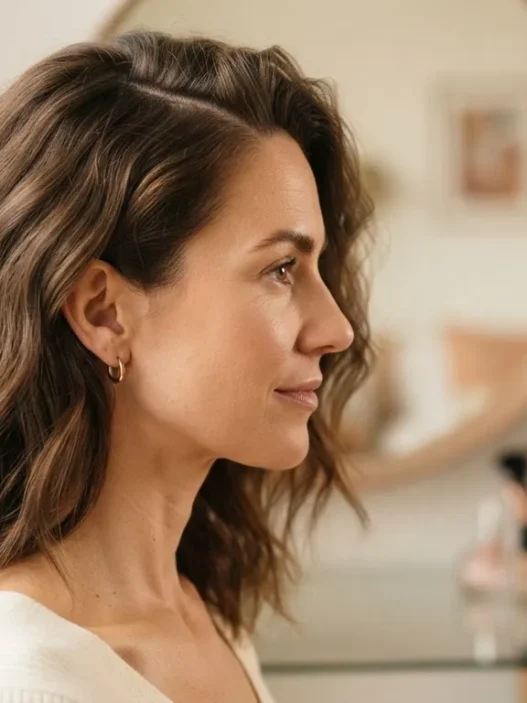
The woman in the photo above — look at the weight in those braids, how they fall and settle against her shoulders. That density, that cleanness at the roots. That is exactly the image I carried around in my head for two years. It looks that effortless because enormous skill went into it. I did not know that yet.
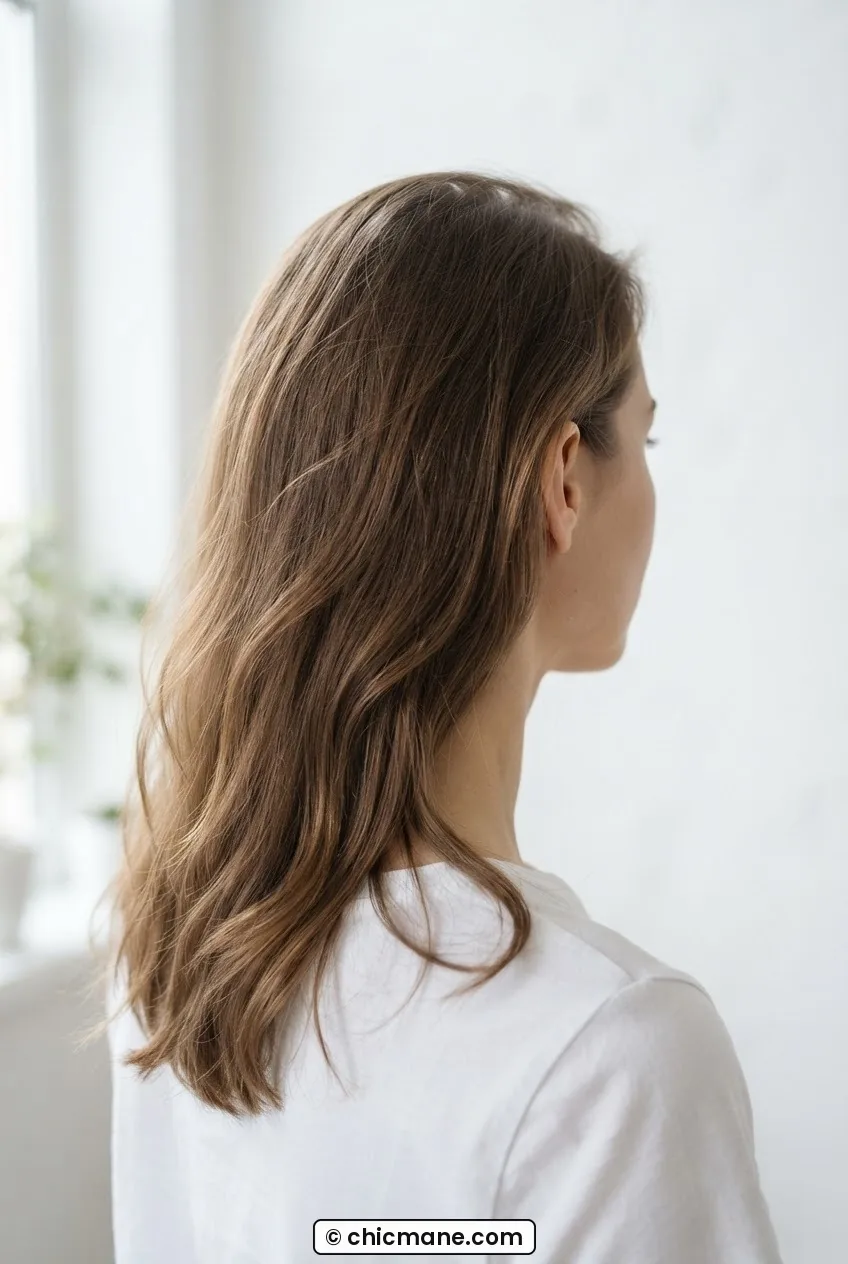
There’s a particular type of hair envy that isn’t really about vanity. It’s about wanting a version of yourself that seems more together. Braids, for me, represented that version. And I think that’s worth naming, because the chase was never really about the hair.
The Money and the Hours
Let me just say the number: somewhere around $1,400 over two years, not counting the braiding hair I bought and returned, and not counting the cab rides to salons that were nowhere near me but had the specific reviews I trusted. Here’s the rough breakdown from memory:
- First attempt — $210, a good salon, a perfectly competent result that I hated because my fine hair kept pulling through at the roots within three weeks.
- Second attempt — $185, a different stylist, tighter tension, a tension headache for four days and edges that were genuinely never the same afterward.
- Third attempt — $320, a specialist who did extraordinary work. The braids looked incredible for exactly five weeks. Then my scalp staged a full revolt.
- Various conditioning treatments and edge-repair products in between — I stopped counting at $90.
- One very expensive appointment to fix what the second attempt had done to my hairline — $230, and worth every penny, but still.
And the time. Each installation was between five and nine hours. I brought snacks. I watched entire seasons of things. I stood up after those appointments feeling like I’d run a long race and finished in a place I didn’t expect.
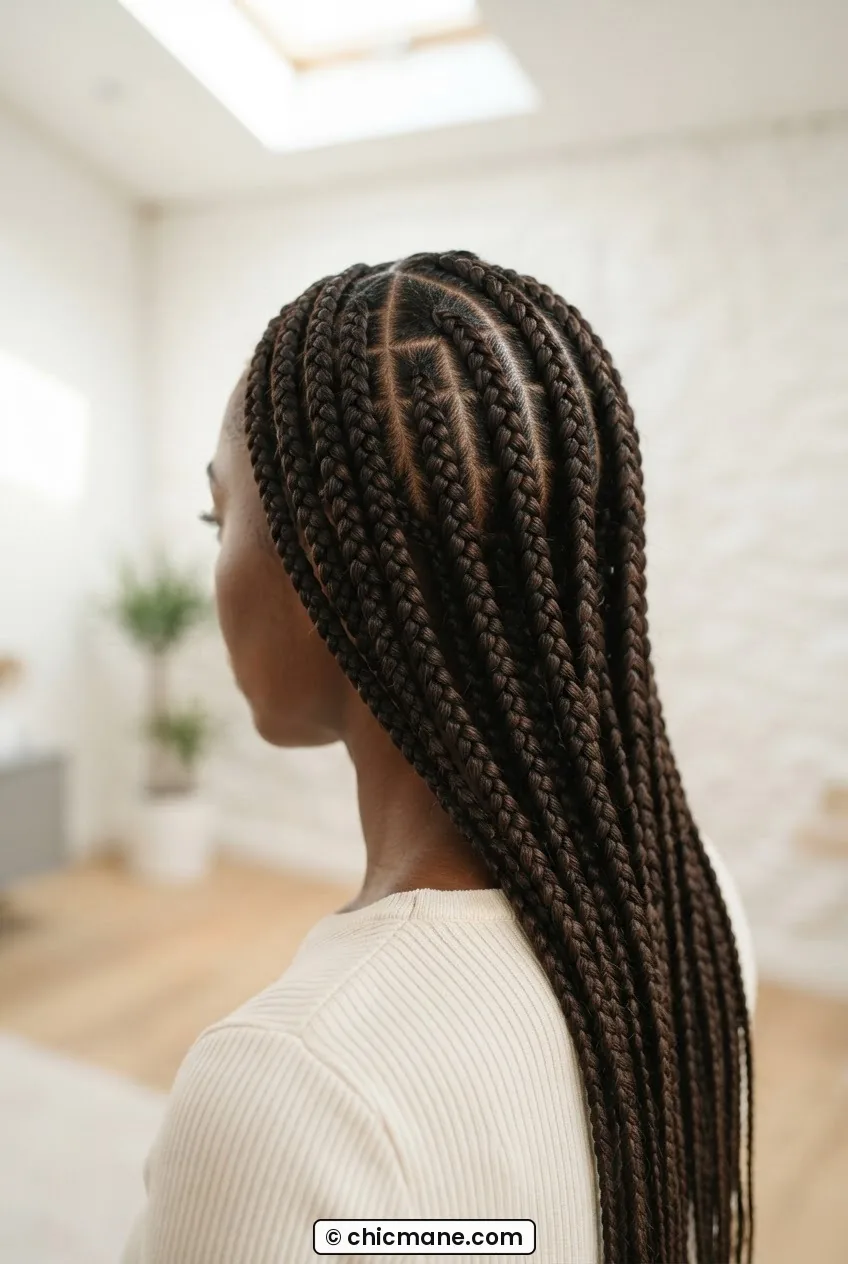
I also spent significant time researching. Reading about knotless braid care, watching tutorials, learning the difference between knotless and traditional box braids, understanding why my hair texture was making this genuinely difficult rather than just user error. That research was actually useful — eventually. At the time it mostly just showed me how much I didn’t know.
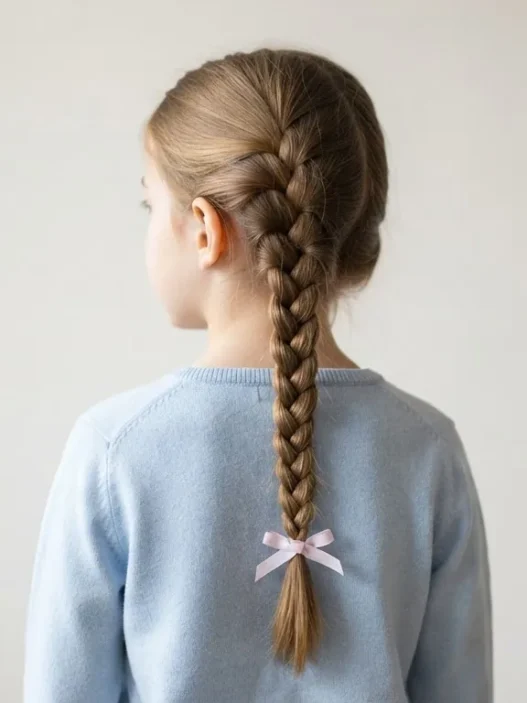
And honestly? The braids were often beautiful. I’m not writing this to say it was all a mistake or that braids don’t work. They work — spectacularly — for many people. I’ve seen some extraordinary styles on the kids braided hairstyles end of the spectrum that are genuinely breathtaking, done with care and appropriate tension for delicate scalps. The art form is real. The issue was the mismatch between the art and my specific hair.
The Appointment That Ended It
The stylist who finally told me the truth was a woman named Diane. I found her through a recommendation from a friend who has the exact kind of thick, coily hair that takes braided styles beautifully and keeps them for months. Diane does not have a fancy salon. She has a chair, good lighting, and zero patience for wasting your time or hers.
She looked at my hair for about forty-five seconds.
“You keep coming back because you love the look,” she said. Not a question.
“Yes.”
“Your hair is going to keep slipping. You’re going to keep fighting your edges. The tension required to hold these for any length of time is more than your scalp wants to handle, and you already told me about appointment two.”
She wasn’t unkind. She was just precise. She said she could do it again — she’s that good — but that she wouldn’t feel right taking my money knowing what she knew. She recommended I look into styles that gave me some of the braided aesthetic with a fraction of the commitment. She mentioned half-up styles with braided sections. She mentioned loose protective options. She mentioned that wanting something and being suited to it are sometimes just different things, and that’s fine.
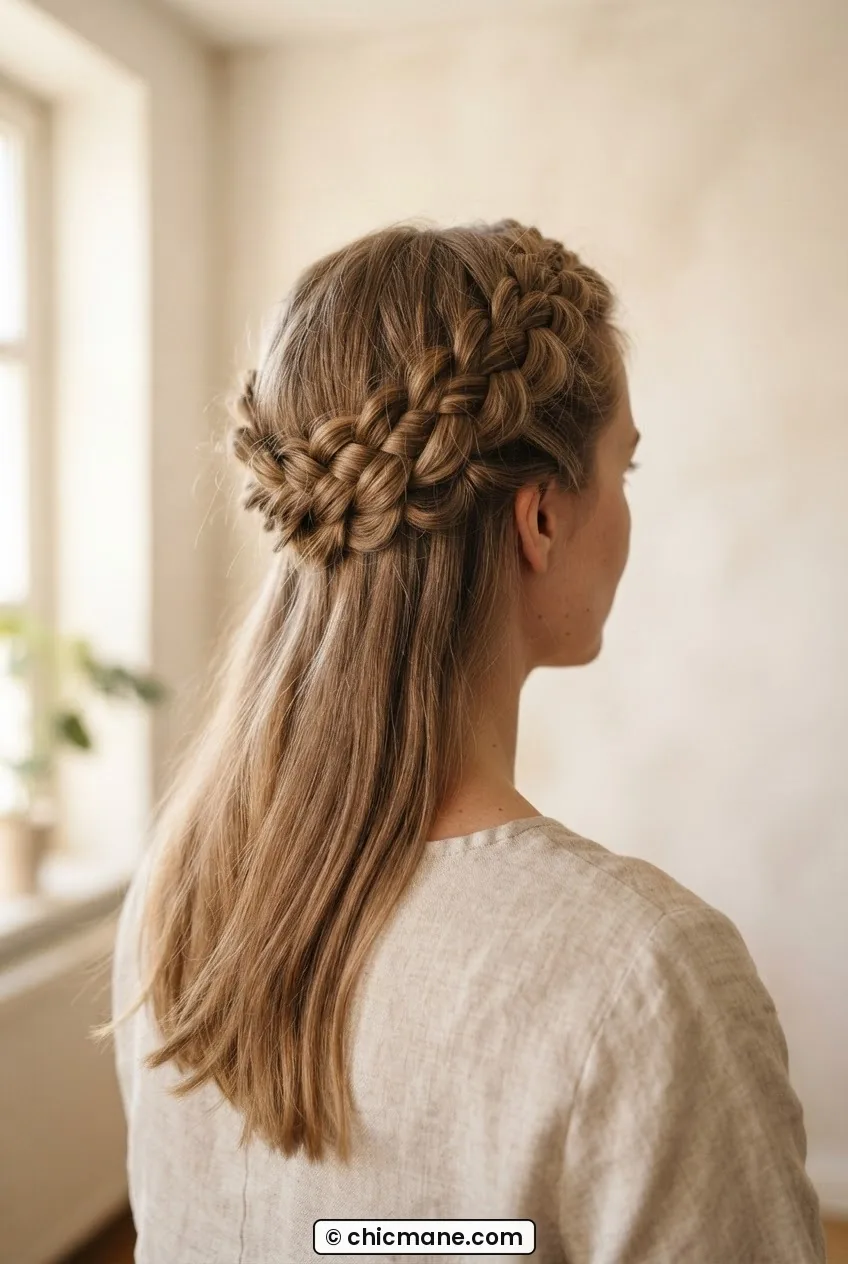
I sat in her chair for maybe twenty minutes. Paid her a consultation fee she tried to waive. Drove home and cried a little in the car — not dramatically, just the quiet kind of letting-go cry. And that was the end of the chase.
Wanting something and being suited to it are sometimes just different things, and that’s fine.
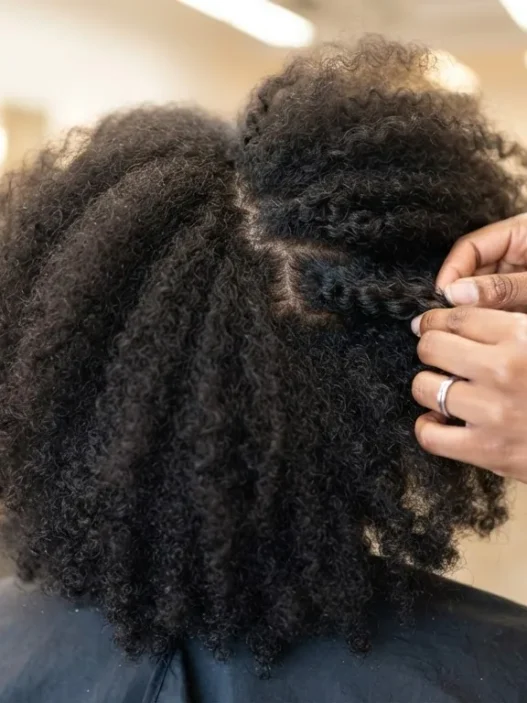
A Stylist Explains What She Looks For
What I Do Instead
Here’s the concrete part I promised.
I redirected everything — the research energy, the appointment time, the budget — into actually understanding what my fine hair can do well, instead of punishing it for what it can’t. And it turns out the answer is quite a lot, once I stopped approaching every styling session as a disappointment waiting to happen.
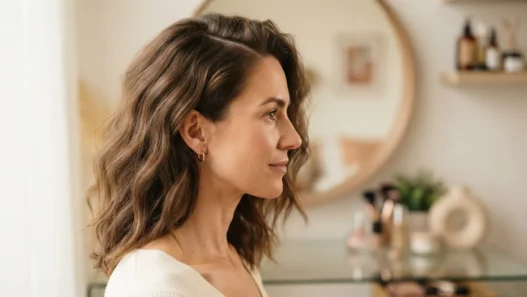
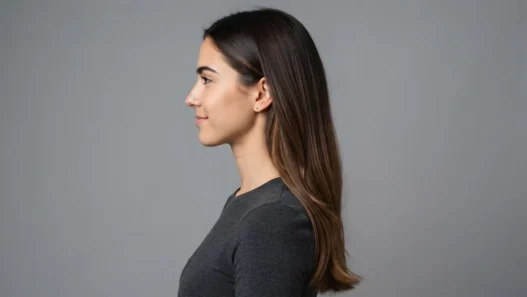
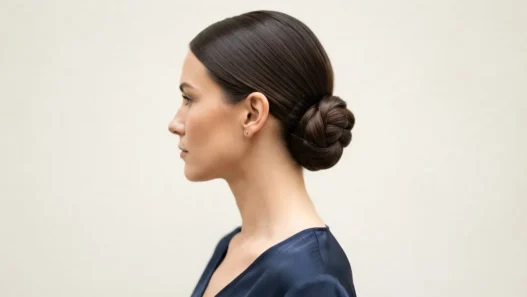
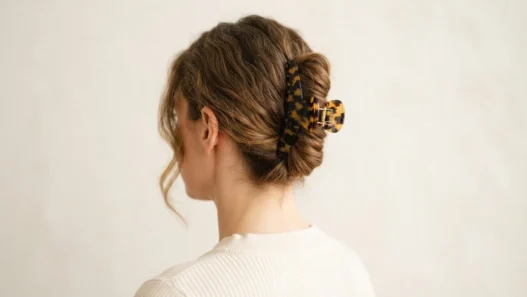
The biggest shift was accepting that quick is not the enemy. I used to see braided styles as the solution to my hair because they promised weeks of zero effort. But I was spending a full Saturday and $200+ to buy that convenience, and it still wasn’t working. Now I keep a folder of five-minute open hairstyles that actually suit my texture — and I rotate through them without the guilt spiral of feeling like I compromised on something.
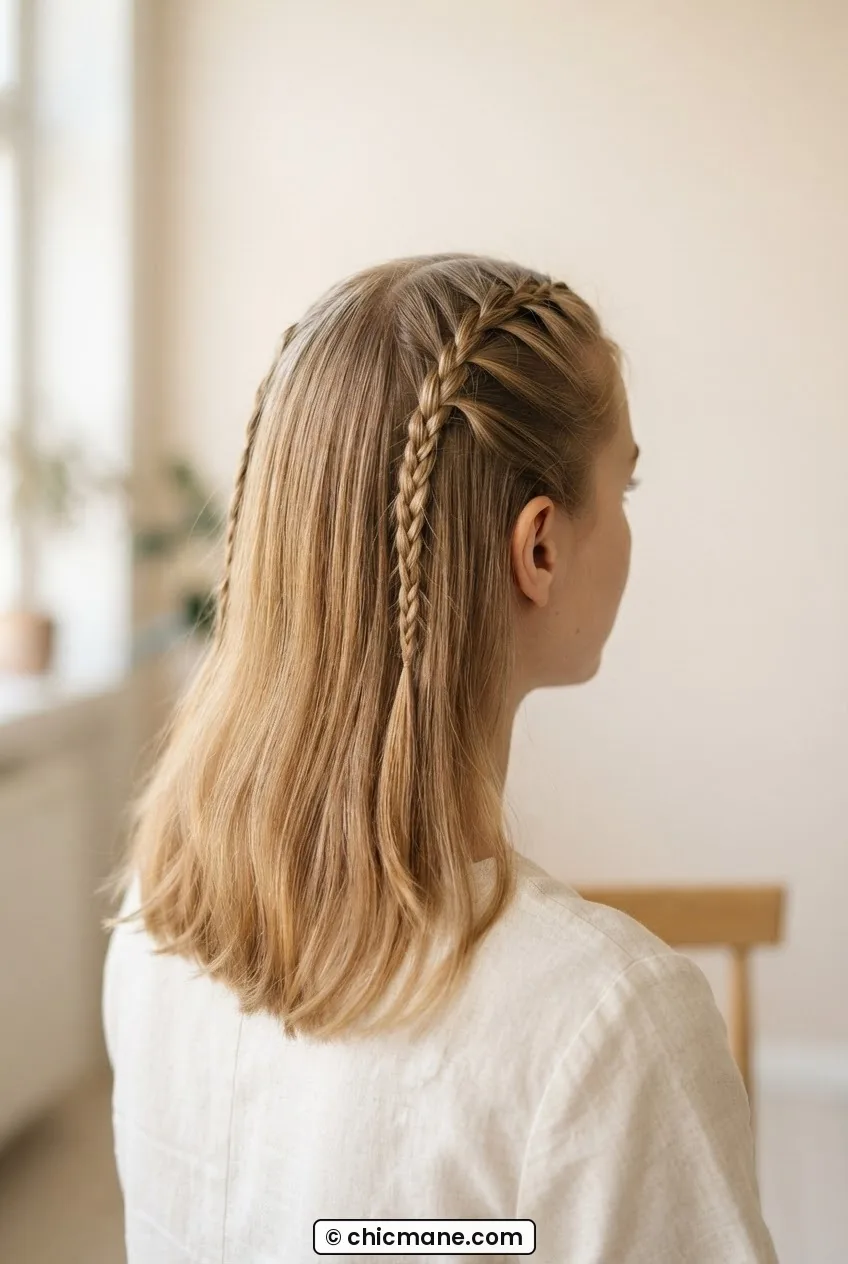
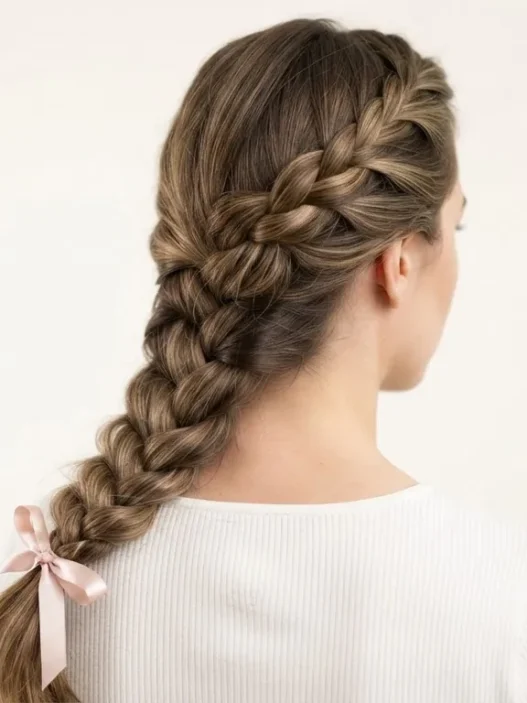
I’ve also fallen hard for half-up styles. A braided crown section with the rest loose? That I can do, and my hair holds it because the braid is small and the tension is minimal. If you’re in a similar situation — fine hair, braid-curious, scalp that protests — the half-up styles category is genuinely where I’d start. Low commitment, real payoff.
I’ll also say this, and it might be the most unpopular opinion in this piece: I think a lot of us pursue high-commitment styles not because we love the style itself, but because we associate it with a personality or an ease we want to have. The fix isn’t a different style. It’s deciding you’re already that person and working out from there. Which sounds like a therapy session, and maybe it is. But it also saved me several hundred dollars a year, so.
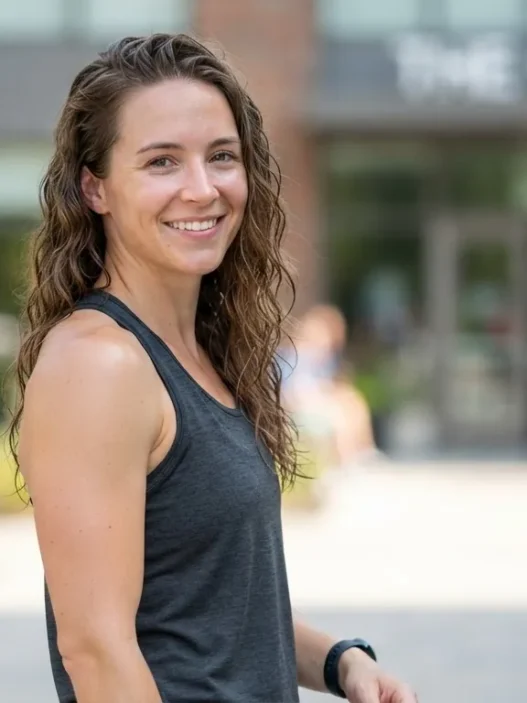
For days when I want some braided texture in my life, I do a simple two-strand twist on the front sections and pin them back. Takes eight minutes. Holds reasonably well with a light-hold cream. My scalp doesn’t notice. Looking through hairstyles from crop to waist gave me a better sense of what actually works at my length rather than always styling toward a length I don’t have yet.
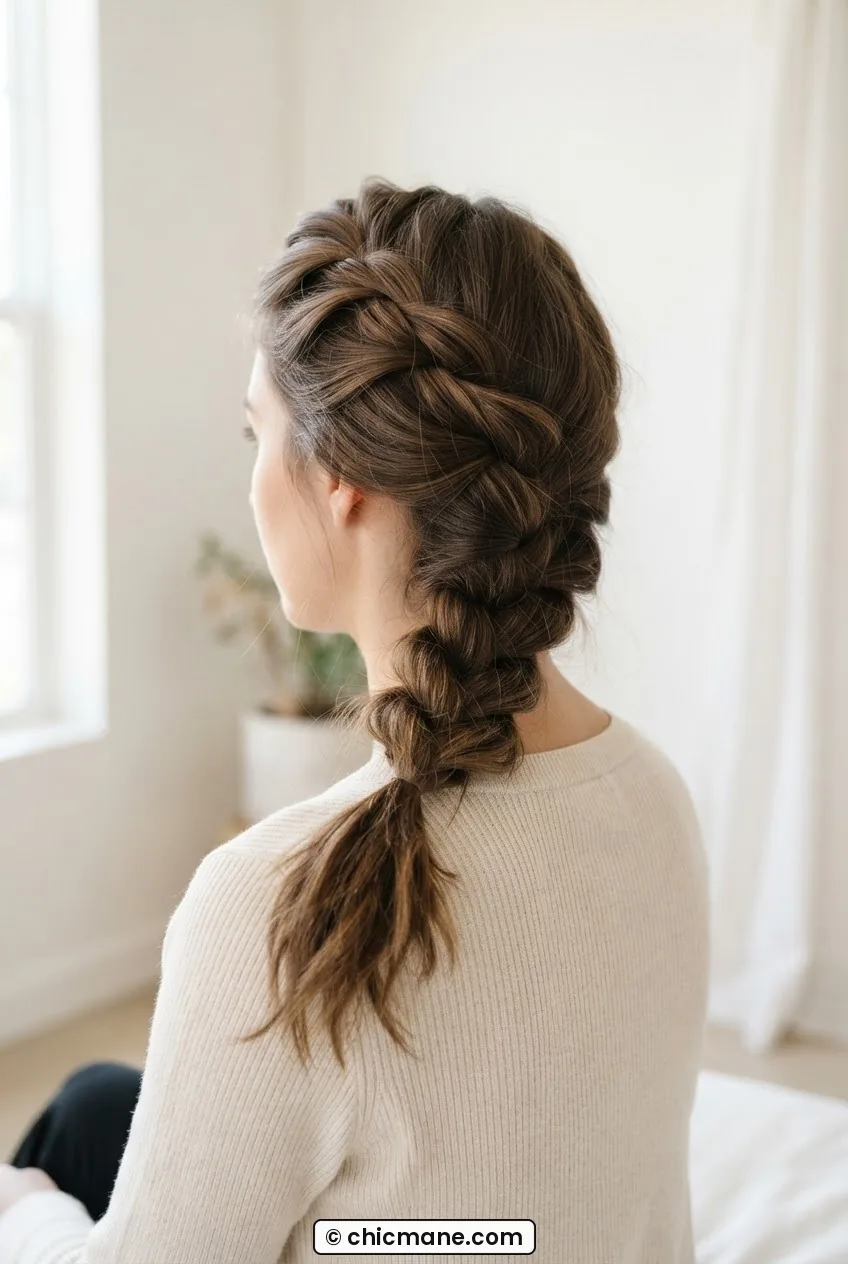
One more thing I’ve found useful: paying attention to trends not as things to chase but as things to borrow from. The braided styles for fine hair space has expanded a lot — there are more options now that account for different hair types than there were even a few years ago. Same with learning from the softball hairstyle revival, which brought back a lot of practical braided options that work on less-dense hair because they were designed for athletes who needed secure but comfortable styles. Utility-forward braiding is genuinely different from purely aesthetic braiding, and it’s worth knowing the difference.
Questions I Get About This
Do I regret trying box braids if my hair wasn’t ideal for them?
Not really. I learned a lot about my hair texture, about what good installation actually feels like, and about the difference between styles that suit me and styles I admire. That’s worth something. I just wish I’d talked to someone like Diane earlier and saved myself two unnecessary appointments.
Can fine hair wear any braided style at all?
Yes — but the sweet spot is smaller braided sections integrated into a larger style, rather than full-head installations. Think braided crown pieces, loose French braids, small accent braids alongside open hair. The key is keeping tension light, which is easier when the braid isn’t load-bearing the way a box braid is. A skilled stylist can work with fine hair; just be upfront about your texture during consultation, not after they’ve started.
Is it worth going to a specialist versus a general stylist for braids?
100% yes, especially if you have any texture complications or scalp sensitivities. The price difference is real, but so is the skill difference. My second appointment — the one that damaged my edges — was with someone technically competent but not a braid specialist. The extra cost of a specialist is almost always cheaper than fixing what a less experienced installation can do. And good specialists, like Diane, will actually tell you if a style isn’t right for your hair rather than taking your money anyway.
How do I know what braided style actually suits my hair type?
Start with a strand assessment — either ask a specialist to do it, or look up hair porosity and texture at home. Fine, low-porosity hair and coarse, high-porosity hair both braid but behave completely differently under tension and with added hair. Knowing where you sit on those axes before you book anything will save you at least one bad appointment.
If you’ve chased a look like this and hit the same wall I did — I see you. The wanting isn’t the problem. It just sometimes needs redirecting. And redirecting, it turns out, can lead somewhere really good.