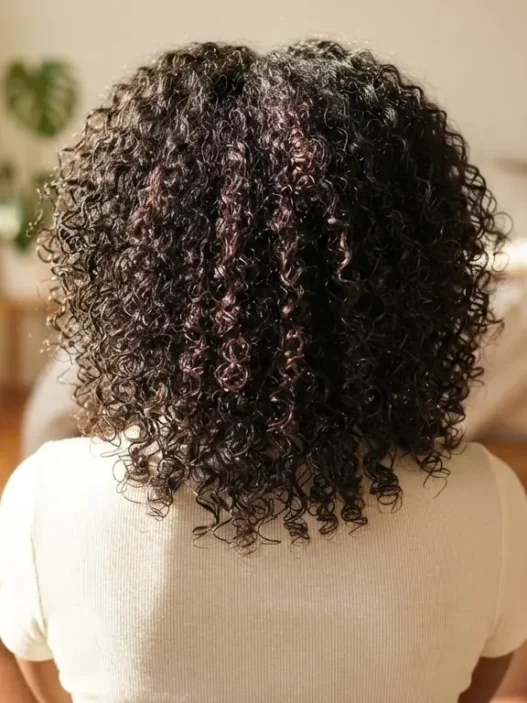







Someone slid into my DMs last week and asked, essentially: “Which braided hairstyles actually work for kids, and which ones are just Pinterest lies?” I loved the question so much I had to sit with it for a few days before I answered. Because the honest truth is — I have opinions. Strong ones. And I wanted to get them right.
The question, stated plainly: what are the best kids braided hairstyles for real life — not just for photos that get 40,000 saves?
What’s Covered Here — Jump Ahead If You Need To
The Short Answer
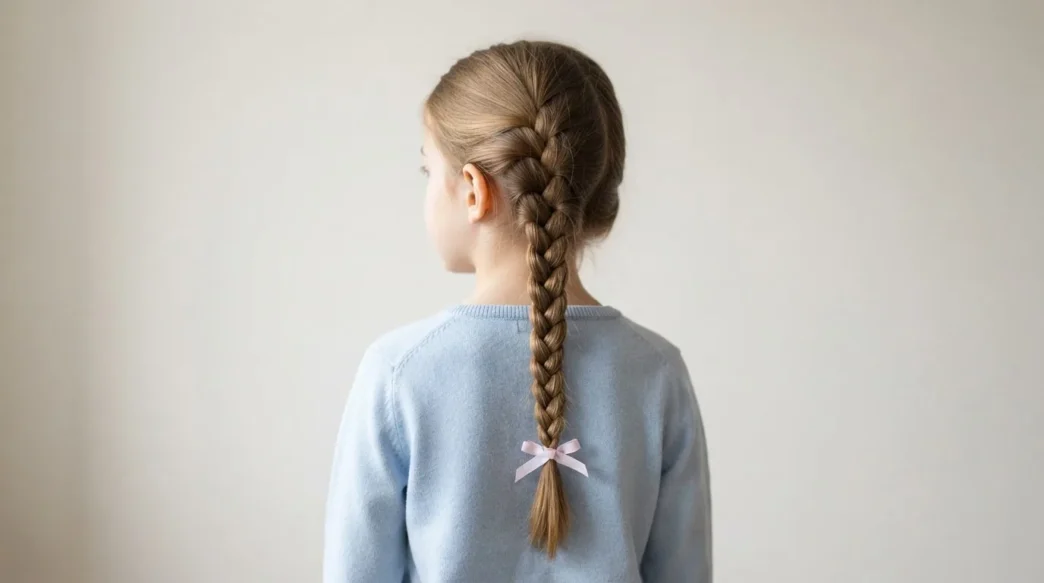
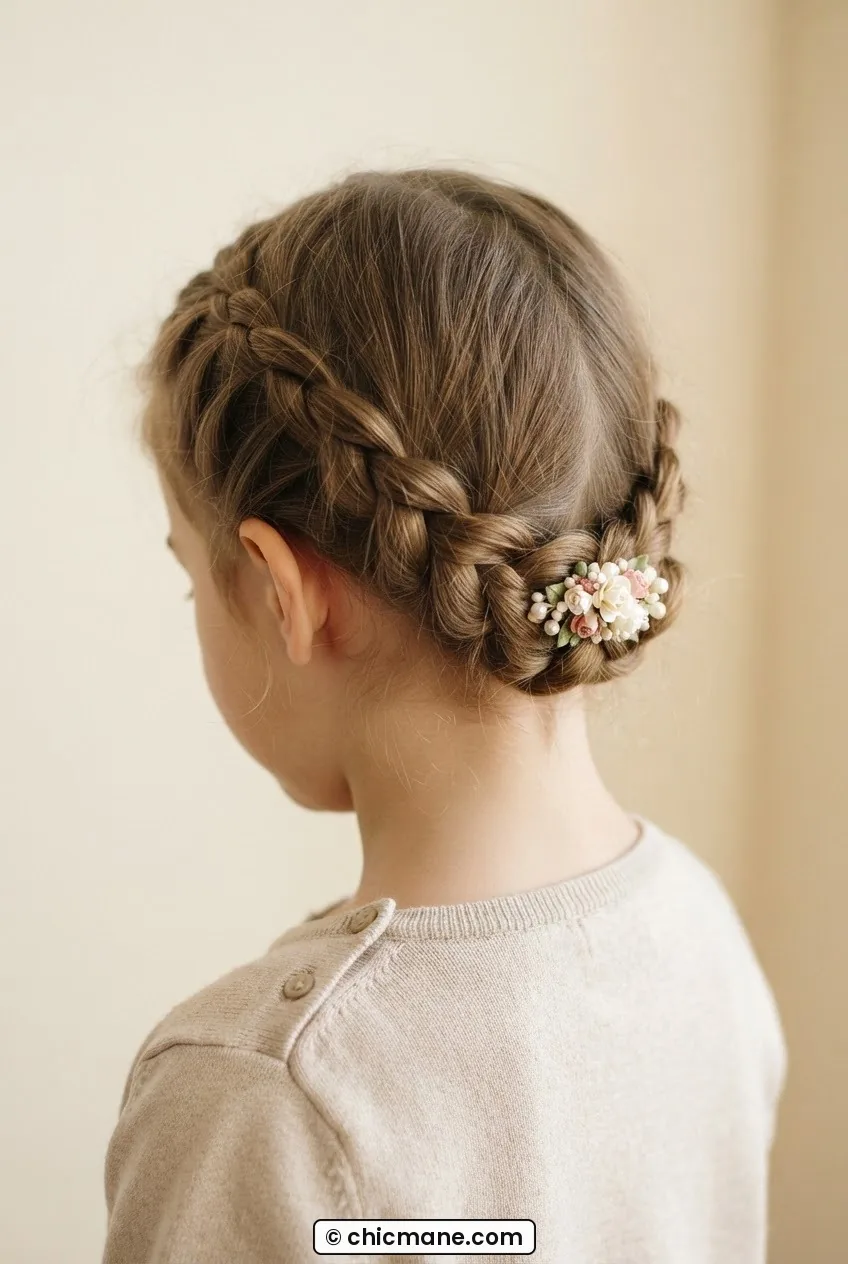
Three braids beat a hundred. A simple three-strand plait down the back, two Dutch braids, or a crown braid that starts at the ear and pins at the nape — those are the workhorses. They hold through PE, lunch, wind, and that inexplicable rolling-around-on-the-grass thing kids do. If you only ever learn those three and rotate them, you will never have a bad hair morning again.
If you’re short on time right now, that’s your answer. Go. The rest of this is for when you want to go deeper.
The Longer Answer
Here’s what I think gets lost in the Pinterest scroll: kids braided hairstyles get photographed at their absolute peak — right after the last section is tied off, ribbon perfectly placed, soft baby hairs gelled down. They’re gorgeous in that moment. Then the child wears it for six hours and it looks like they slept in it. Twice.
So when I think about which styles genuinely work, I’m thinking about three things. Hold time. Comfort at the scalp. And how long it realistically takes a not-entirely-cooperative child to sit still for it.
The styles that consistently pass all three tests — in my experience and in the experience of basically every parent I’ve talked to — are:
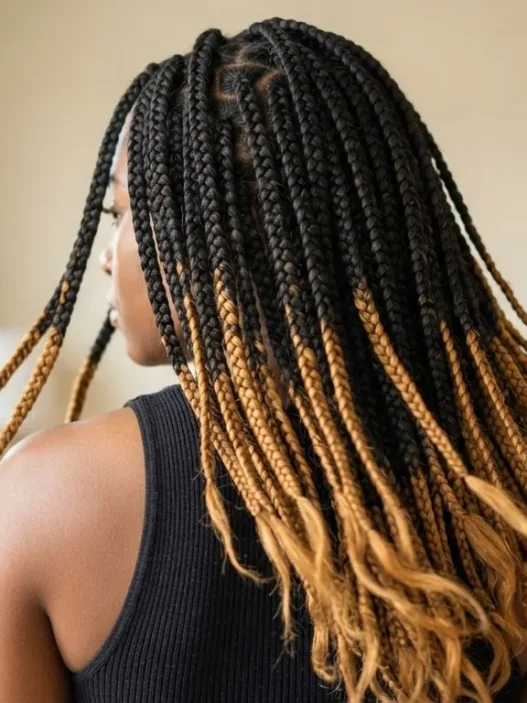
- Box braids (medium-sized): Installed once, worn for weeks. Genuinely protective. The upfront time investment pays off every single morning you don’t have to do hair.
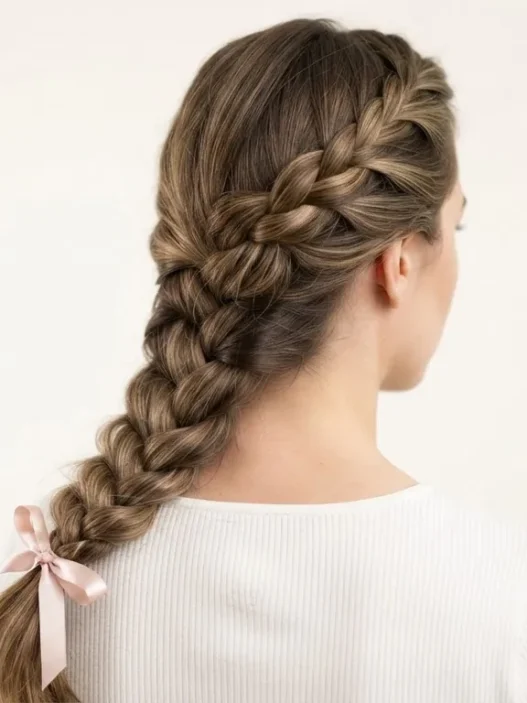
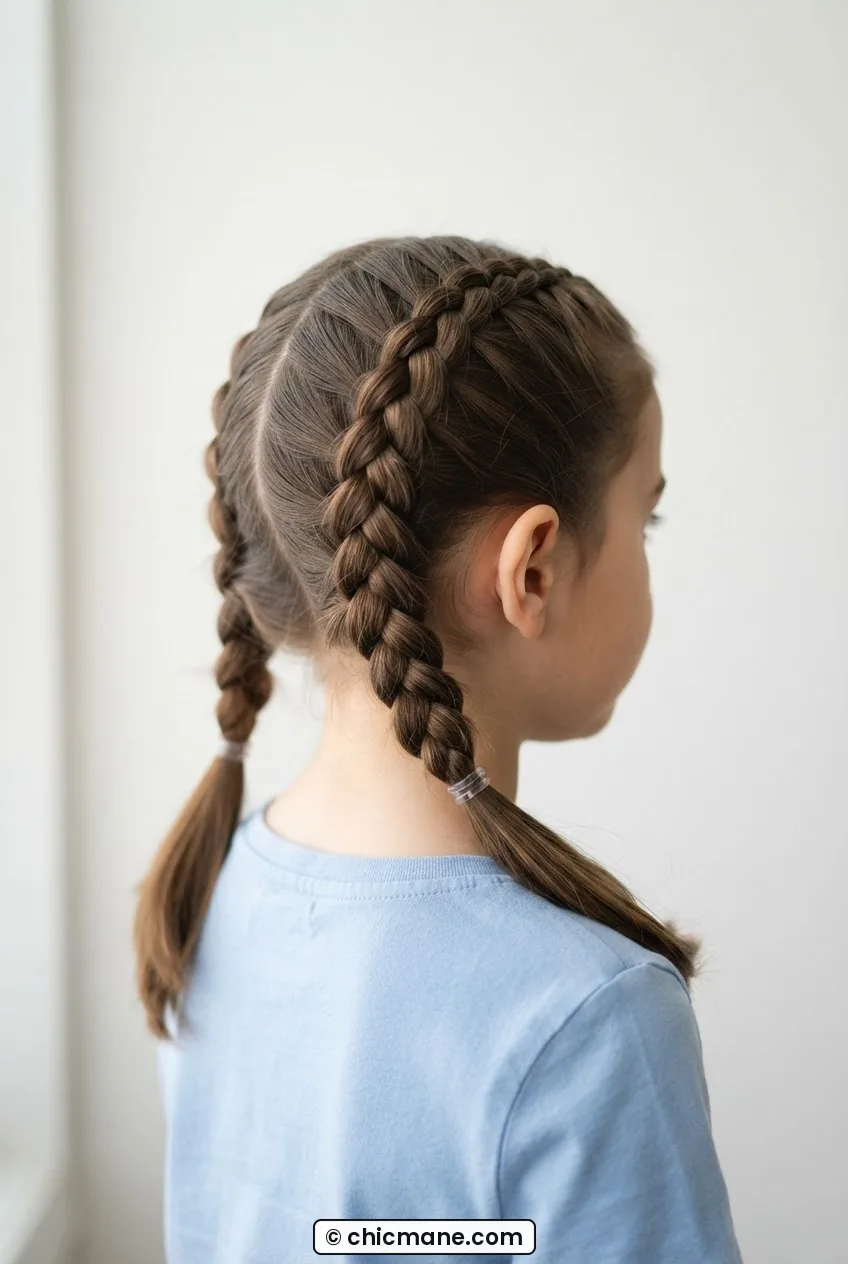
- Dutch braid pigtails: Start at the hairline, incorporate new sections as you go, finish with elastics. These sit flatter than French braids and stay neater longer — especially on fine or silky hair.
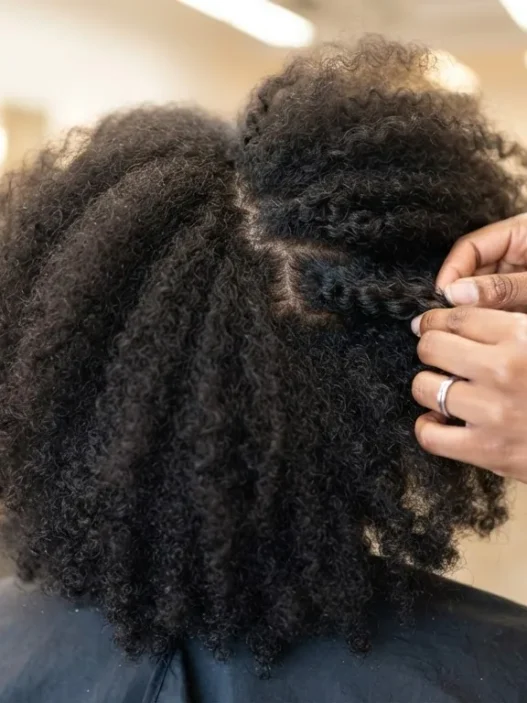
- Feed-in cornrows: Flat to the scalp, virtually no bulk, and they can last a week with a silk bonnet at night. For kids with thicker or coilier hair, these are a game-changer when it comes to hair care for kids and understanding how to properly work with natural hair textures.
- Waterfall braids (for tweens): More visual impact, still surprisingly secure. But I’d only recommend these for kids over 8 or 9 who will actually tolerate the install time.
- Simple rope twists: Two-strand, takes five minutes, looks intentional. Underrated.
Notice what’s not on that list? Anything with multiple tiny braids meeting at a central point and held with a jeweled clip. I know. They’re adorable. But unless you have forty-five minutes and a child who meditates, you’re going to have a bad time.
And here’s my slightly controversial take: I think the obsession with elaborate kids braided hairstyles is actually making parents feel worse, not better. The bar on social media is completely disconnected from a Tuesday morning before school. A neat, well-tensioned single braid is more impressive to me than a fallen-apart six-strand style any day of the week. Simplicity done well beats complexity done badly, every single time.
Braids for Toddlers vs. Tweens — They Are Not the Same Thing
This is where I see the most confusion, honestly. People search for “kids braided hairstyles” as if a two-year-old and an eleven-year-old are the same challenge. They are categorically not.
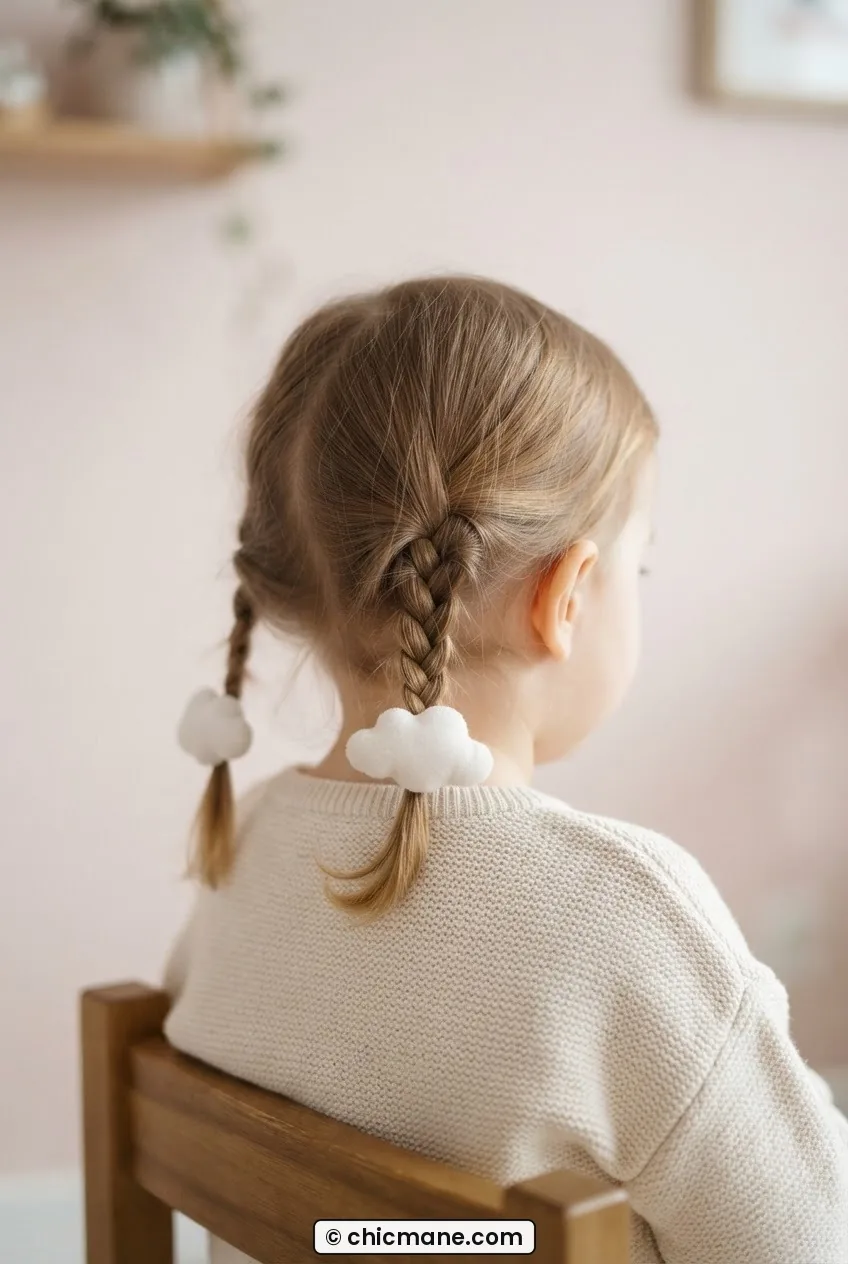
Toddler hair (roughly ages 2–5) is often fine, sometimes sparse at the edges, and attached to a person who will absolutely not sit still. For toddlers, I’d keep things minimal. A single loose plait or two low pigtail braids finished with soft elastics — not tight, never tight — is more than enough. The goal is getting through the morning. You can find some quick inspiration in these five-minute open hairstyle options that adapt well when you’re working with a wriggly toddler. The principles around speed and simplicity translate directly.
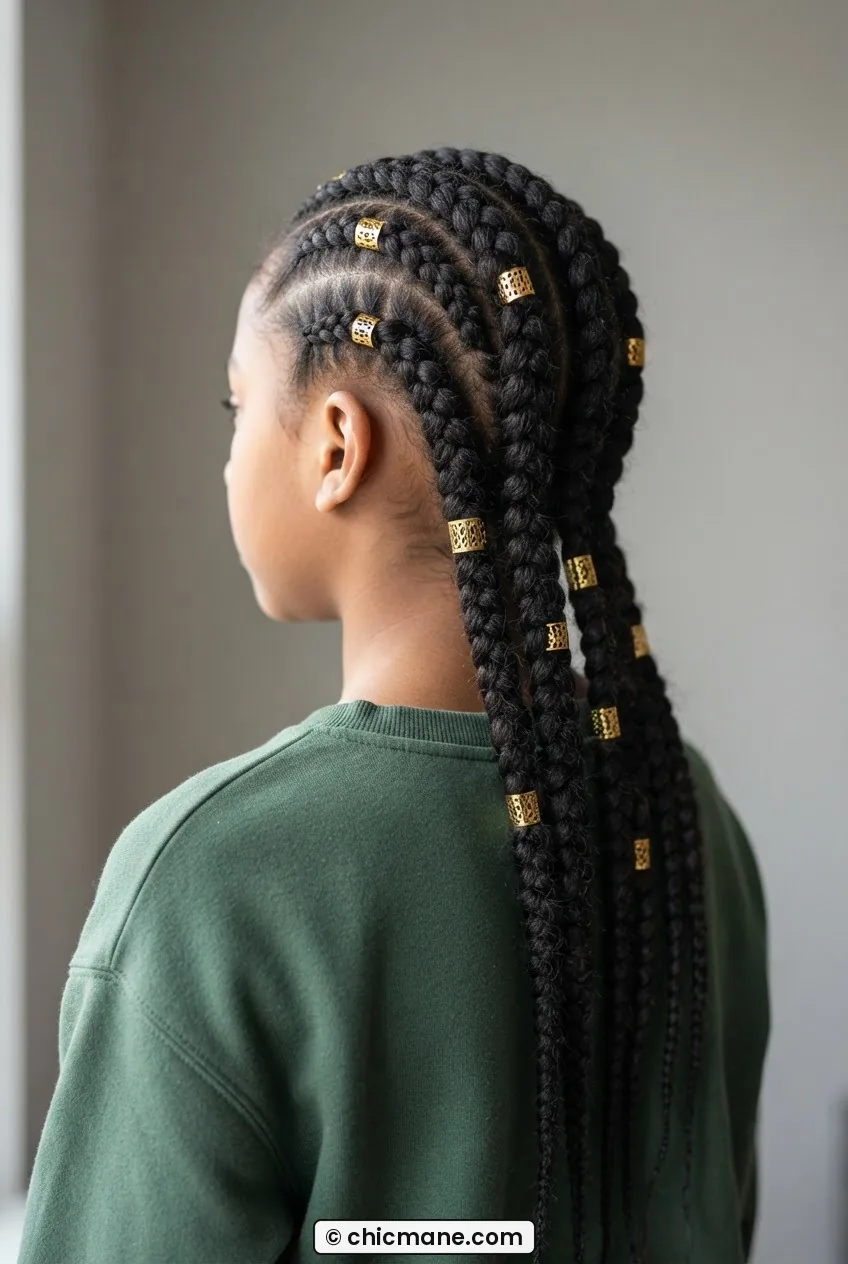
The 6–9 range is where you get a bit more runway. Hair is usually thicker and longer, kids are starting to have opinions about how they look (which, honestly, I love — let them), and they can sit still for maybe 15 minutes if you bribe them correctly. Dutch braids, simple cornrow patterns, and half-up braid styles all work beautifully here.
And then tweens — ages 10, 11, 12 — are a completely different conversation. They want to look cool. They’re looking at social media. They have actual style preferences. For this group, box braids with color extensions, goddess braids, or even a simple fishtail can feel age-appropriate and genuinely exciting. I’d also encourage this age group to start learning to braid their own hair — it builds independence, and frankly it gives you a break. For girls at this stage, thinking about tween girl hairstyle ideas alongside what’s actually doable for their hair type is the smartest move. If you’re also thinking about a haircut to go along with the style, the curl pattern of the hair matters enormously — I always point people toward resources like this hair inspiration guide matched to curl pattern because the texture changes everything about what will and won’t work.
What I Would Do in Your Position
Okay. You’ve got a child, you’ve got mornings, and you want braided styles that actually hold. Here’s exactly what I’d do.
First, I’d pick one style to master completely before adding anything else. Most people dabble in six styles and do all of them mediocre. Commit to Dutch braids for a month. Get them tight and even and fast. Then add a second style. The speed comes from muscle memory, not talent.
Second — and this is the part people skip — prep the hair properly. Detangled, lightly moisturized, and smoothed at the roots. Trying to braid dry, knotted hair is fighting upstream. A light leave-in conditioner and a good detangling brush the night before saves you ten minutes the next morning. The American Academy of Dermatology has solid guidance on detangling children’s hair safely that’s worth a read if you’re dealing with breakage at the hairline.
Third, think about longevity from the start. Styles that sit at the nape or low on the head tend to last longer than high styles — gravity is working against high updos all day. A low crown braid or low pigtail braids will still look respectable at school pickup. A high ponytail braid will have slipped three inches by 10am.
If you want to venture into half-up territory — which I think is a genuinely underrated middle ground for kids — check out the half-up styles section here on the site. Some of those can be adapted beautifully for younger wearers by simply scaling down the sections and keeping the tension gentle.
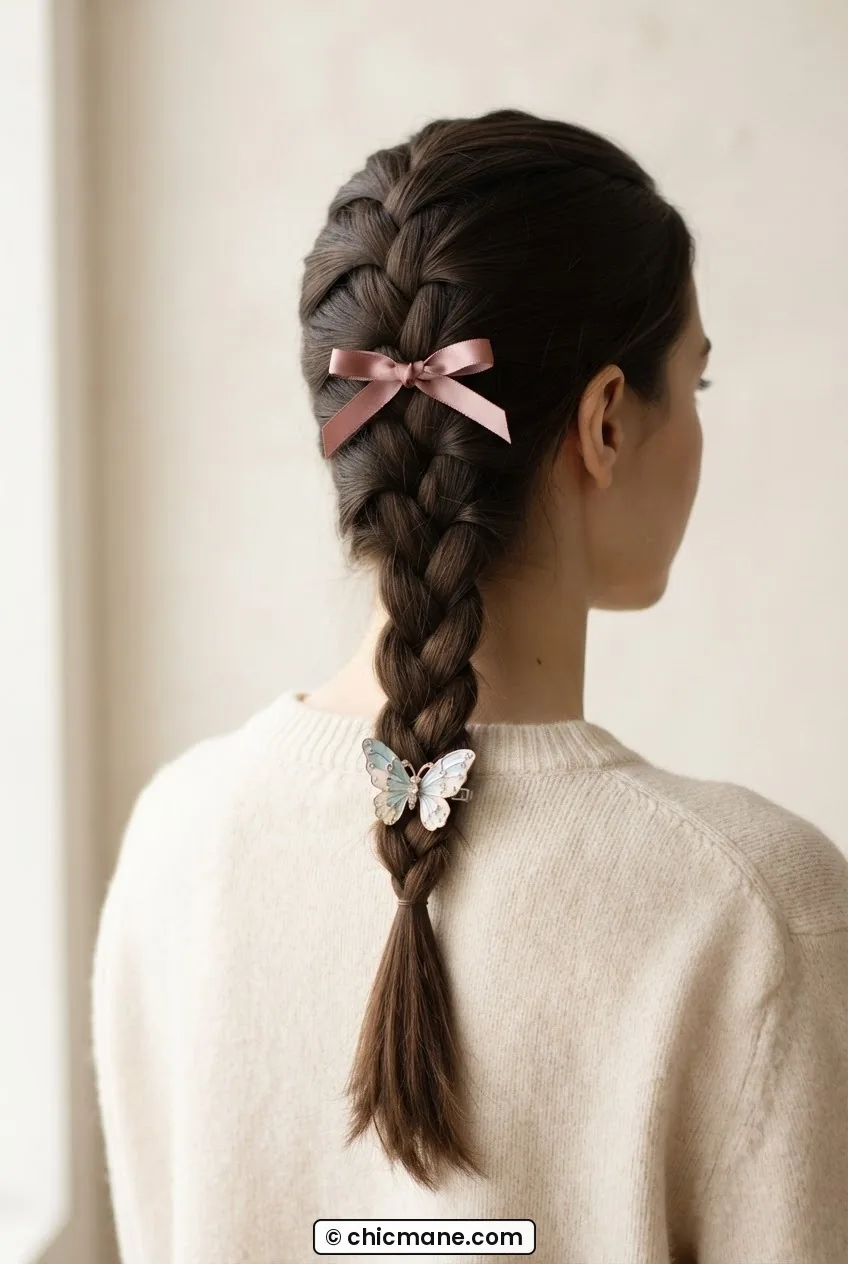
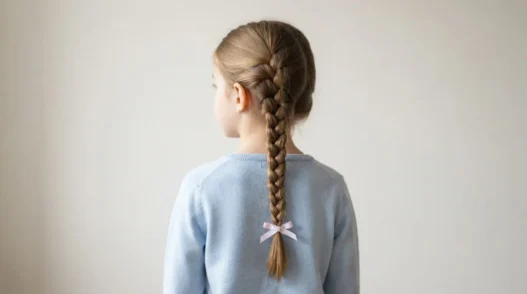
Look at her in this photo — see how the braid sits close to the scalp without pulling? That’s the tension sweet spot I mean. Firm enough to hold, not so tight that it creates those tell-tale scalp bumps. Getting this right is honestly the single biggest skill in braiding for kids.
The goal was never the most complicated braid. It was the one that still looked good at 3pm.
Finally — don’t discount accessories as part of the style. A simple three-strand braid finished with a silk ribbon or a small butterfly clip punches well above its weight visually. You don’t need ten minutes of intricate sectioning. You need one clean braid and one good clip. That’s it.
Questions I Get About This
How do I stop kids’ braids from frizzing out within an hour?
Two things: starting with slightly damp (not wet, just damp) hair, and running a light gel or edge control just along the sections before you braid. The gel sets the cuticle and reduces flyaways significantly. Avoid anything too heavy — it makes the braid look greasy by midday. I’ve found that also checking how frizz control without heat applies to braided styles gives genuinely useful framing here.
Is it okay to braid toddler hair tightly?
No — and this is a firm no. Tight tension on young scalps can cause traction alopecia, which is hair loss along the hairline. It often starts subtly — a little thinning at the temples — and can become permanent if the habit continues. Toddler braids should feel secure but comfortable; if the child is wincing or the skin is pulling, loosen it. The braid doesn’t need to be tight to last several hours on a toddler.
At what age can kids start wearing box braids?
Most locticians and stylists I’ve spoken to suggest waiting until around age 5–6 for box braids, and even then keeping them medium to large in size (smaller braids = more tension per section). The hair needs to be long enough to hold the extension properly, and the scalp mature enough to handle the weight. For younger kids, natural two-strand twists achieve a very similar look without any added weight.
My daughter says her braids hurt. What am I doing wrong?
Usually one of three things: the tension is too tight at the root, the sections are too small (which concentrates pressure), or the braids are being left in too long and the new growth is creating stress on the installed hair. Listen to her — kids don’t complain about hairstyles unless something genuinely bothers them. Loosen the roots, take the style down a day earlier, and adjust the section size next time.
If you have more questions or want to share what’s been working for your kids’ hair, I’d love to hear it — you can reach me over on the contact page anytime.
Alright — I think that’s everything I actually wanted to say about this. The short version is: simple braids done consistently and done well will always outperform elaborate braids done once in a while. Get your tension right, prep the hair the night before, and stop scrolling Pinterest at 11pm. You’ve got this.