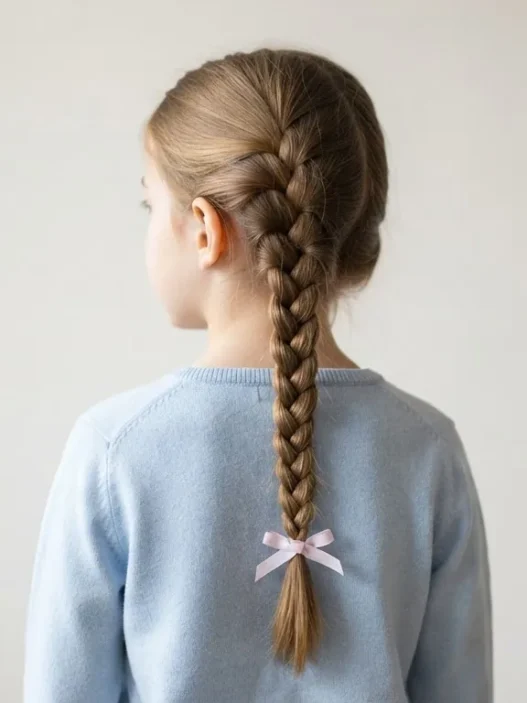









I noticed it first on a Tuesday morning in March. Three different women walked into my gym within twenty minutes of each other, all wearing the same general thing — low braided tails, sleek edges, a few pieces escaping at the temples. Not a coincidence. That’s a moment. I’ve been watching softball hairstyles creep back into everyday style conversation for the better part of a year now, and I think it’s finally time I actually traced how we got here.
The First Wave
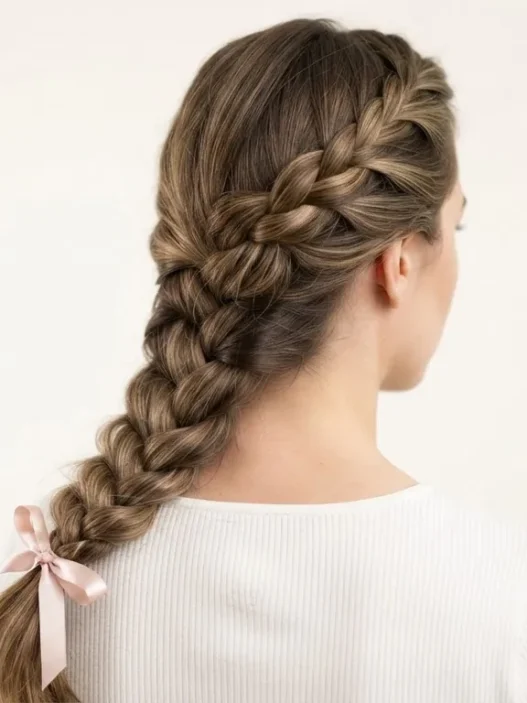
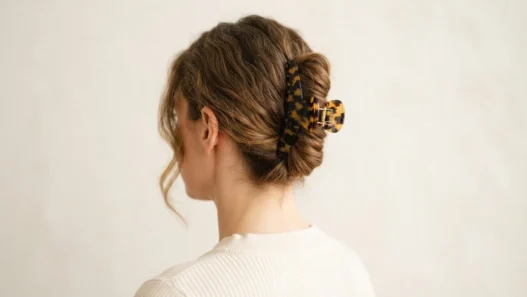
Go back to the late nineties and early 2000s. Softball and fast-pitch were having a genuine cultural moment — Title IX was finally producing generational athletes, and the aesthetic that came with them filtered into high school hallways fast. The look was functional by necessity: low, tight, secure. A braid that wouldn’t slip under a helmet. A bun that could hold through a doubleheader in July heat. Claw clips worn backward because someone’s older sister played shortstop and that’s just how it was done.
What’s interesting when I think back on it is that nobody called it a “style.” It was just what athletes wore. The crossover into non-sport fashion happened quietly — girls who’d never picked up a bat were wearing Dutch braids pinned low because their teammates did. That’s how trends actually spread. Not from runways. From locker rooms.
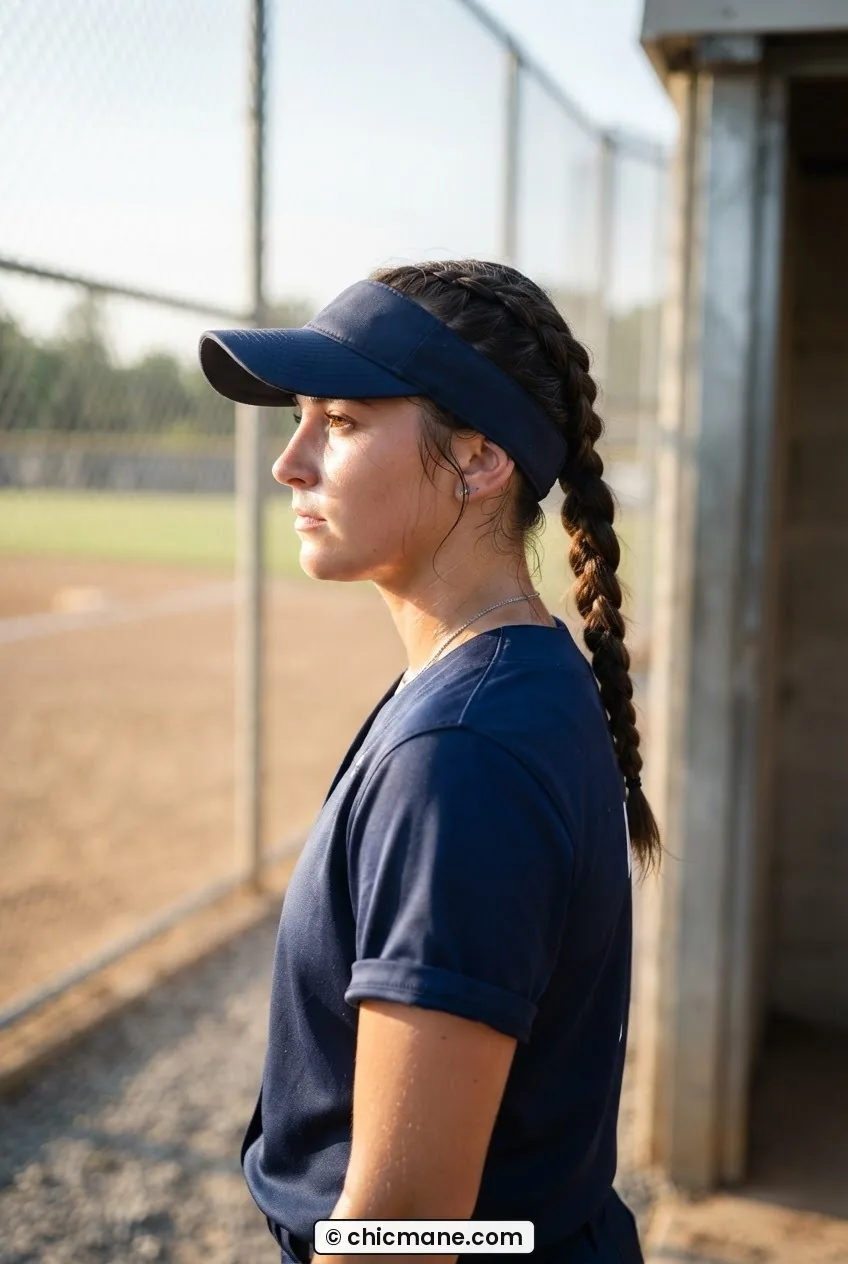
The braiding techniques from that era were also genuinely practical. A three-strand braid worn tight to the head lost almost no volume under a helmet compared to a high ponytail, which would get crushed and emerge looking like a question mark. Players adapted. And in adapting, they accidentally created something that looked intentional and cool. Those of us who grew up near a softball diamond remember this era vividly. It smelled like red clay and Aussie Sprunch Spray.
The Long Quiet
Then — nothing. Somewhere around 2010, the athletic-hair aesthetic got flattened by two competing forces: the sleek blowout era and the messy-bun monoculture. Sports hair became a category that fashion actively avoided. Athleisure existed but it was sanitized, runway-ified. Real athletic hair — functional, sometimes frizzy, deeply unbothered — wasn’t part of the pitch.
I’ll be honest: I think this era was kind of boring for anyone who actually moved their body. Every “sporty” look in magazines involved a perfect high ponytail that would last exactly four minutes in actual humidity. Meanwhile, women playing real sports on real fields kept doing what worked. The gap between fashion’s version of athletic hair and what athletes actually wore widened considerably.

This is where I’ll say something slightly unpopular: I think the messy bun set women’s practical hair knowledge back by a decade. Everyone defaulted to it. It became the universal answer for everything — sweaty, lazy, dressed-up. And in becoming the answer for everything, it stopped being a solution for anything specific. Athletes deserve better than a single silhouette for every context. The softball field is not the yoga studio is not the beach volleyball court. Lumping them all together was lazy, aesthetically and functionally.
Why It Returned
A few things converged around 2024 to bring athletic hair — and specifically that softball-field specificity — back into focus. First, women’s sports viewership exploded. Not incrementally. Explosively. Fast-pitch softball, women’s basketball, soccer — suddenly these weren’t niche broadcasts. They were events. And when millions of people watch female athletes for three hours, they notice things. Including hair that is clearly working, visibly functional, and somehow still beautiful.
Second, the “clean girl” aesthetic had already cracked the door. Slick backs, minimal fuss, edges laid, a certain purposeful neatness — that wasn’t far from what a softball player wears to keep hair out of her eyes during an infield. The aesthetics rhymed. Once people noticed the rhyme, the crossover felt obvious.
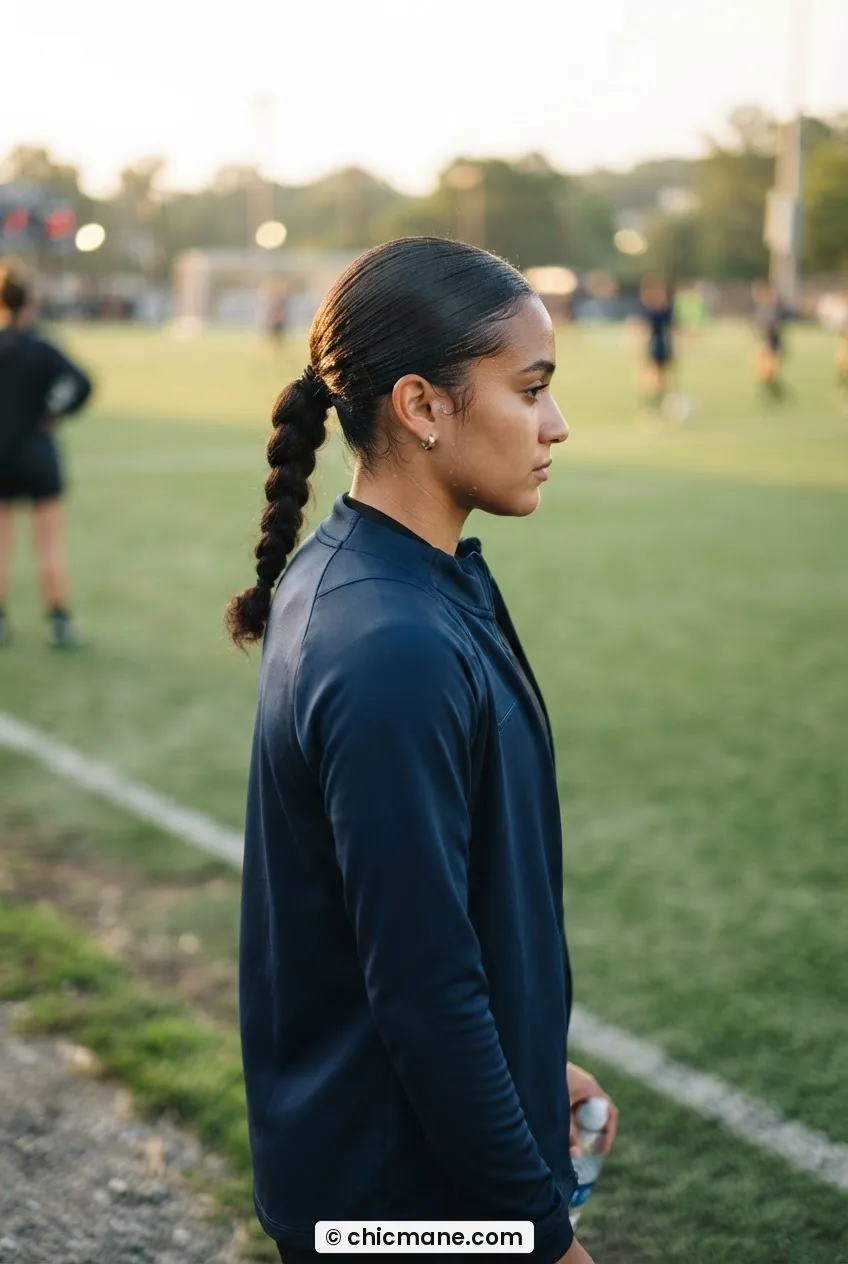
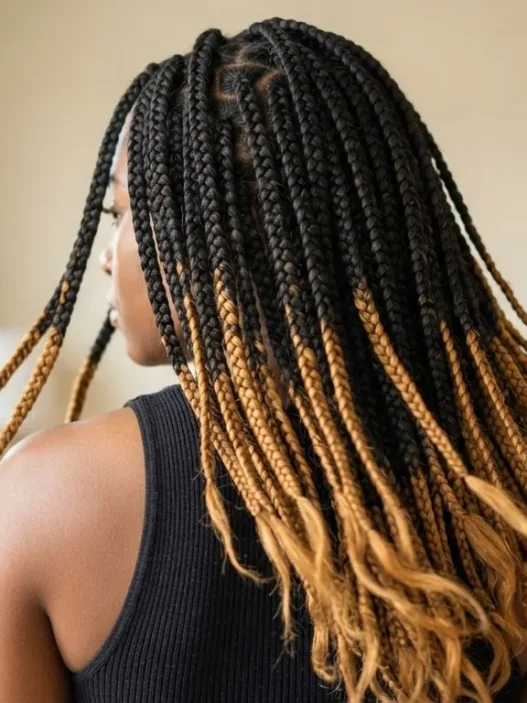
Third — and I think this is actually the mechanism — social media started rewarding specificity over aspiration. The hair that gets saved on Pinterest in 2026 isn’t the unattainable blowout. It’s the look that someone wore to do something real. You can learn more about how braided styles hold up under athletic wear by looking at what’s actually trending on sport-adjacent boards. The braids, the low twists, the helmet-ready styles — they’re not being searched as “athletic.” They’re being searched as just… hairstyles. That’s the shift. The context stripped away, the style stayed.
If you’re curious about the full landscape of braided options that translated from court to everyday life, the braided hairstyles guide on this site covers a lot of the foundational techniques that show up in both sport and street contexts — worth a read for understanding the vocabulary.
What Short Hair Does on the Field
Here’s something the retrospective misses if you only focus on braids: short hair has always had a quiet presence in softball culture, and its role in the 2026 revival is real.
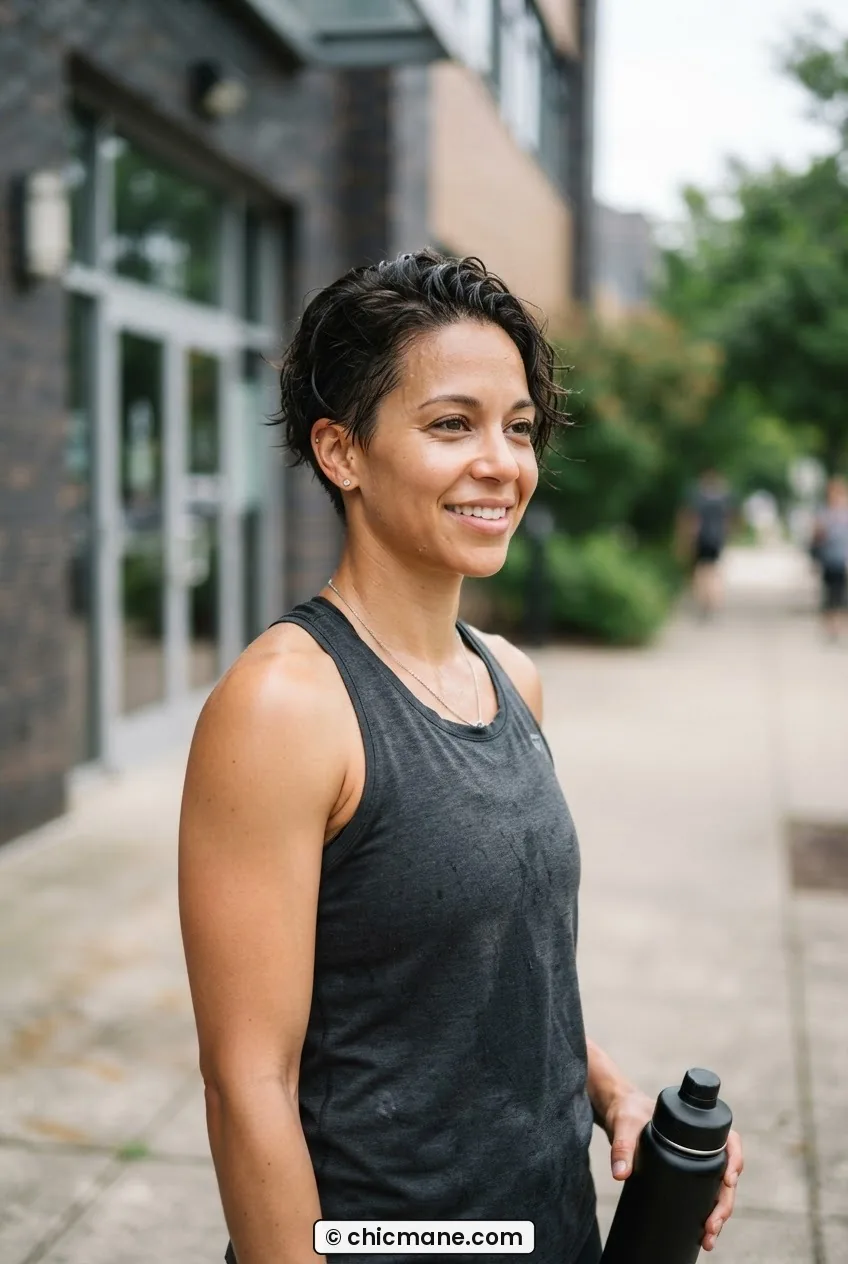
Short athletic cuts do things longer hair can’t. No ponytail physics to worry about. No braid coming undone at the fourth inning. Just clean, secure, done. What changed is that short sporting cuts started being styled with intention — texture sprays, defined perimeters, cuts that frame rather than just crop. Look at her in the photo below — that damp, pushed-back texture she’s wearing is exactly what I mean. It reads athletic and deliberate at the same time. The hair isn’t fighting anything. It’s just working.
The styling principles for short hair in sport contexts are actually pretty consistent across different athletic arenas — what works on a softball diamond works on a basketball court, which works at a soccer warmup. The common denominator is that the hair needs to stay put and not require adjustment mid-play. Styling products that provide grip without flaking became the sleeper heroes of this whole movement. And for anyone navigating this with not much length to work with, the approach to short hair styles that are easy when you don’t have much length maps pretty directly onto what’s working in athletic contexts right now.
The one thing I’d add is that the cut matters more for short athletic hair than most people give it credit for. A cut that grows out unevenly becomes a problem by week three of a season. Finding the right short cut is genuinely worth understanding before you commit.
The Medium-Hair Moment Nobody Predicted
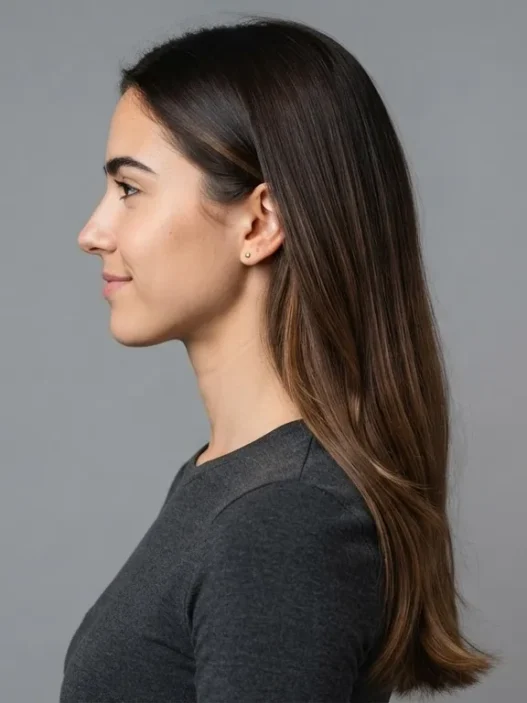
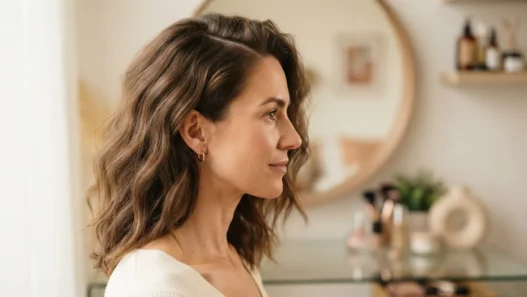
If I had to pick one surprise in the 2026 version of this trend: medium-length hair. Nobody — and I mean nobody — predicted that the awkward middle ground would become the most versatile athletic length.
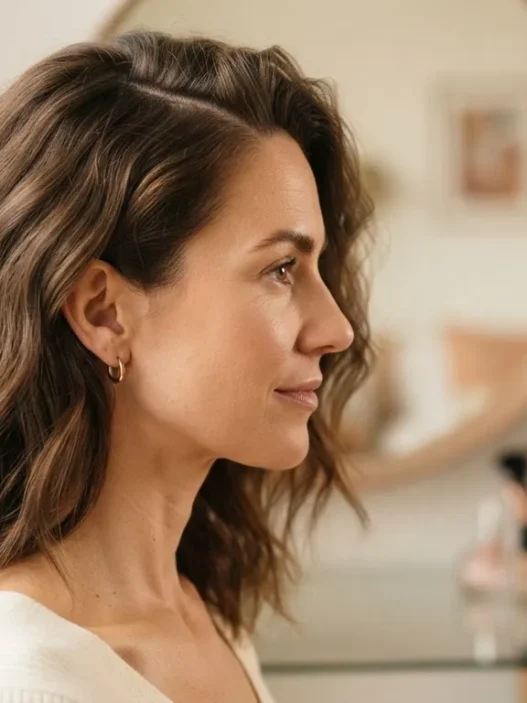
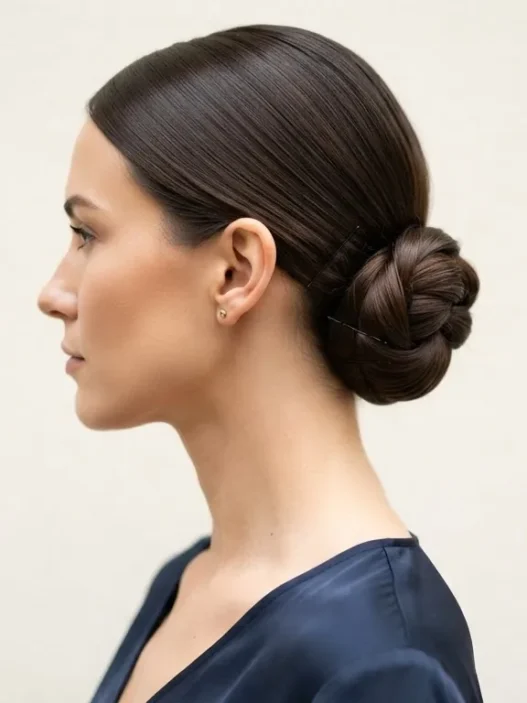
Here’s why it works. Medium hair is long enough to braid, short enough to not go completely chaotic under a helmet, and the right length for a low bun that doesn’t hit the back of a cap. It sits in a genuinely useful zone that long hair misses (too much volume, too much weight) and short hair can’t reach (not enough length for any kind of updo). The medium-hair athlete is, frankly, winning the styling lottery right now.
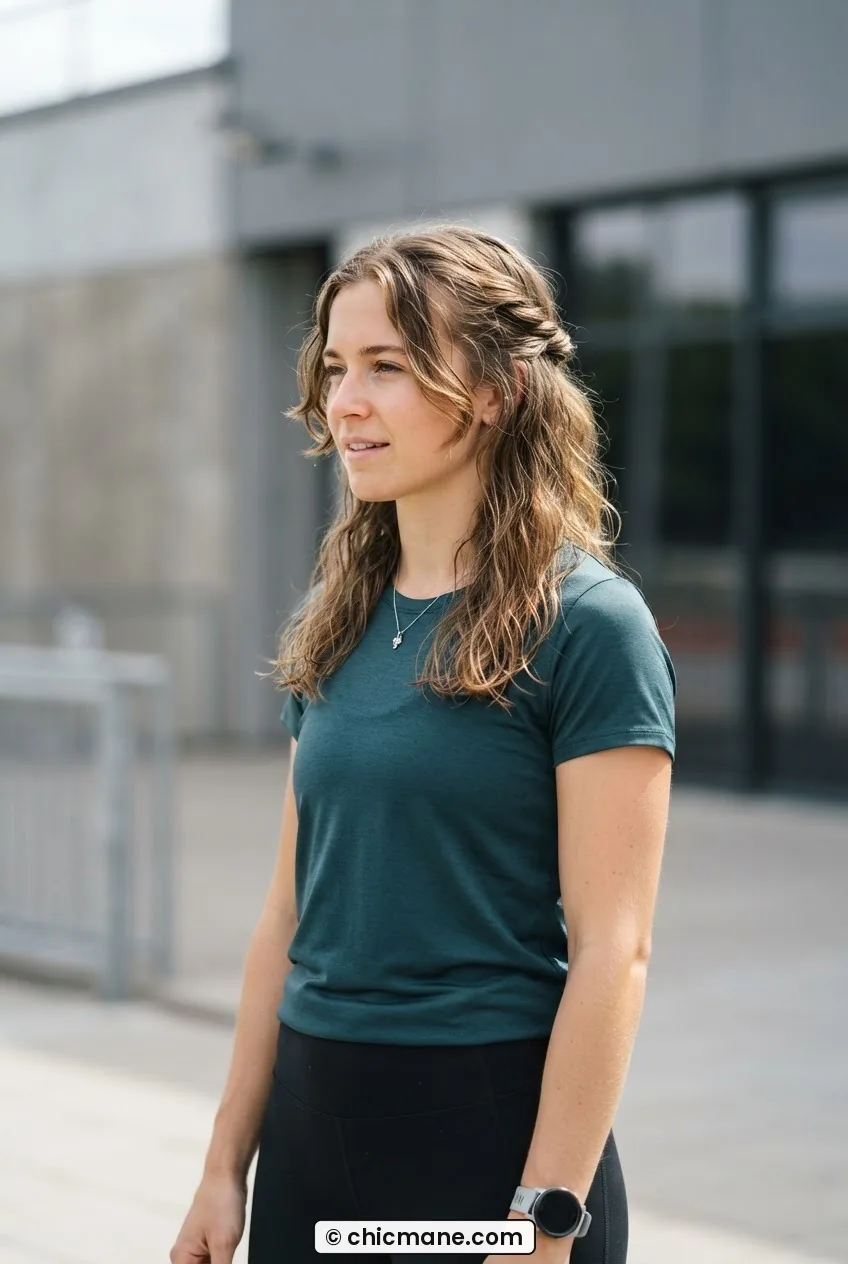
The styles coming out of this length are also the ones getting the most crossover play into everyday fashion. A low, loose braid at medium length looks intentional off the field in a way that a high tight braid doesn’t always translate. A half-up twist with medium hair reads as a weekend look, not strictly a sport look. That ambiguity is exactly why it’s catching on with women who’ve never played a sport competitively but love the aesthetic of someone who has. The medium hair length style guide I’ve referenced before goes deep on exactly these types of versatile styles — the concepts apply beautifully to the athletic-crossover moment we’re in.
And if you want to see how some of these styles scale across different hair lengths — from true cropped cuts all the way down to waist-length — there’s a solid overview of hairstyle ideas from crop to waist length that puts the medium-hair moment into context. It’s one thing to love a style at one specific length. It’s another to understand why it works structurally.
What makes 2026 different from the first wave isn’t the silhouettes — those are largely the same. It’s the intention behind them. Women in the first wave wore these styles because they had to. Women wearing them now are choosing them. That’s not a small distinction. It means the styles have to hold up to scrutiny as aesthetics, not just as functions. And most of them do. The ones that don’t — overly stiff, overly slick, missing any personality — are already fading back out. The ones that look like someone actually has a life? Still everywhere. For a quick look at fast open styles that borrow from this athletic vocabulary, the five-minute open hairstyle options are worth bookmarking. You can see how the sport-to-casual translation actually works in practice.

You can also get a better sense of how moisture-proof formulas keep these styles intact by reading up on sweat-proof hair styling techniques — because if a style can’t survive the seventh inning, it wasn’t really designed for this context.
Quick Answers
What makes a hairstyle actually work for softball specifically?
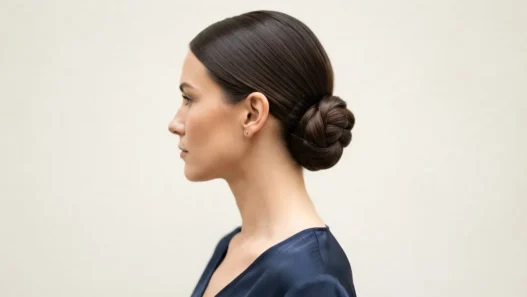
It has to survive helmet contact without collapsing or creating pressure points, stay out of peripheral vision, and not need mid-game adjustment. Low braids, tight buns positioned at the nape or base of the skull, and slicked-back short styles with grip product all meet that criteria reliably. High ponytails that hit the back of a helmet are probably the most common mistake.
Can the same braided styles work for other field sports like soccer?
Mostly yes, with one caveat — soccer doesn’t have the helmet constraint, so you have more flexibility with height. A mid-to-high bun that would get flattened by a batting helmet is totally fine for the soccer pitch. The braid techniques translate almost directly. The placement is where you adjust based on your sport.
Is this trend going to last or is it another short cycle?
My honest read is that it sticks longer this time because it’s not coming from a fashion campaign — it came from actual viewership of actual athletes doing actual things. Trends rooted in function tend to have longer shelf lives than purely aesthetic ones. That said, the specific styling details (edge laying, specific braid placements, particular products) will evolve. The core vocabulary — low, secure, clean, intentional — has legs.
Does hair length really matter for getting the athletic-crossover look right?
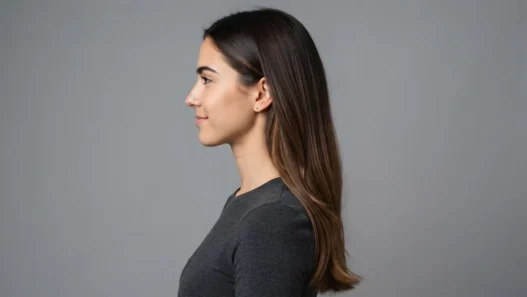
More than most people admit, yes. Medium length is genuinely the sweet spot right now for versatility — long enough to braid properly, short enough to stay manageable. Short hair can absolutely work but needs a really good cut that grows out well. Very long hair requires more product and more time to secure effectively, which somewhat defeats the casual, functional appeal of the whole look.
The thing I keep coming back to is how the field shaped the fashion and not the other way around — and that that inversion is exactly why this version of the trend feels more durable than the last. It wasn’t designed. It was worn. That’s a different kind of staying power. If you’re paying attention to what’s on women’s heads at actual games rather than in editorial shoots right now, you’ll see it. The braid, the slick back, the functional bun — all quietly everywhere, all finally getting their credit.