






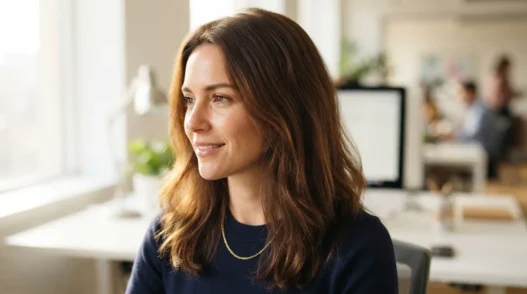
I went in for a trim last spring with absolutely no agenda — just split ends and a vague plan to get home in time for lunch. But my stylist, Marisol, had other ideas. She took one look at my hair, then one look at my face, and said, “You’re going to work like this?” Not unkindly. More like a doctor who catches something you didn’t know to worry about. What followed was probably the most useful twenty-minute conversation I’ve had about office-appropriate hair since I started working full-time.
You Are Washing It Too Often
This was the first thing out of Marisol’s mouth, and honestly it stung a little. I had been washing my hair every single morning because I thought it made me look more polished at the office. Clean, fresh, professional. What I didn’t realise was that daily washing was stripping my natural oils, making my hair floppy and fine by noon, and actually harder to style into anything that would hold through a full workday.
She told me to stretch to every other day — three days if I could manage it — and use a lightweight dry shampoo at the roots on the in-between mornings. The result? My hair actually had body and grip by day two. A twist or a half-up actually stayed put. I could pin things and they would hold. It felt like a cheat code I’d been ignoring for years.
If you want to understand more about how washing frequency affects your hair’s health, reading up on how hair washing frequency affects texture is genuinely eye-opening. The science backs Marisol up completely.
A Low Bun Does Not Have to Look Stiff
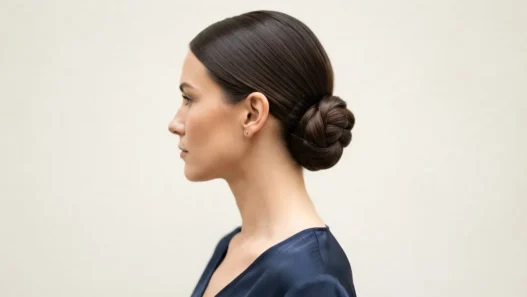
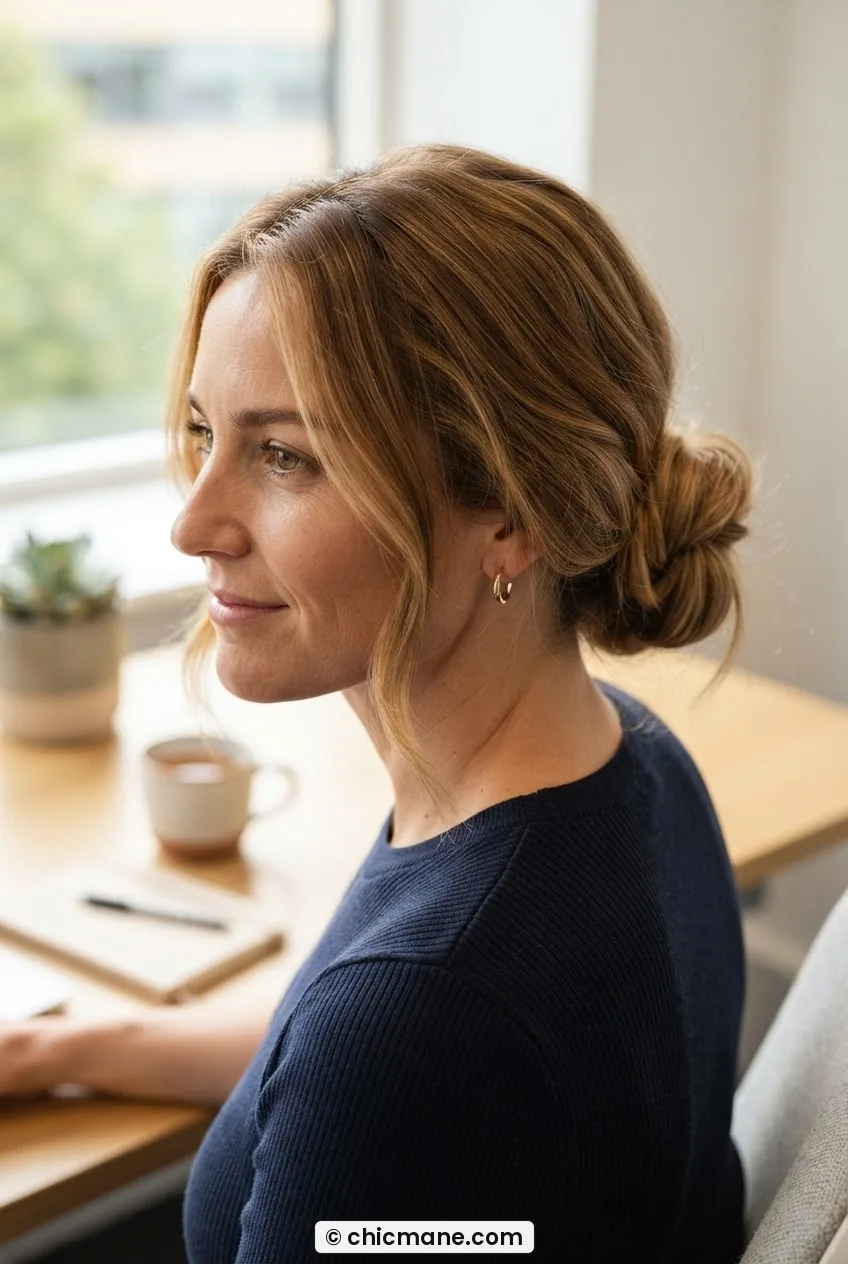
Here’s where I pushed back a little. I told Marisol I didn’t love the low bun because it always made me look like I was heading to a job interview for a 1990s law firm. She laughed and said the problem wasn’t the bun — it was how I was executing it.
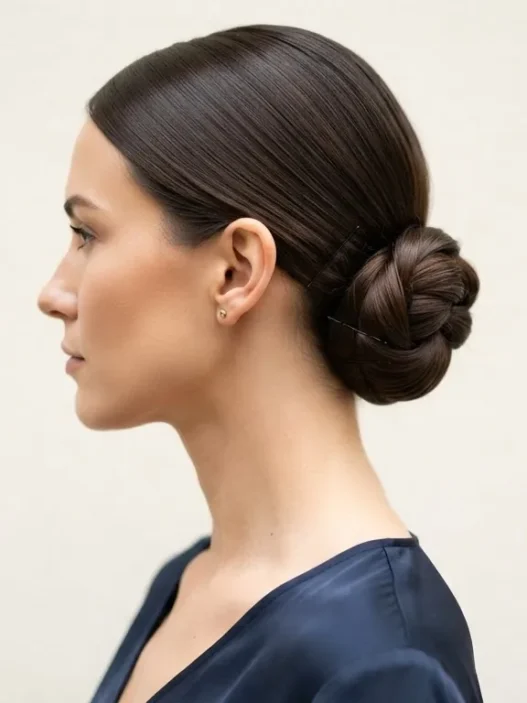
Her fix was deceptively simple. Instead of smoothing every strand back perfectly before twisting, she told me to pull a few face-framing pieces loose first. Then let the bun itself be slightly off-centre — not dramatically, just barely shifted to one side. Finally: no gel on the top section. A light hold spray only, and only at the nape. “You want it to look like you thought about it for three minutes, not thirty,” she said. That’s the balance that reads as classy rather than severe.
She also pointed out that the right length makes a huge difference in how a low bun behaves. If you’ve been considering a change, this hair styles for medium hair length guide covers exactly which lengths cooperate best with everyday styles like these. Medium lengths, it turns out, hit a sweet spot — enough to wrap into a bun, short enough that the bun doesn’t feel heavy.

Your Face Shape Should Drive the Decision
This is the section where Marisol got a little philosophical. She said most people choose their work hairstyles based on what’s trending or what’s easiest — and both are the wrong starting point. Face shape should come first, always.
For me specifically (oval face, slightly wide forehead), she recommended styles that add softness around the temples rather than pulling everything back flat. That means curtain bangs work brilliantly for professional settings. So do loose layers that fall forward. A sleek centre-parted pull-back, on the other hand, makes my forehead look like a landing strip. Her words, not mine.
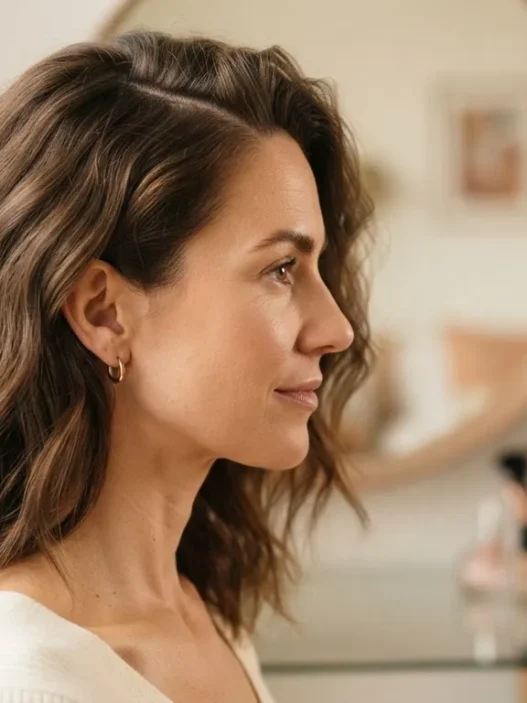
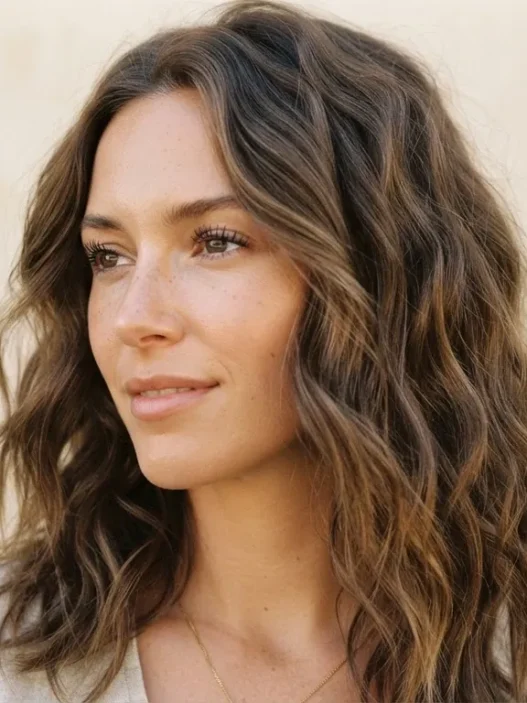
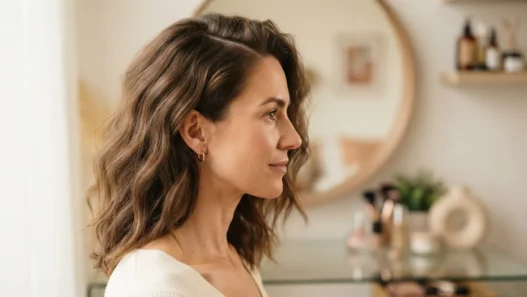
Look at her in this photo — she’s wearing a soft side part with pieces left loose at the cheekbones, and you can immediately see how it balances a longer face shape. That angle Marisol described is exactly what I mean. The softness at the sides does all the work.
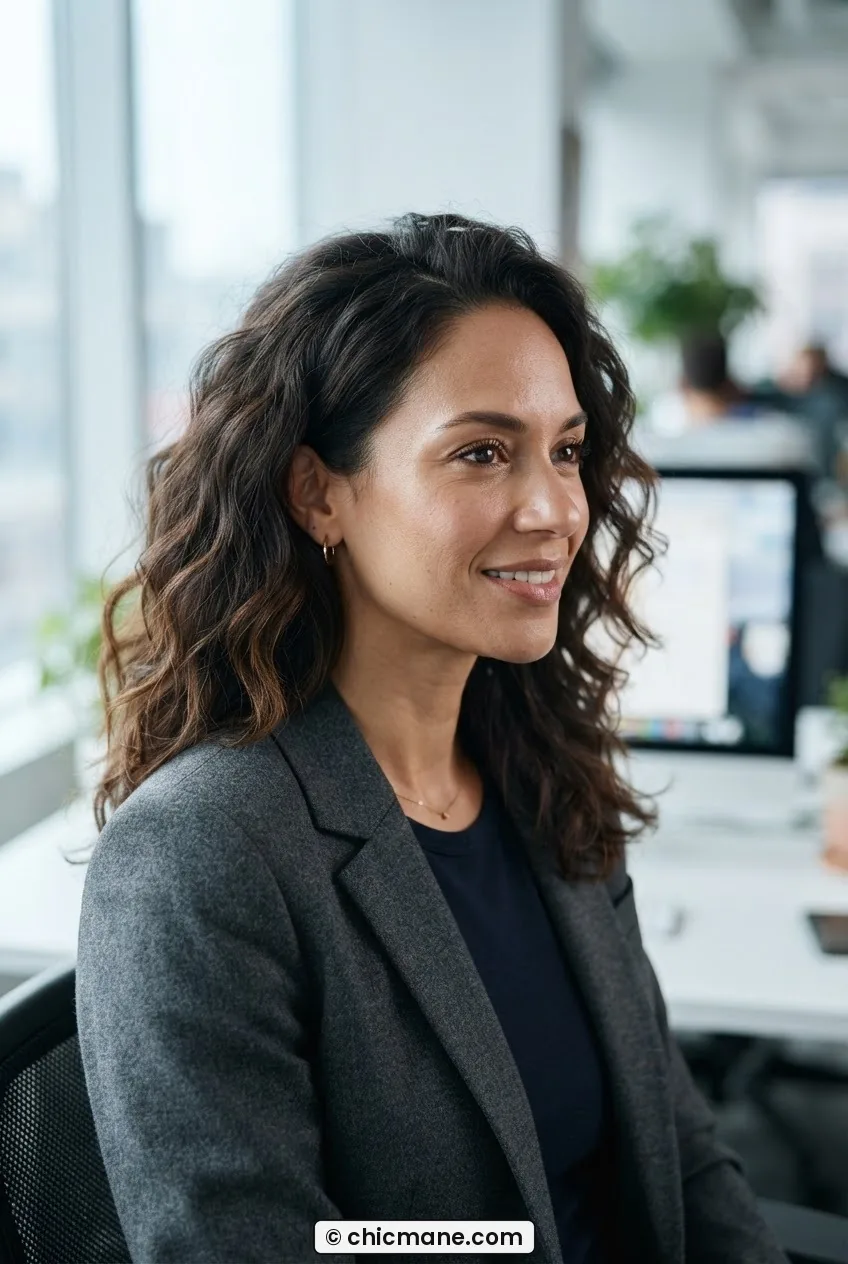
The point is that “classy work hairstyles” doesn’t mean the same thing on every face. A sharp centre-parted low ponytail looks incredibly polished on a heart-shaped face. On me it looks like I’m trying too hard and failing simultaneously. If you’re figuring out what actually works for your specific shape, these hairstyle ideas from crop to waist length show a solid range of cuts across different face shapes, which helps you see what carries over into a work context.
Texture Is the Thing You Keep Skipping
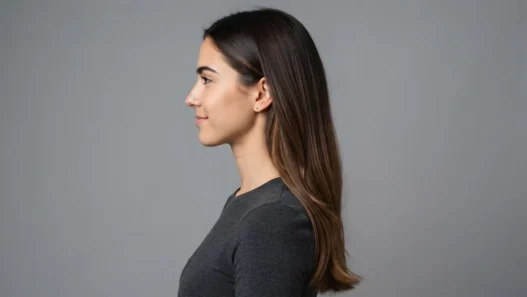
Okay. Controversial opinion incoming, and I’m standing by it: the biggest mistake women make with office hair isn’t the style they choose — it’s that they try to make it look too perfect. Perfectly sleek, perfectly smooth, every hair in place. And it ends up looking either overdone or exhausted by 2pm when the flyaways arrive uninvited.
Marisol’s take on this was direct: “Texture makes hair look intentional even when it’s not.” A little sea salt spray, or even just braiding your hair the night before and loosening it in the morning, gives you movement that reads as effortlessly polished rather than frantically groomed. It also holds better through a full day of sitting under office lighting, which dries hair out and flattens whatever you applied at 7am.
She walked me through a few no-heat options — twists, braid waves, scarf wraps overnight — that give the texture without the damage. If you’re curious about making this work without heat, there are so many quick approaches covered in these five-minute open hairstyle options that translate beautifully into a professional setting. Genuinely, five minutes and you look like you had a whole morning.

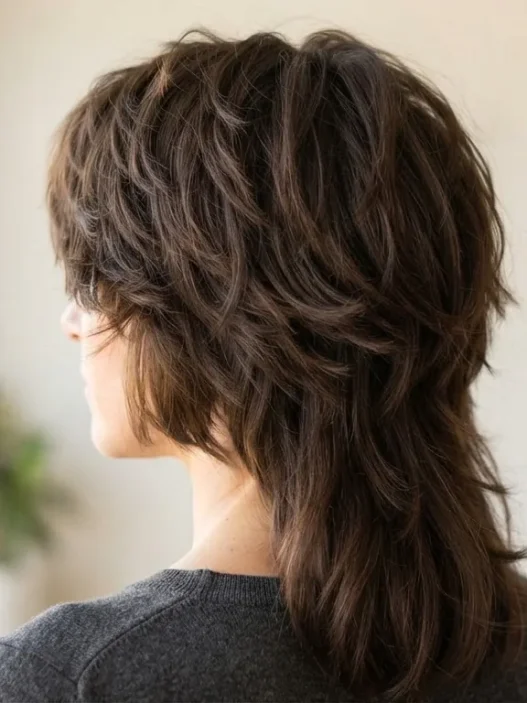
And texture isn’t only for long hair — it’s actually the secret weapon for short hair at the office. A little product scrunched into shorter layers gives structure without stiffness. She pointed me toward some ideas that I never would have thought of for shorter lengths, and I’ve been thinking about them since. These cute hairstyles for short hair are sorted by length, which makes it easy to find something that actually fits where you are right now.
A Texture Technique Worth Stealing for the Office
The Piece of Advice I Ignored — And Regretted It
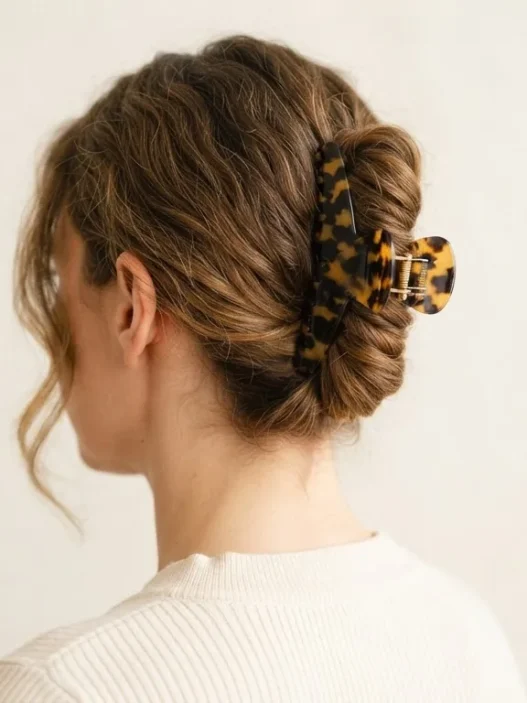
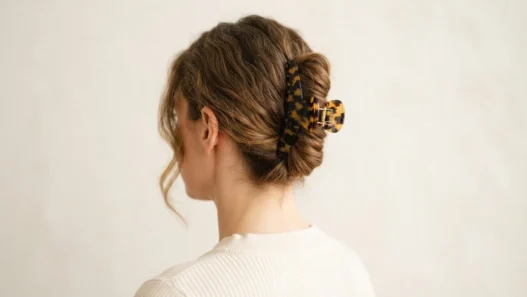
Marisol told me to stop trying to make my half-up styles work with a clip that was too small. She was very specific: the clip size needs to match the volume of hair being gathered, or the style collapses midday, which looks worse than not trying at all. She suggested a wider jaw clip or a soft scrunchie in a neutral tone.
I smiled and nodded and then went home and used my tiny little claw clip the very next Monday because it matched my bag and I thought surely it would be fine.
By 11am it had slipped sideways. By noon the whole thing had given up and I had a lopsided heap of hair at the back of my head during a video call with my manager. I could see it in the corner of my screen the entire time. I thought about Marisol the whole call.
The lesson isn’t even really about clips. It’s that the hardware matters as much as the style. A work hairstyle fails or holds based on the tools you’re using to keep it there — and the right hair accessories make a genuinely surprising difference to how long any style lasts through a busy workday. I bought a wider clip that weekend. Haven’t had a 11am collapse since.
Also worth saying: the half-up, when it works, is maybe the best work hairstyle format going. It reads polished, it keeps hair out of your face, it doesn’t require as much length as a full updo, and it has enough variation — twisted front, braided front, tousled versus smooth — that you can rotate it all week without looking like you forgot to try anything different. For some extra ideas on exactly this kind of rotational approach, the range of styles covered in this piece on ten open hairstyle options you can do quickly is a good starting place.
Quick Answers About Work Hairstyles
What is the most professional hairstyle for the office in 2026?
There genuinely isn’t one single answer — it depends on your face shape, hair texture, and how formal your workplace is. That said, a low bun with a few loose face-framers, a structured half-up, or a textured low ponytail all read as polished without looking stiff. The key in 2026 is that perfectly lacquered looks feel dated; intentional but relaxed is where office style has landed.
How do I make my work hairstyle last all day?
Start with second-day hair rather than freshly washed — the natural oils give your style grip. Use a lightweight hold spray rather than gel, which can flake under office lighting. And make sure your clips or pins are actually sized for the volume of hair you’re gathering. A clip that’s too small will let go by mid-morning.
Are open hairstyles acceptable at work?
Absolutely — open hairstyles are perfectly appropriate for most professional environments, especially with some texture and soft face-framing. The main thing is avoiding styles that look undone rather than relaxed. A little wave or a loose side part tends to read as intentional and put-together, which is exactly what office hair needs to do.
Does hair length affect which work hairstyles look best?
Yes, quite a bit. Medium lengths are the most versatile for work — they cooperate with buns, half-ups, and open styles without as much fuss. Short hair has its own set of strengths: texture and product do all the heavy lifting, and there are more options than most people expect. Long hair is beautiful but needs more planning to stay polished through a full day.
Marisol’s parting words as I was leaving the salon that day were something I’ve thought about a lot since: “Your hair is the first thing people see at work — it should look like you made a choice, not like you gave up.” Not harsh. Just honest in the way that only someone who cares about their craft can be honest. I’ve tried to carry that into how I approach getting ready in the morning now. Some days I succeed. Some days the tiny clip wins. But at least now I know whose fault it is.