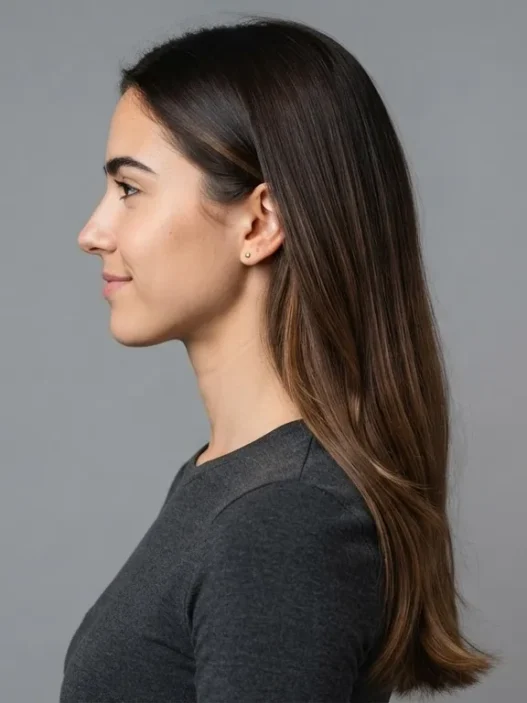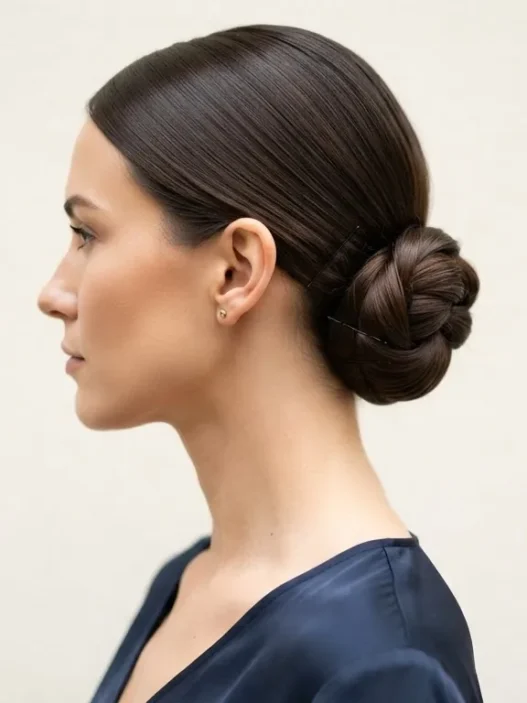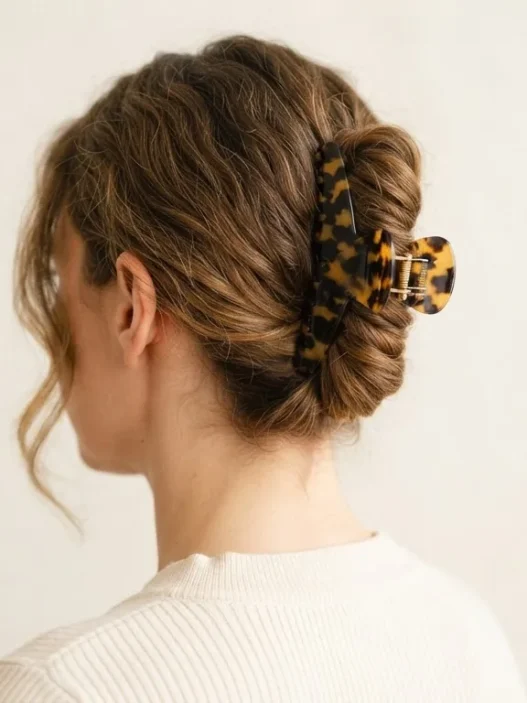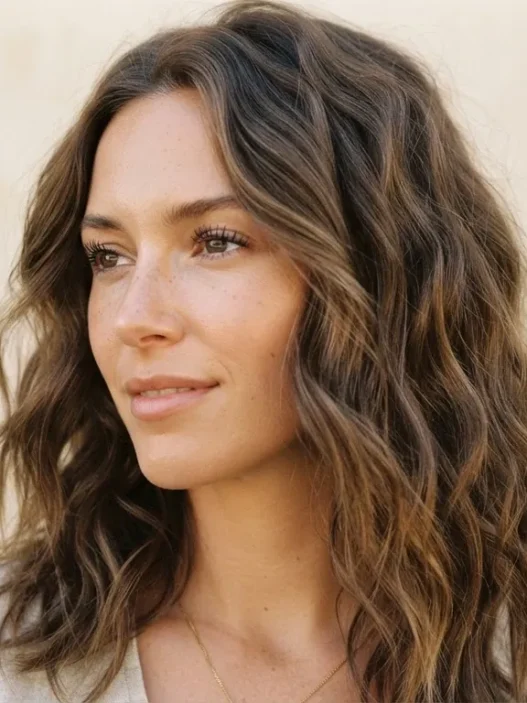







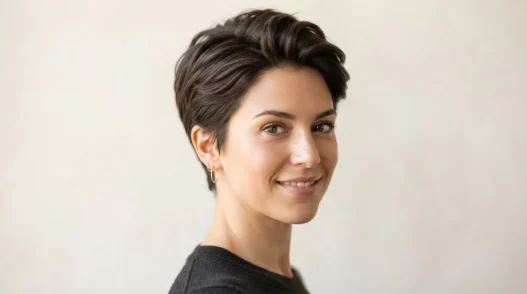
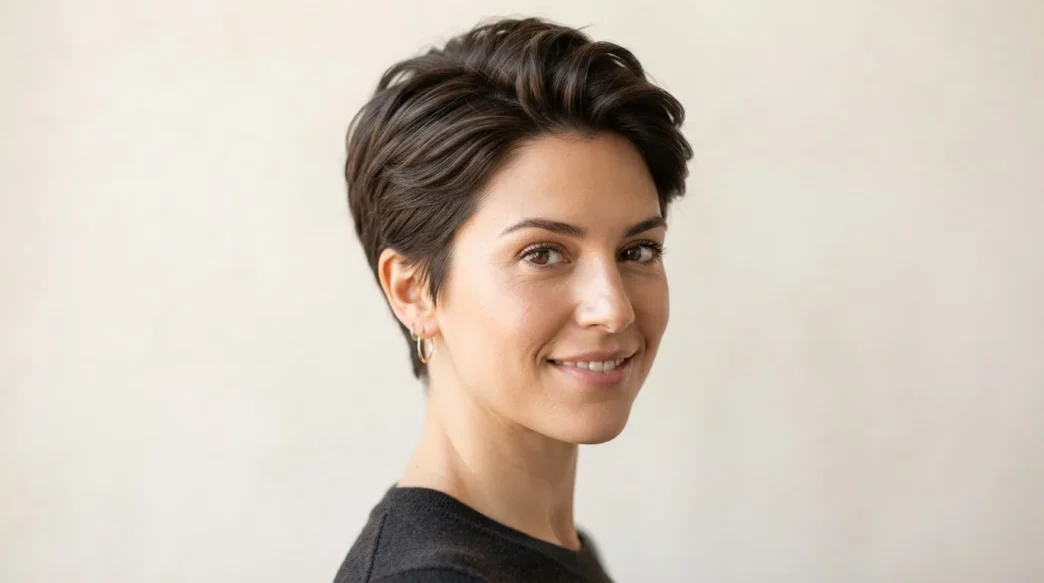
I’ve worn my hair at nearly every length between a buzzed nape and my shoulders, and the one thing I keep coming back to is this: “short hair” is not one haircut. It’s a whole spectrum — and where you land on that spectrum changes everything about how you look, how long your morning takes, and honestly, how you feel when you catch your reflection in a shop window. So I sorted 15 of my favorite short hair styles into four length bands, from the shortest crops all the way to past-the-shoulder cuts, because that’s where the real conversation starts.
What We’re Covering — Jump Ahead
Pixie and Crop Length
This is the most committed zone. Hair at or above the ear, napes that are tapered or shaved, and fringe that may or may not exist. It takes nerve to get here — but staying here? Honestly effortless once you’re in. These are the cuts that make people stop you at the grocery store.
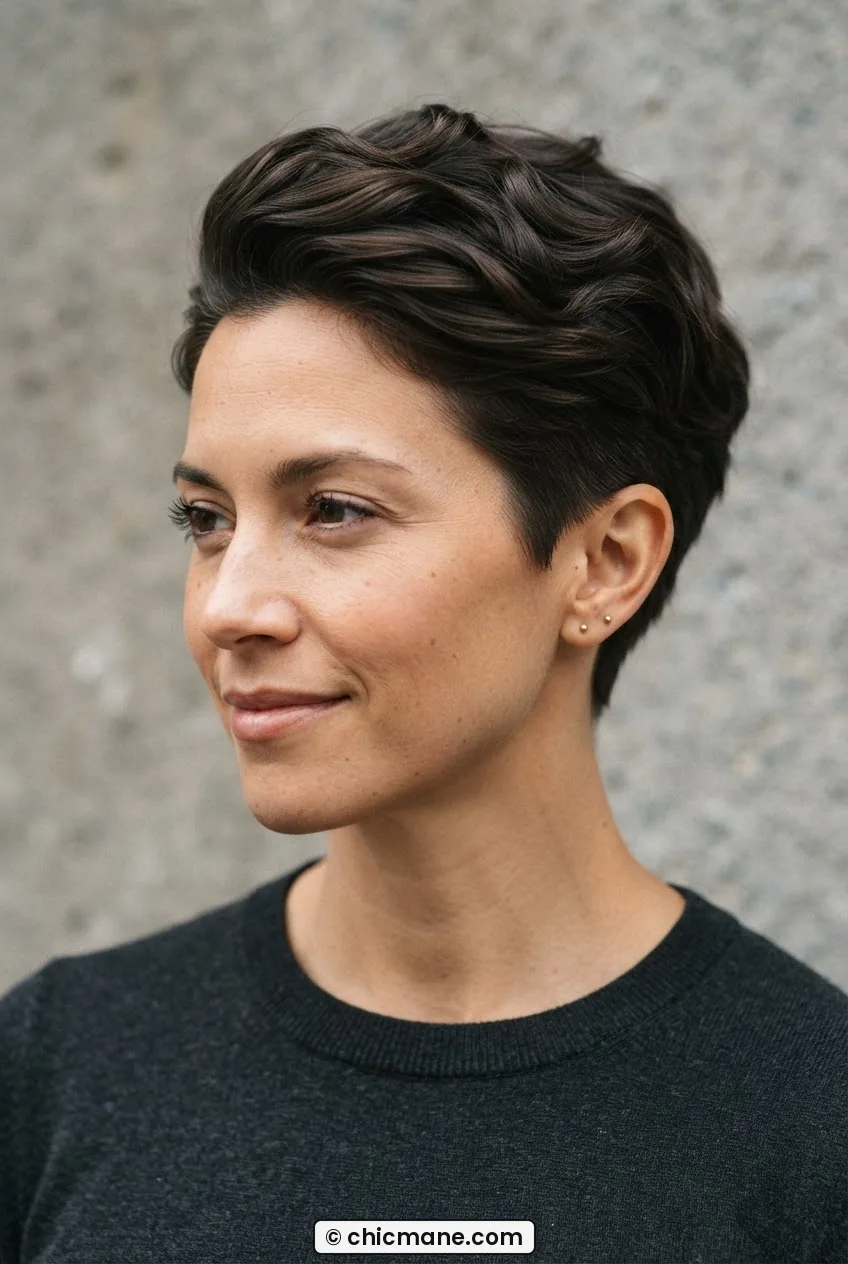
1. The Classic Tapered Pixie
Clean, short nape. Volume on top. This is the pixie that launched a thousand salon appointments in the sixties and has never really left. The magic is in how the taper at the sides creates this almost sculptural effect — look at how she’s wearing hers in the photo below, the way the light catches the length on top against that tight fade. That contrast is everything.
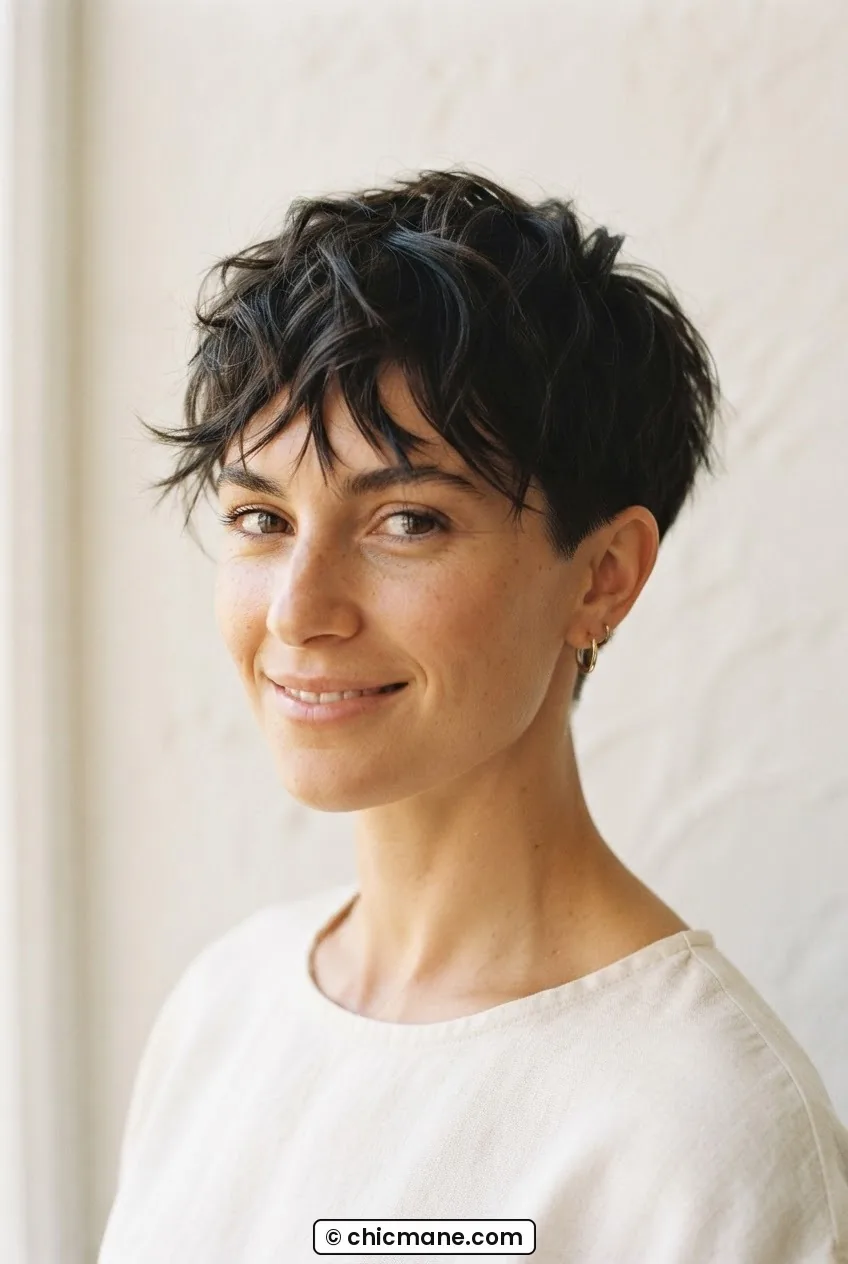
2. The Textured Crop with Piece-y Tips
Think salt spray, a blow-dryer pointed forward, and five minutes max. The textured crop is cropped close at the back but the top is left longer and styled into messy, piece-y sections that catch the light. It reads edgy but works on everyone from 22 to 72. I always tell people it’s the “I woke up like this” cut that actually requires zero effort to maintain once you hit the three-week mark post-chop.
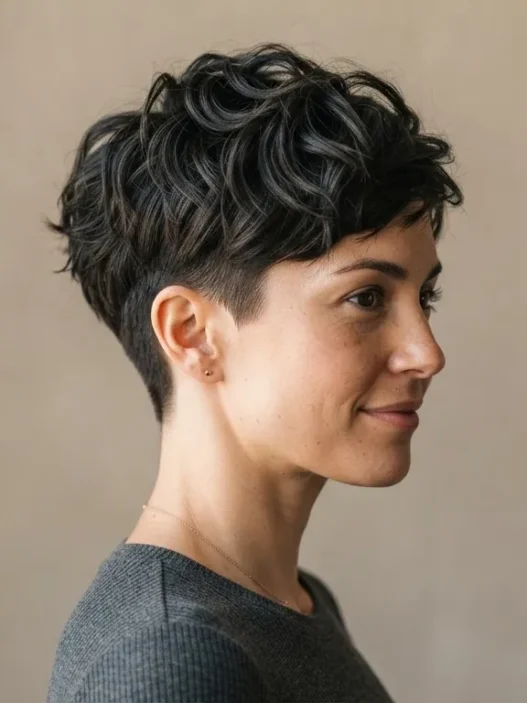
3. The Undercut Pixie
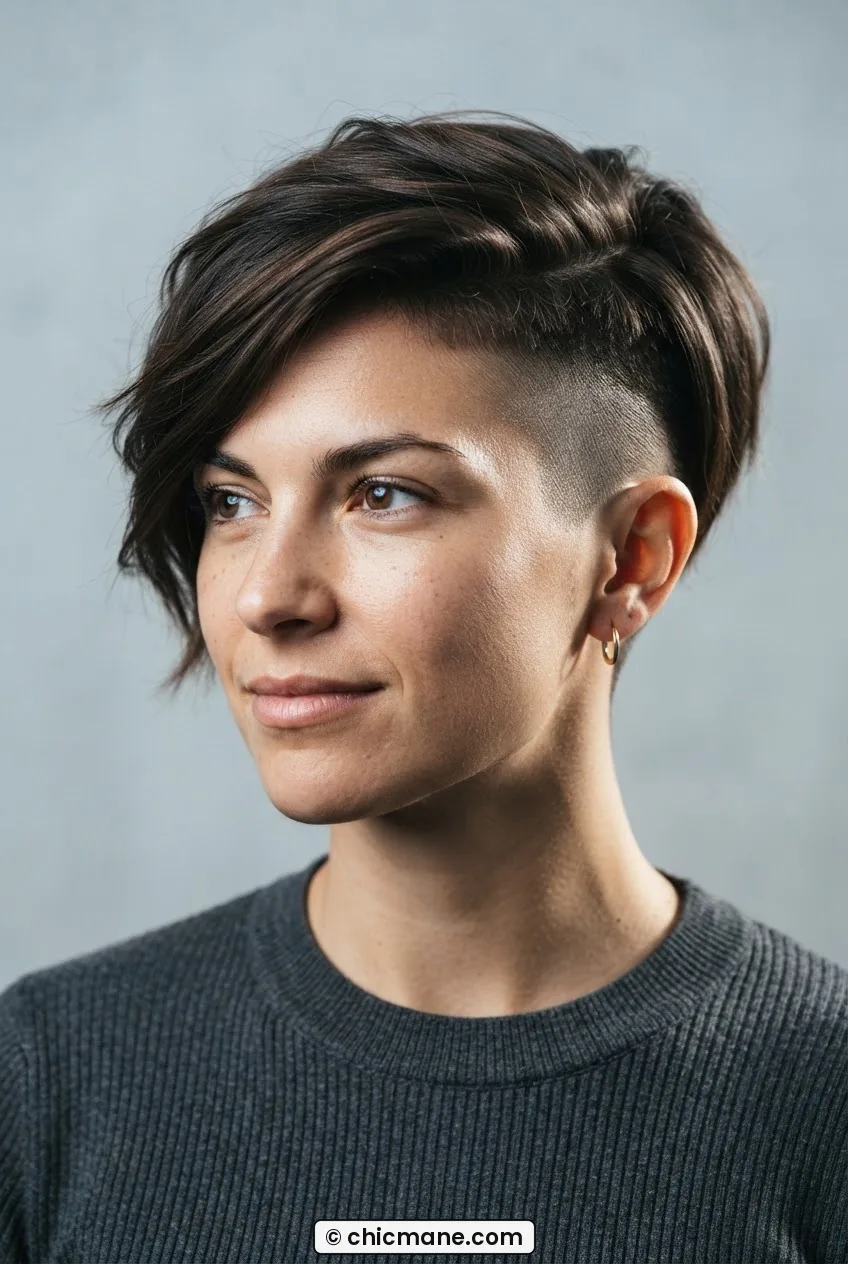
Shaved underneath, longer on top. Sometimes a hidden disconnection, sometimes fully visible when you tuck the top layer behind your ear. This one is for the person who wants to feel different every single morning depending on how they style it. She’s got a similar face shape to mine, and honestly, this undercut version looks incredible on her — that disconnect at the temple does something really flattering.
4. The Micro Fringe Crop
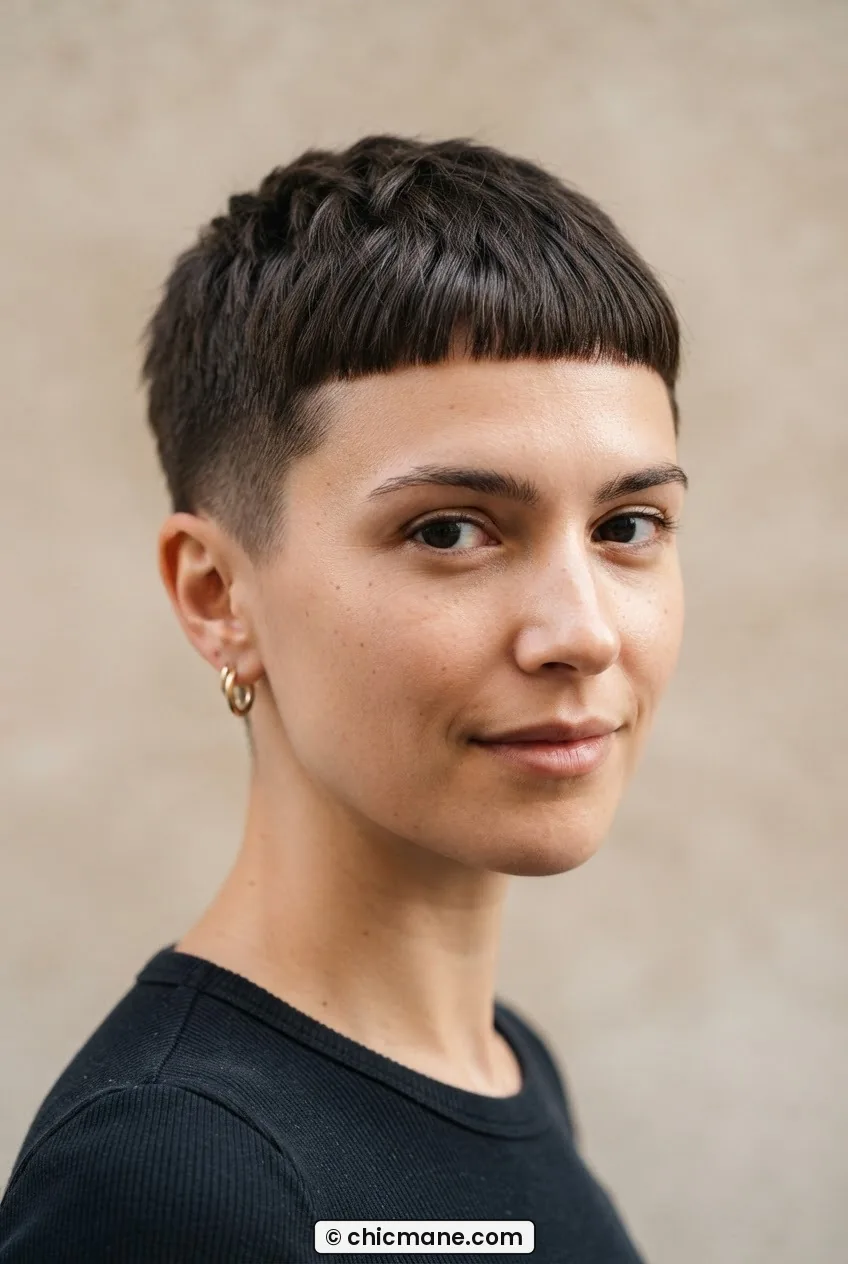
A very short fringe — we’re talking eyebrow-grazing or above — paired with a tight crop. It’s a bold call. But when it works, it really works. You need a good stylist for this one; the fringe angle has to be custom-cut to your forehead shape or it just looks like a mistake rather than a choice. Worth the consultation time, though.
A Stylist Walks Through Every Crop Stage
Chin to Jaw
This is where I personally live. The chin-to-jaw band is wildly versatile — long enough to tuck, pin, or half-up, short enough to look deliberate and structured. Most of the questions I get from readers are from people who are hovering right here, trying to decide whether to go shorter or grow it out. My honest answer: stay here a while. It’s the best neighborhood.
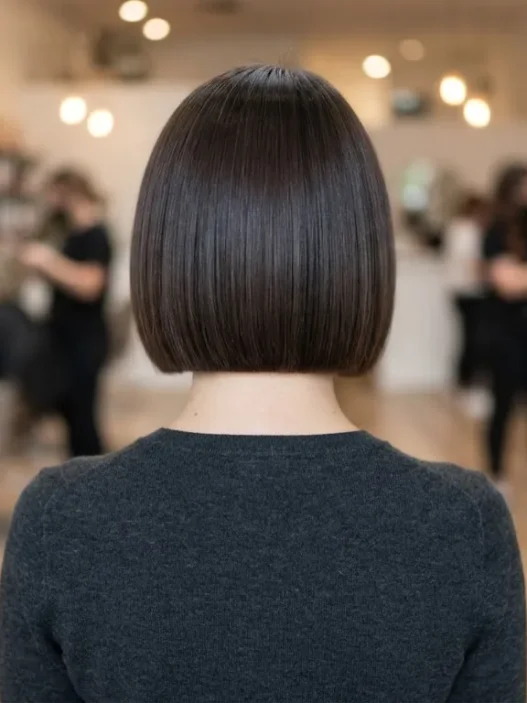
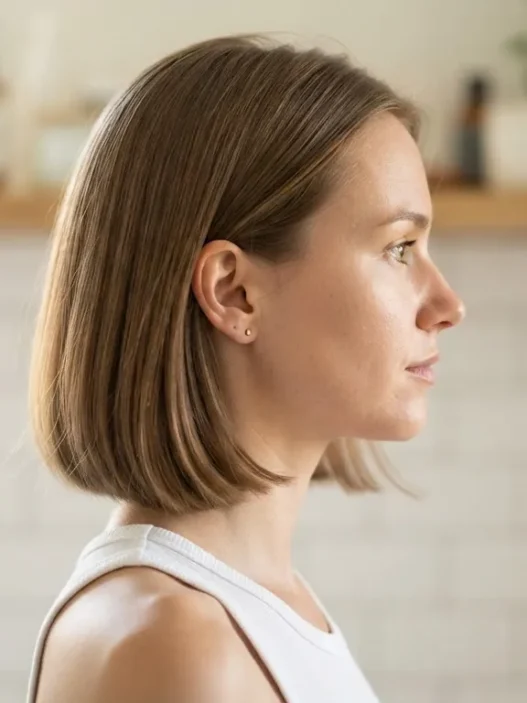
5. The Blunt Jaw-Length Bob
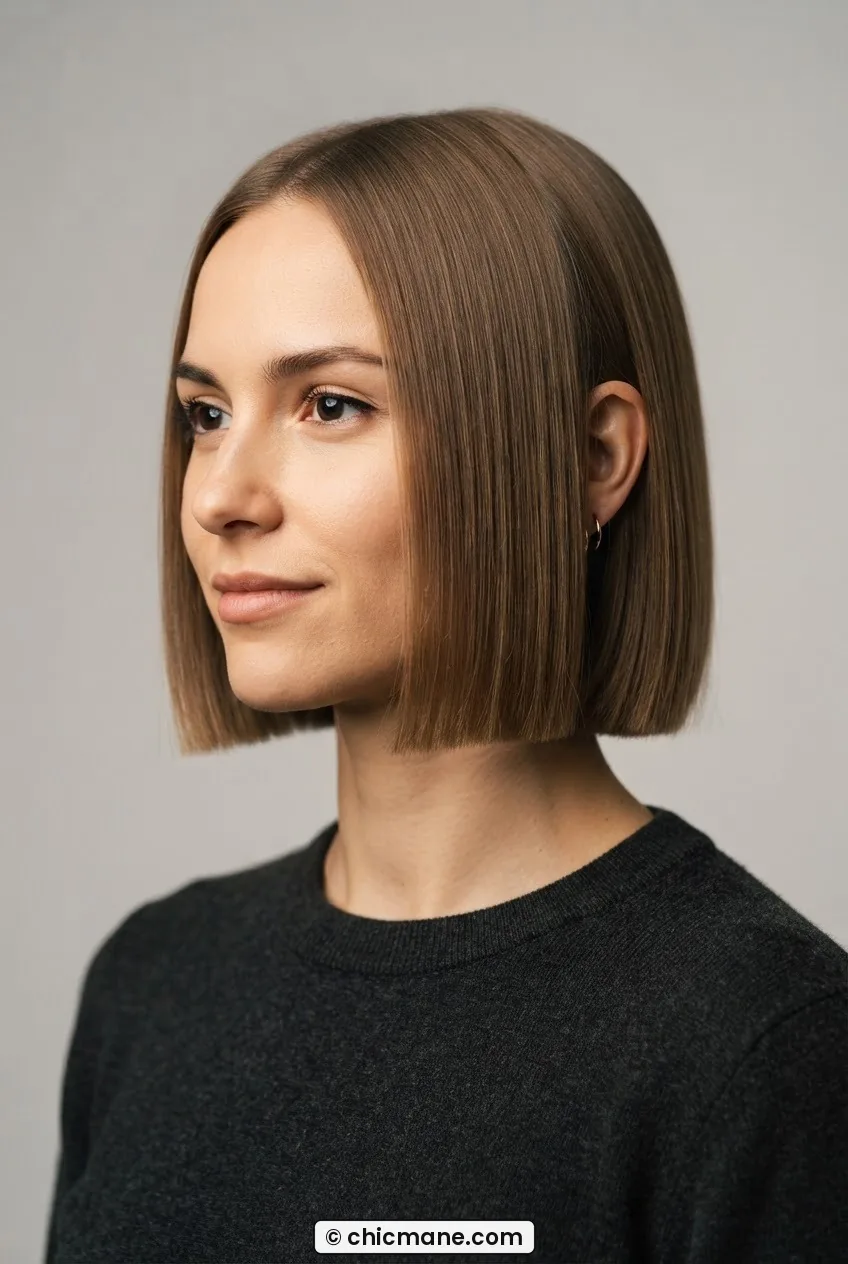
The original power move. A blunt bob that hits right at the jaw is one of those cuts that photograph beautifully from every angle — see how it hits just below her jaw in the image here, creating that perfect horizontal line that makes the neck look longer. It’s sharp, it’s clean, and it works whether you wear it sleek and pressed or with a little wave. If you want to try this one at home first with a shorter starting point, this guide on how to do a short bob on short hair is genuinely useful for understanding the technique.
6. The Stacked Bob
Graduated at the back so it creates a curved, rounded silhouette when you look at the profile. More volume, more movement, more drama than a blunt cut. The stack is built into the back through layering, which means even fine hair gets that full, rounded shape without any product trickery. I went through a stacked bob era in my mid-twenties and I still think about it fondly.
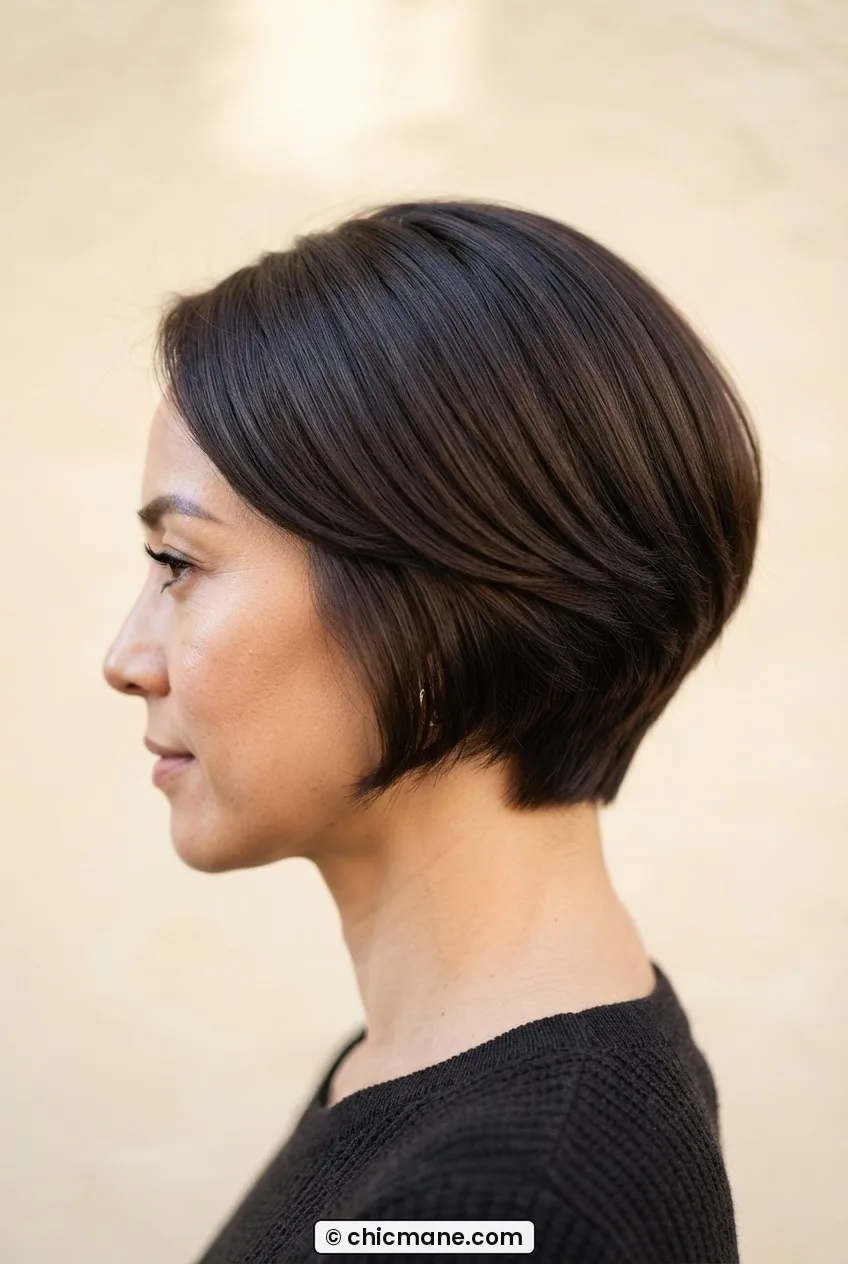
Personal pick: if I had to choose just one cut from this entire list and wear it forever, it would be the stacked bob. It does something incredible to the back of your head — you won’t even see it, but everyone else will. My stylist once called it “the cut that dresses itself” and she was not wrong.
7. The Wavy Chin-Length Lob
Technically on the longer end of this band but still firmly jaw-length territory. Soft waves here look completely different from soft waves on longer hair — more structured, more intentional. You can get this with a flat iron technique or even overnight braids if you’re trying to avoid heat. The loose wave keeps it from feeling too severe without sacrificing that deliberate, chopped look.

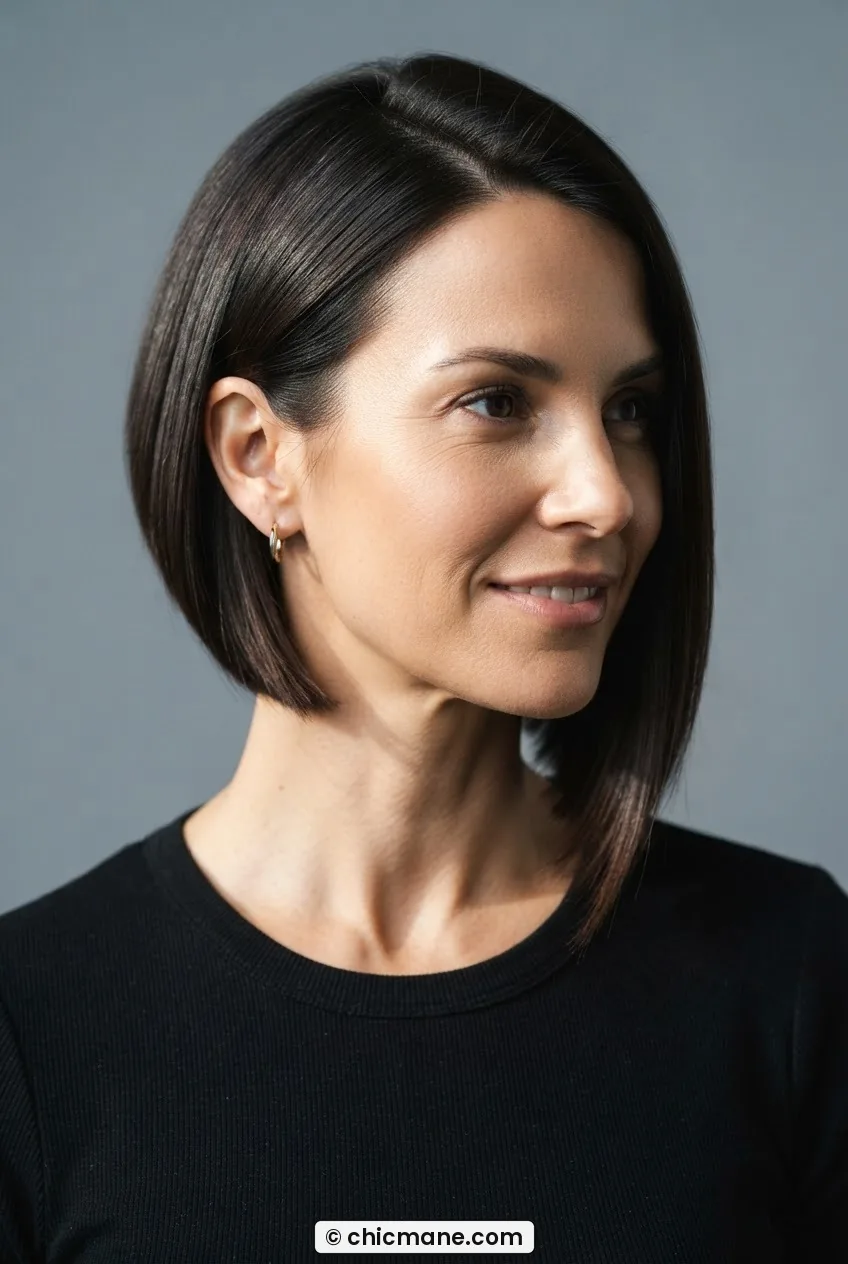
8. The Asymmetric Bob
One side longer than the other. It sounds like a styling trick but it’s a real haircut — the asymmetry is built in. This one plays beautifully with face shape. A longer piece on one side draws the eye diagonally across the face, which is flattering on almost everyone. Look at the angle she’s working in the photo — that longer piece is doing a lot of very quiet, very intentional work.
Collarbone
The collarbone zone is where short hair starts flirting with medium length. These cuts graze or just touch the collarbone — and they are, without question, where the most versatility lives. You can do a proper updo here. You can do half-up styles. You can do braids that actually hold. If you’re nervous about going short, this is your entry point. For a broader look at how hairstyles move from crop territory all the way down, I love this roundup of hairstyle ideas from crop to waist — it really puts the full spectrum in context.
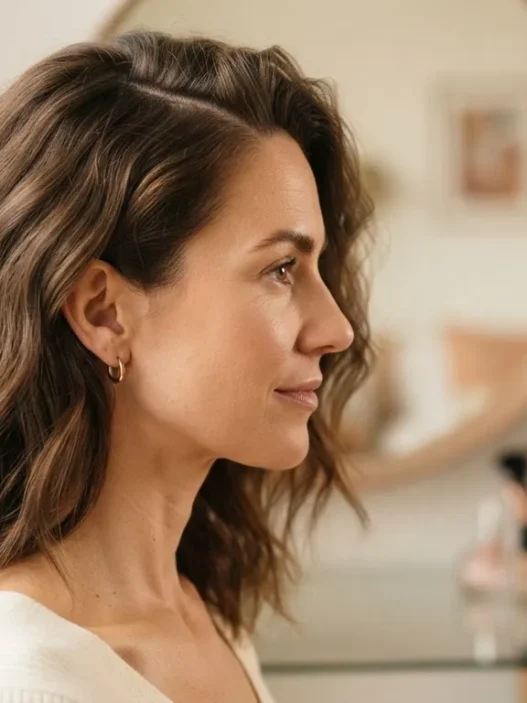
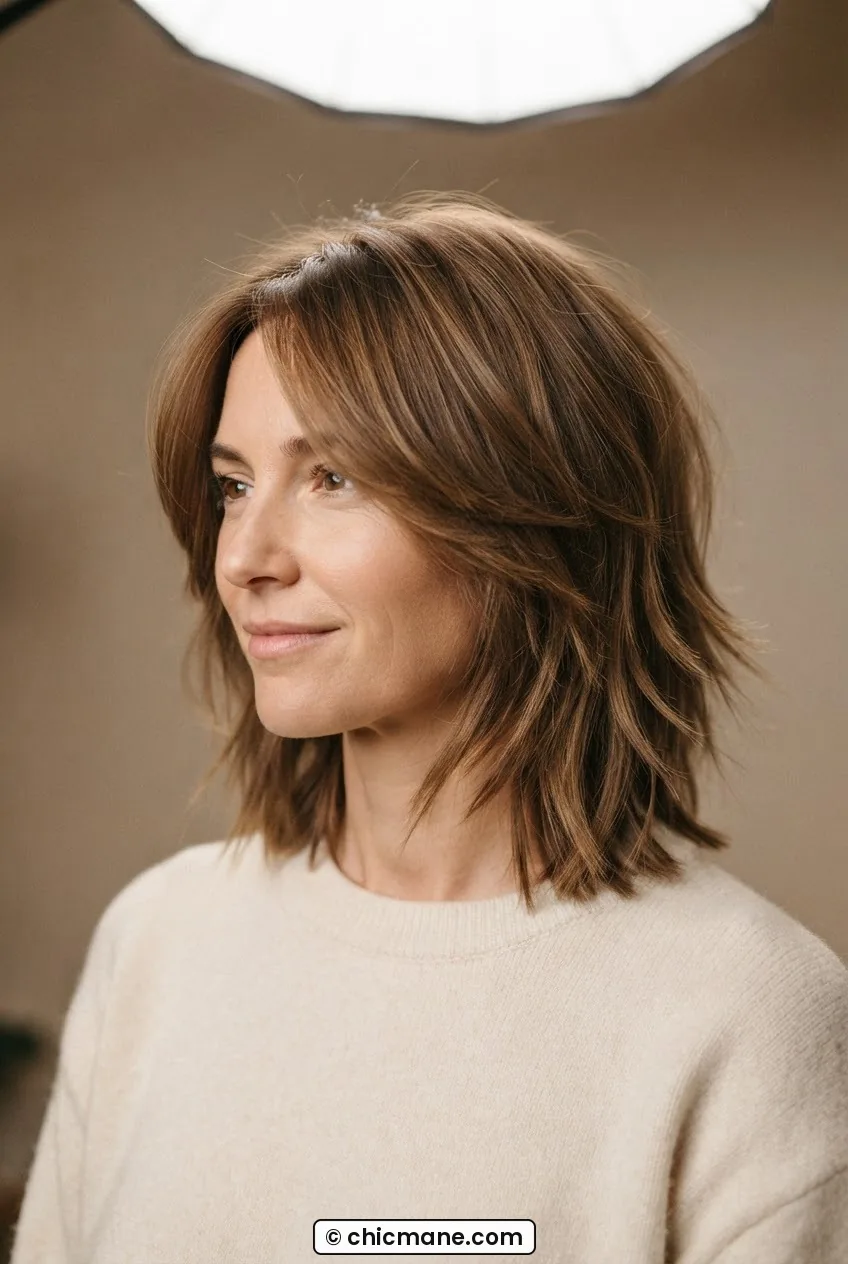
9. The Layered Collarbone Cut
Layers at collarbone length do something magical — they remove weight, create movement, and make hair look thicker and healthier at the same time. This is a great option if you have naturally fine hair and you’ve been nervous about going shorter because you’re worried it’ll look flat. Layers at this length actually give you more body than you’d get leaving it blunt and heavy. The image below shows exactly the kind of layering I mean — see how the ends fan out and move?
10. The Curtain-Bang Collarbone Cut
Curtain bangs and a collarbone-length cut is a combination that has earned its moment because it genuinely works. The bangs frame the face softly while the length below the collarbone keeps everything balanced — not too heavy at the top, not too bare at the bottom. It’s a look that photographs like you planned it, even when you didn’t. You can also check out some quick ways to style this length on days when you just need it out of your face in this collection of open hairstyles you can pull off in five minutes.

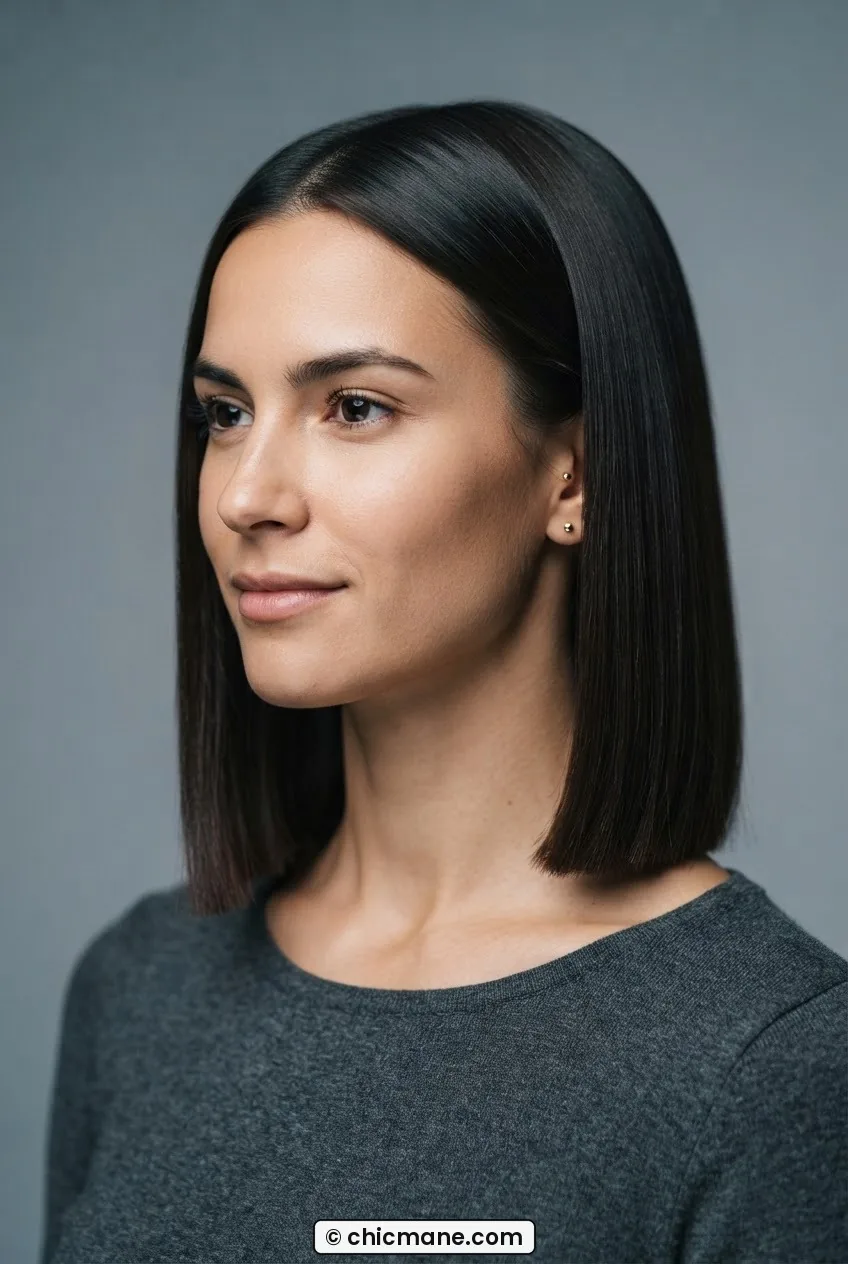
11. The Blunt Collarbone Lob
Same energy as the jaw-length blunt bob, just dropped down a few inches. The bluntness at collarbone level feels a bit more relaxed, a bit less severe — which some people prefer. It’s also significantly easier to maintain between salon visits because the blunt line grows out more gracefully than tapered cuts do. A good gloss treatment keeps the ends looking intentional rather than grown-out at this length.
Past the Shoulder
Technically this is the edge of what most people call “short” — but I’m including it because so many women in the grow-out phase land here and feel stuck, not quite long, not quite short. These cuts are worth celebrating for what they are, not rushing through. And if you’re looking for a full breakdown of what’s possible across this whole range, this list of cute hairstyles for short hair sorted from shortest to longest is one of my favorites to send people.
12. The Shoulder-Length Wolf Cut
Curtain bangs, heavy layers, a shaggy silhouette that breaks all the rules about what “neat” hair looks like. The wolf cut has been everywhere for a few years now and it’s not going anywhere — probably because it flatters an enormous range of textures and face shapes. At shoulder length it’s particularly good because you get all that layered volume without the commitment of a shorter version.
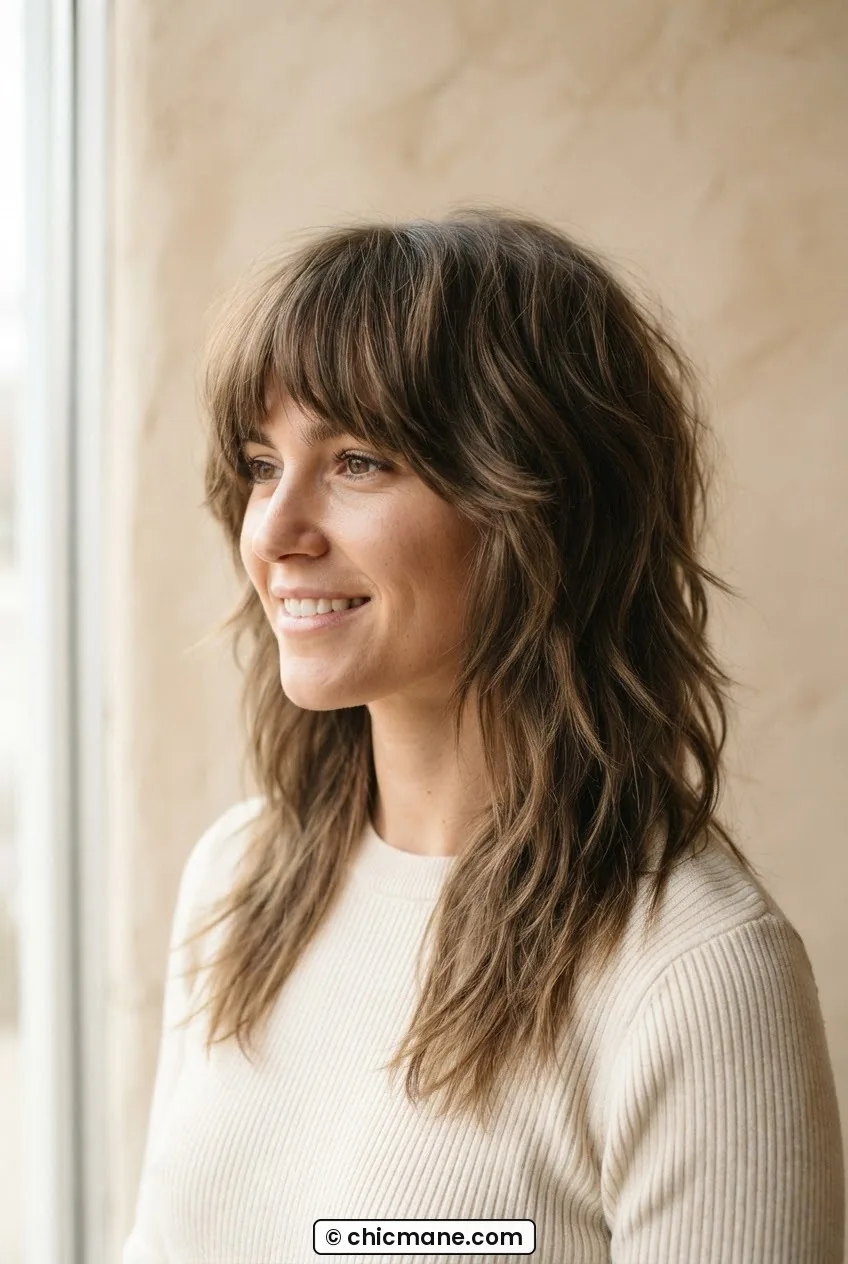
13. The Grown-Out Shag
When a shorter shag or wolf cut has grown out a few inches, it hits this beautiful sweet spot — enough length for a loose half-up, enough layers to keep it from going limp. Don’t fight the grow-out. Lean into it. A few well-placed half-up styles will carry you through this phase looking intentional the whole time.

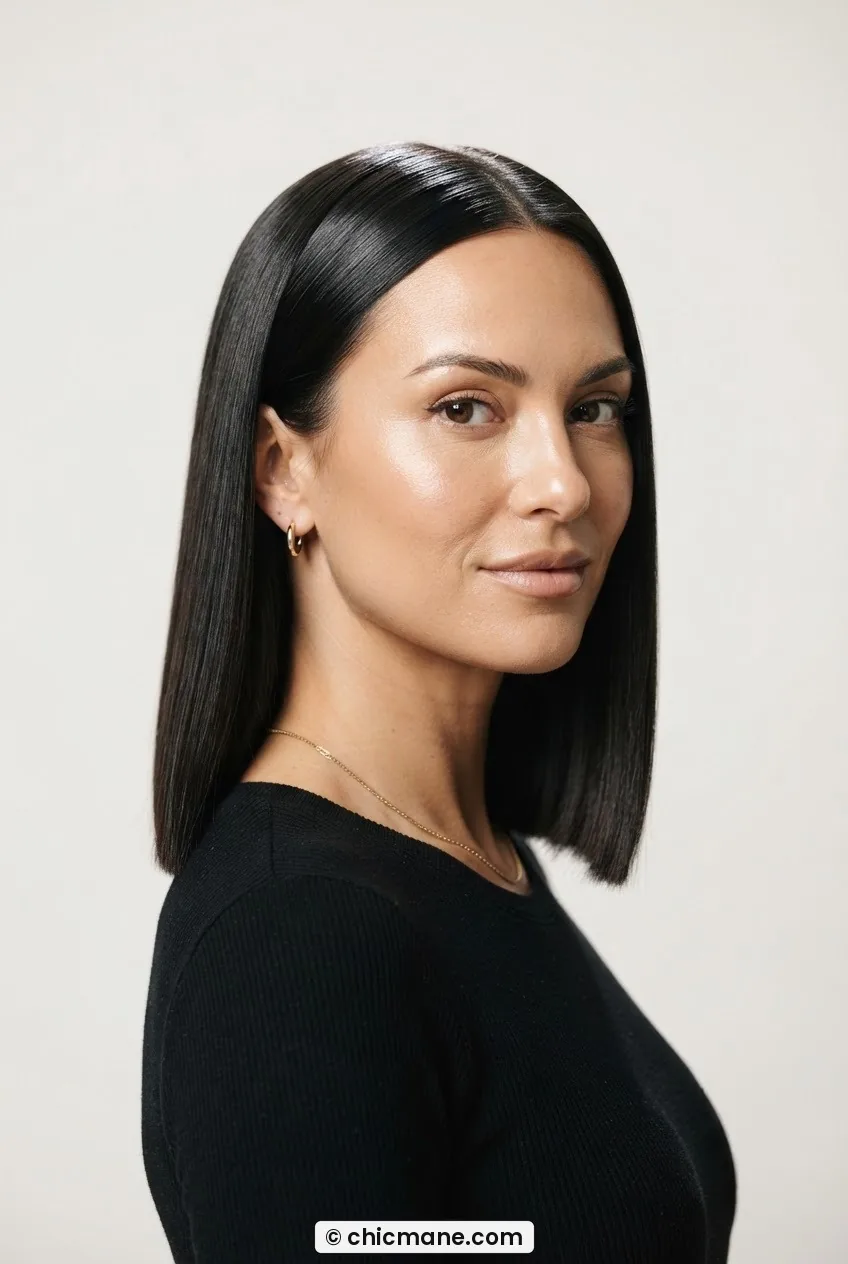
14. The Sleek Straight Past-Shoulder Cut
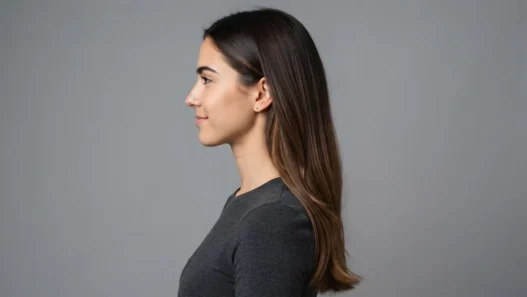
No layers, no texture, no fringe. Just a clean, sleek line just past the shoulder. This one demands healthy ends — split ends show up much more obviously on blunt, straight cuts than they do on textured ones. But when the condition is there, this look has a quietness to it that feels genuinely elegant. Minimal. Confident. The kind of haircut that lets your face do all the talking.
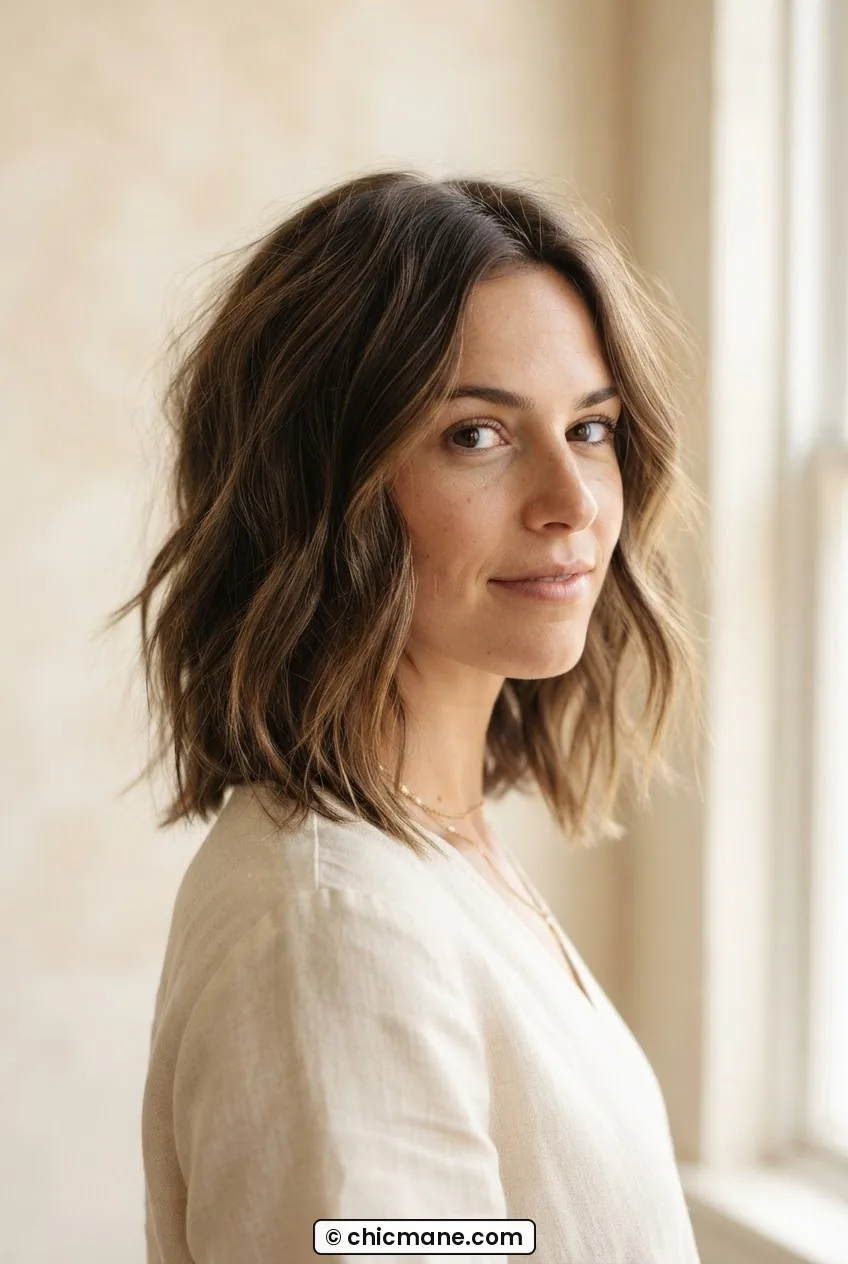
15. The Textured Past-Shoulder Lob
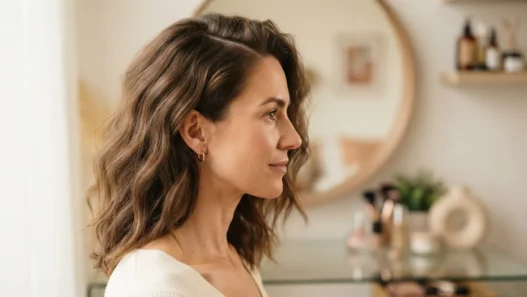
My pick for anyone who says “I want something different but I’m not ready to commit.” A textured lob just past the shoulder is low-stakes in the best possible way. You’re not losing dramatic amounts of length. You’re adding internal movement. And you can style it wavy, straight, half-up, or pinned back with equal success. It’s the safest adventurous choice in the whole list.
Moving Between Lengths Without Regret
Here’s the thing nobody tells you when you’re staring at a pixie on Pinterest at midnight: hair grows about half an inch a month. Which means a pixie becomes a crop in about six weeks. A crop becomes a chin-length bob in three or four months. The whole journey from buzzed to collarbone takes about eighteen months to two years — which sounds long, but goes faster than you’d think, especially if you’re doing regular trims to keep the shape intentional at every stage.
The harder direction is going shorter. That’s a decision, not a process. But I want to push back on the idea that it’s irreversible in a scary way — because every single person I know who has gone short has eventually said some version of “I wish I’d done it sooner.” Not everyone. But most.
What actually helps is finding reference photos within your target length band rather than jumping straight to the end goal. If you’re at collarbone and thinking about a pixie, spend some time at jaw-length first. Get comfortable with the idea that your ears exist. Move through the bands rather than vaulting across them — your hair, and your confidence, will thank you.
And whatever you decide: communicate clearly with your stylist. Bring photos. Point to the specific part of the image you love — the length, the texture, the fringe shape — because “short” means fifteen different things to fifteen different people, as you’ve just seen.
Quick Answers About Short Hair
How do I know which length band is right for my face shape?
Jaw-length and chin bobs tend to be the most universally flattering because the horizontal line can be adjusted to hit the widest or narrowest part of your face depending on what you want to emphasize. If you have a round face, a cut that hits below the cheekbone tends to elongate. Oval faces can genuinely wear anything in this list.
Will short hair make fine hair look thinner?
Often the opposite, actually. Removing length removes weight, and weight is what pulls fine hair flat. A layered collarbone cut or a textured pixie will almost always look fuller than the same fine hair left long. The key is avoiding blunt, heavy cuts that just sit flat — ask for internal layers or texturizing.
How often do I need trims to keep a short cut looking good?
More often than you think. Pixies and crops ideally need a trim every four to six weeks to keep the shape clean — the shorter the cut, the more obvious grown-out sections become. Jaw and collarbone cuts can usually stretch to eight weeks. Budget for this before you commit, because the maintenance cost is real.
Can I still do updos and half-up styles with short hair?
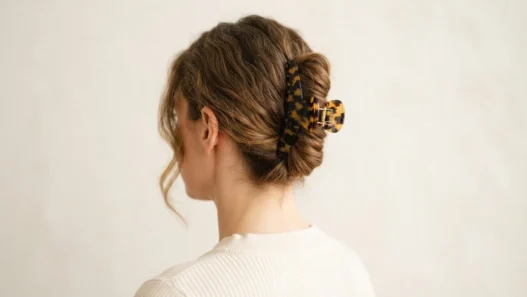
Yes — more than most people expect. Once you’re at collarbone length or even a longer jaw bob, there’s enough to work with for a proper half-up or pinned style. Even pixie-length hair can be styled with clips and pins into something that reads as an updo. It just takes different tools than a long ponytail does.
Whatever length you’re sitting at right now — or dreaming about — I hope something in this list made you feel a little braver about it. Short hair isn’t a sacrifice. It’s just a different kind of confidence. Go get it cut. You can always grow it back — but you’ll probably love it too much to bother.