






I have spent an embarrassing amount of time perfecting a hairstyle only to walk into a room and have someone say, “Oh, did you cut your hair?” — when I absolutely did not. Last spring I started paying closer attention to which of my hair choices actually sparked a comment and which ones just… existed. It turned into an informal little experiment. And honestly, the results were not what I expected at all.
What’s Catching Everyone’s Eye — Jump Ahead
The Look I Expected to Win
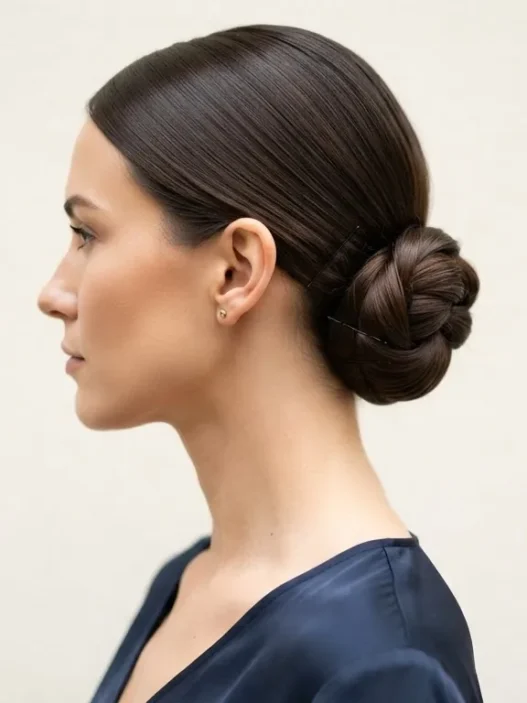
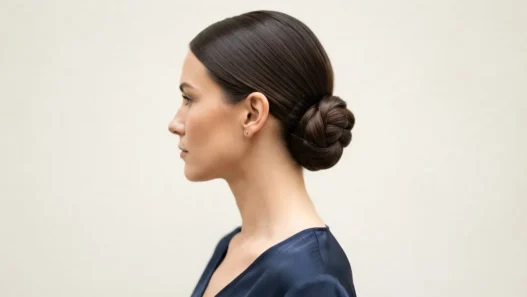
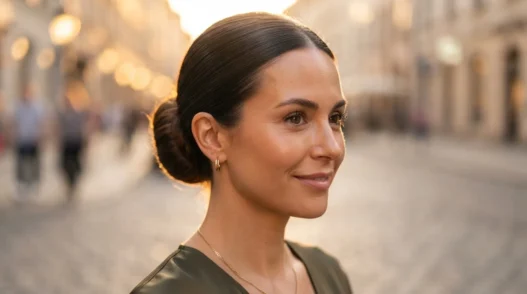
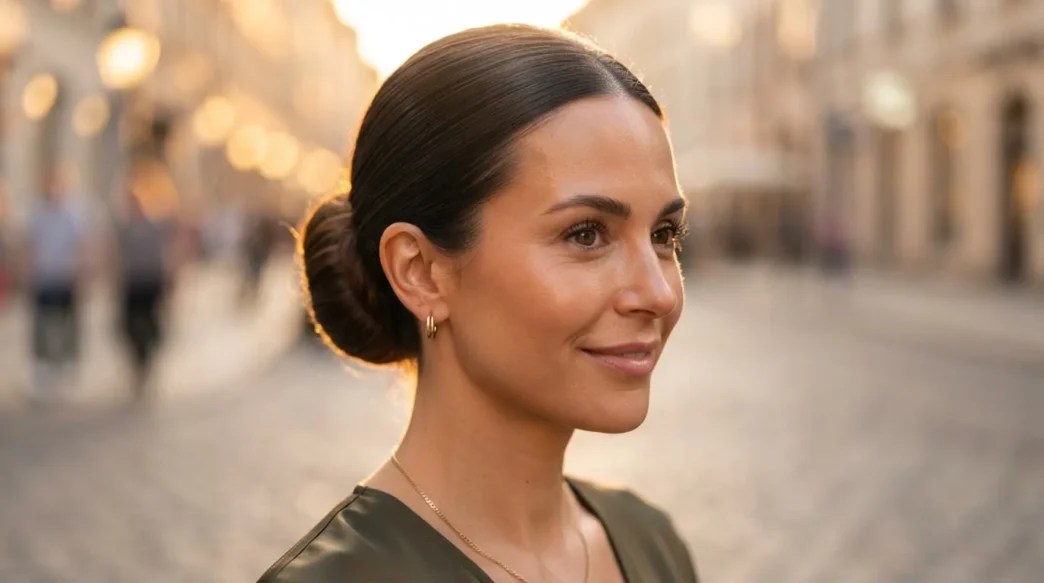
For months I had been quietly obsessed with a sleek, low-bun situation — the kind of thing that looks effortless but takes about forty-five minutes to get right. Smooth, no flyaways, every strand tucked and controlled. I thought it was elegant. I thought it was the hair equivalent of a good blazer. I wore it to a birthday dinner, a work event, and two weekends out and waited for someone to say something. Almost nothing. One friend said it looked “neat.” Neat! I nearly cried.
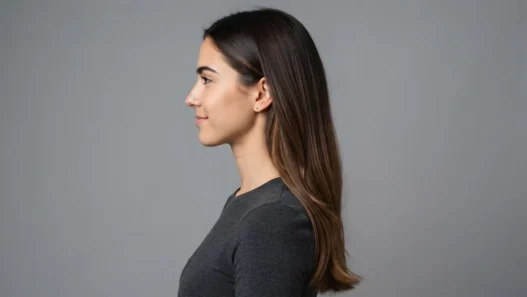
Meanwhile I had also been cycling through a rotation of hairstyles that range from crop to waist length, because I genuinely cannot commit to one aesthetic. Some of those were intentionally styled. Some were genuinely just “I woke up and this is what happened.” Guess which ones got more comments.
The bun was my personal favorite for that stretch of time. I liked how it made me feel — put-together, intentional, like someone who had her life organized. And maybe that feeling is worth something entirely on its own. But I am getting ahead of myself.
What Actually Got Noticed
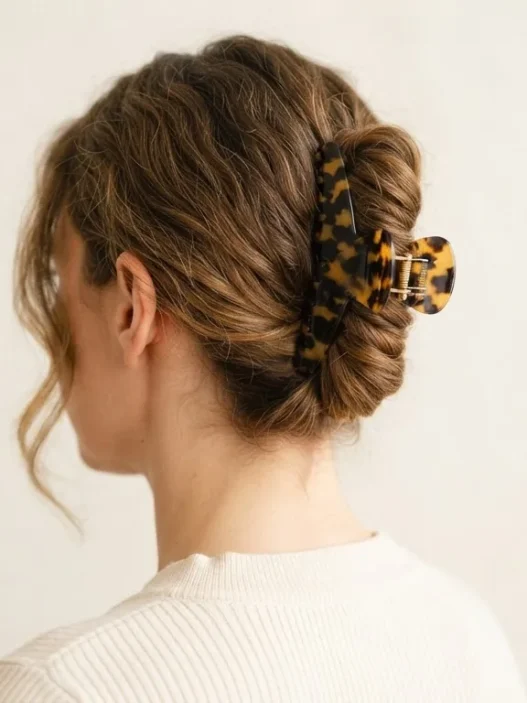
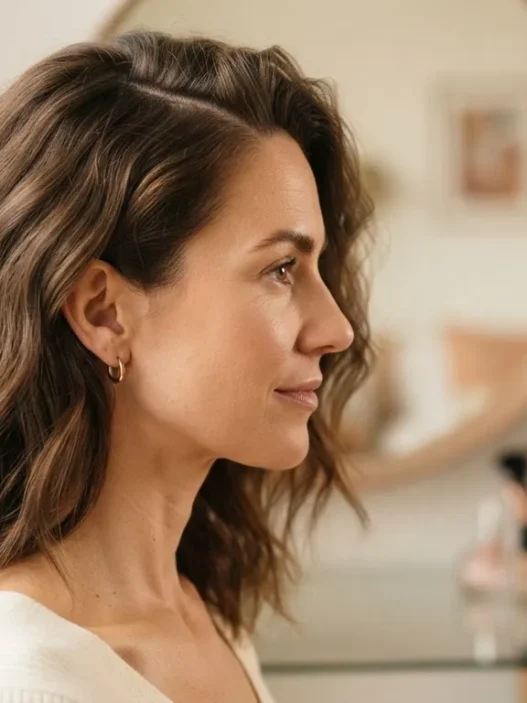
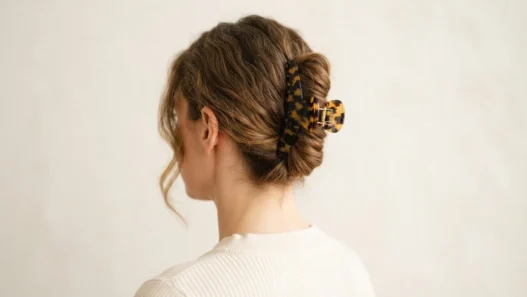
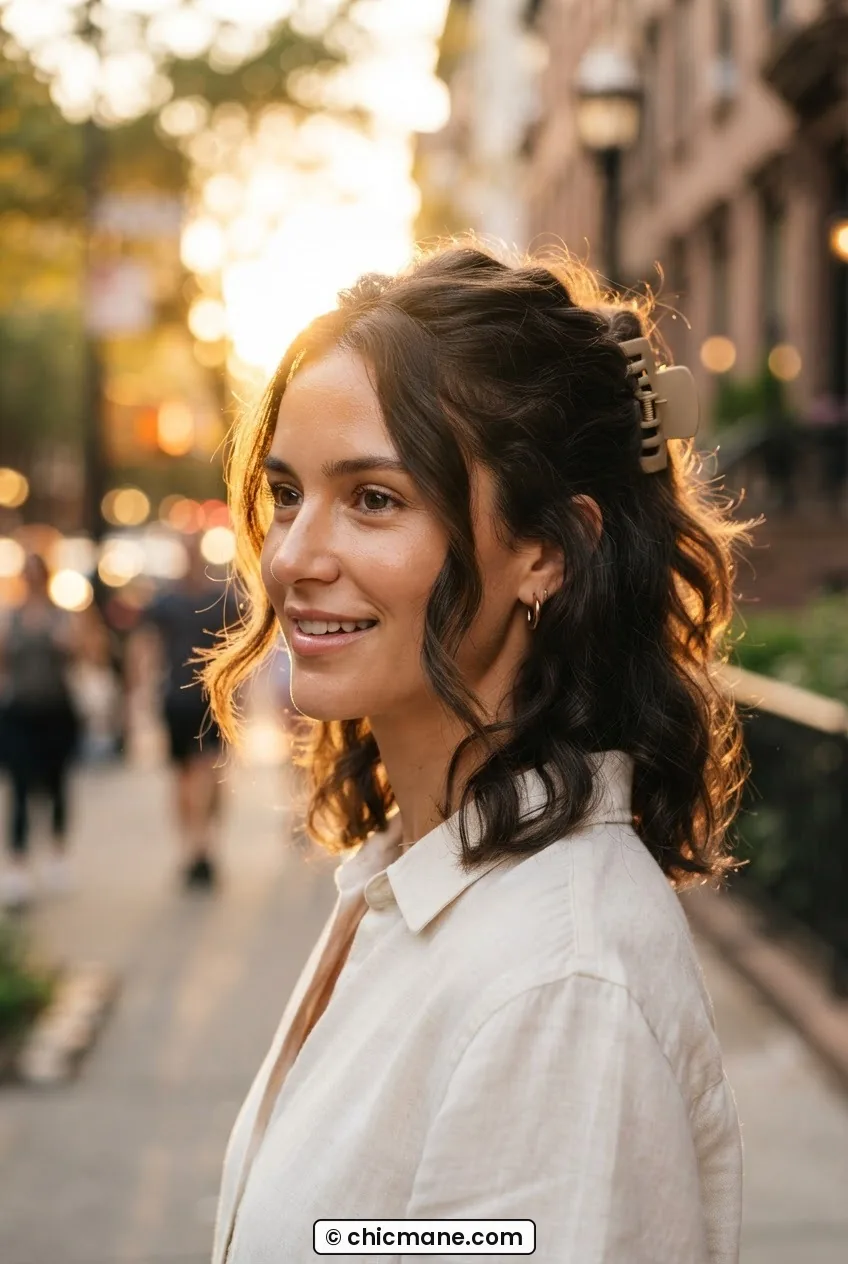
Here is what actually got people talking. A half-up style I threw together in about four minutes on a Tuesday. Loose, a little wavy, two sections pinned back with a claw clip I found at the bottom of my bag. I had not tried. That’s the part that kills me. I genuinely had not tried, and three people commented on it before noon.
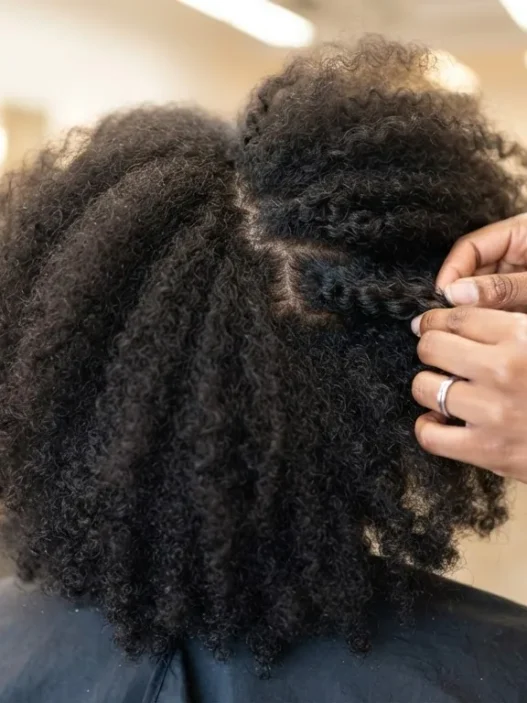
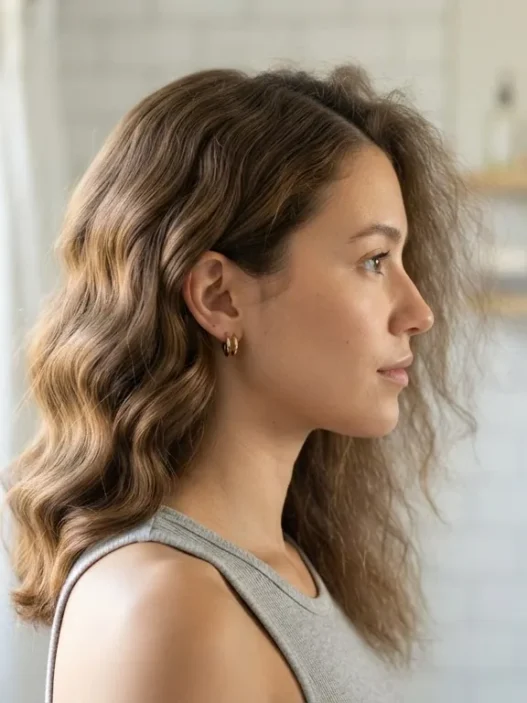
Also noticed: anything with visible texture. Curly styles, wavy styles, hair that looked like it had some personality and movement. This tracks, I think, with what I keep seeing from stylists — that texture reads as vitality. If you’ve been curious about playing with your natural curl pattern, the cute curly hairstyles roundup I’ve linked here is genuinely useful, especially for hair that does what it wants.
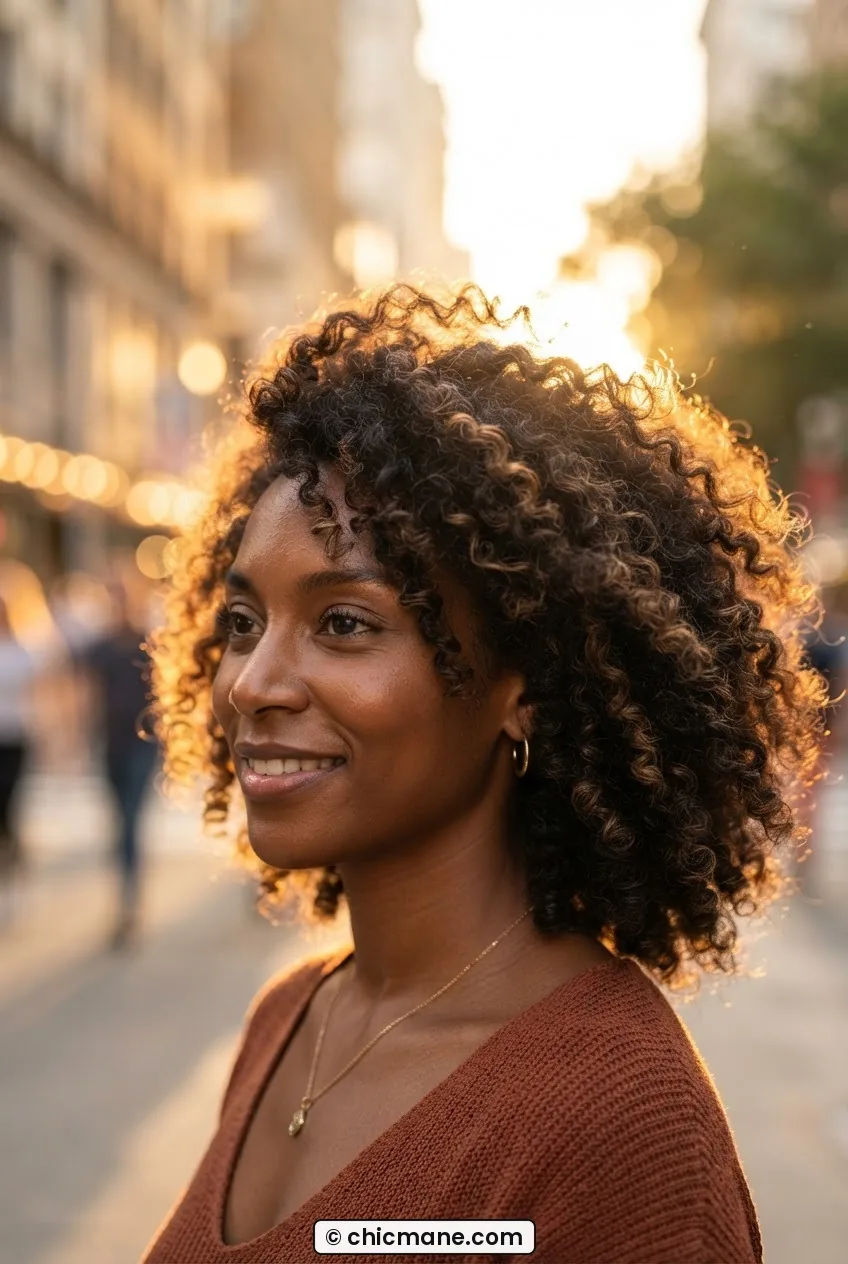
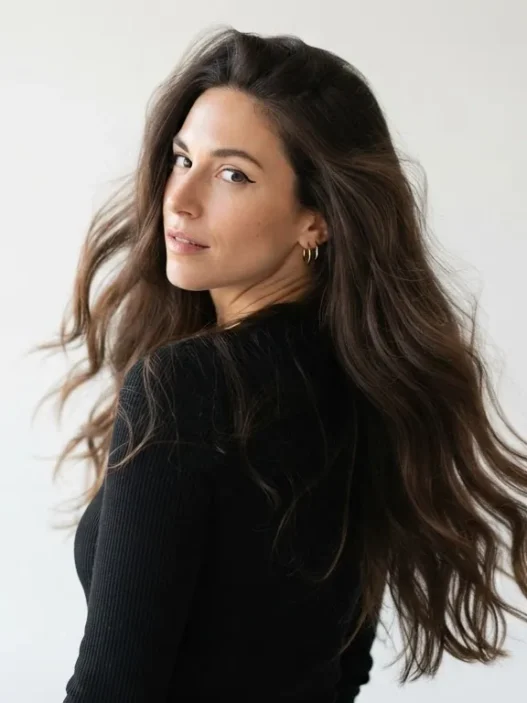
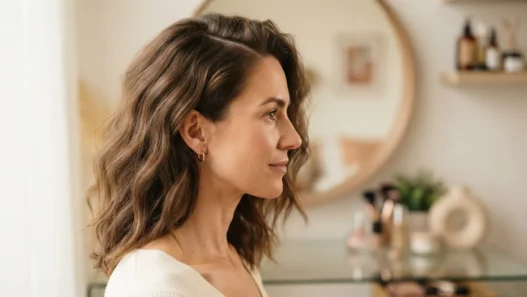
Open hairstyles, too — anything worn down with some movement — consistently pulled more reaction than polished updos. And that is the opposite of what I would have predicted going in. I always assumed the effort was what people clocked. Turns out they clock the feeling, not the labor.
Why the Two Differed
I thought about this for a while. Why would an effortless half-up outperform a carefully constructed bun in terms of raw social feedback? A few theories:
- Movement catches attention first. Hair that shifts when you turn your head is more visually dynamic than hair that stays put. It’s almost involuntary — the eye goes to motion.
- Approachability reads as warmth. Loose, soft styles feel friendlier. People are drawn in. Tight, polished looks can read as cool or closed-off — even when that’s the last thing you intend.
- Unexpectedness matters. If your hair looks the same every Tuesday, nobody notices it on a Tuesday. The half-up surprised people because it was different from my usual. It’s worth checking out what face-framing techniques can do if you want a subtle shift that actually registers.
- Imperfection signals personality. I know this sounds like advice that belongs on a motivational poster, but I genuinely think slightly undone styles communicate something that perfectly controlled ones don’t. They look like they happened because of who you are, not because you read a tutorial.
None of this is scientific. My sample size is basically “people I know” across a few months. But the pattern was consistent enough that I stopped dismissing it as coincidence.
The Styles That Surprised Everyone
Two specific styles stood out as genuine conversation-starters, and I did not see either of them coming.
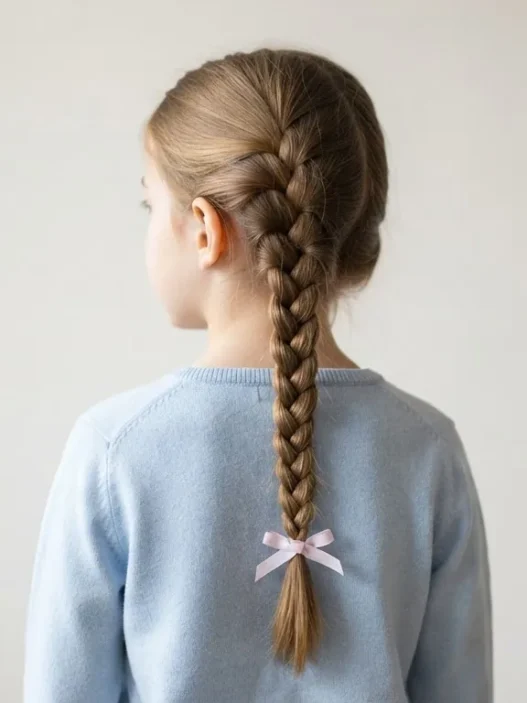
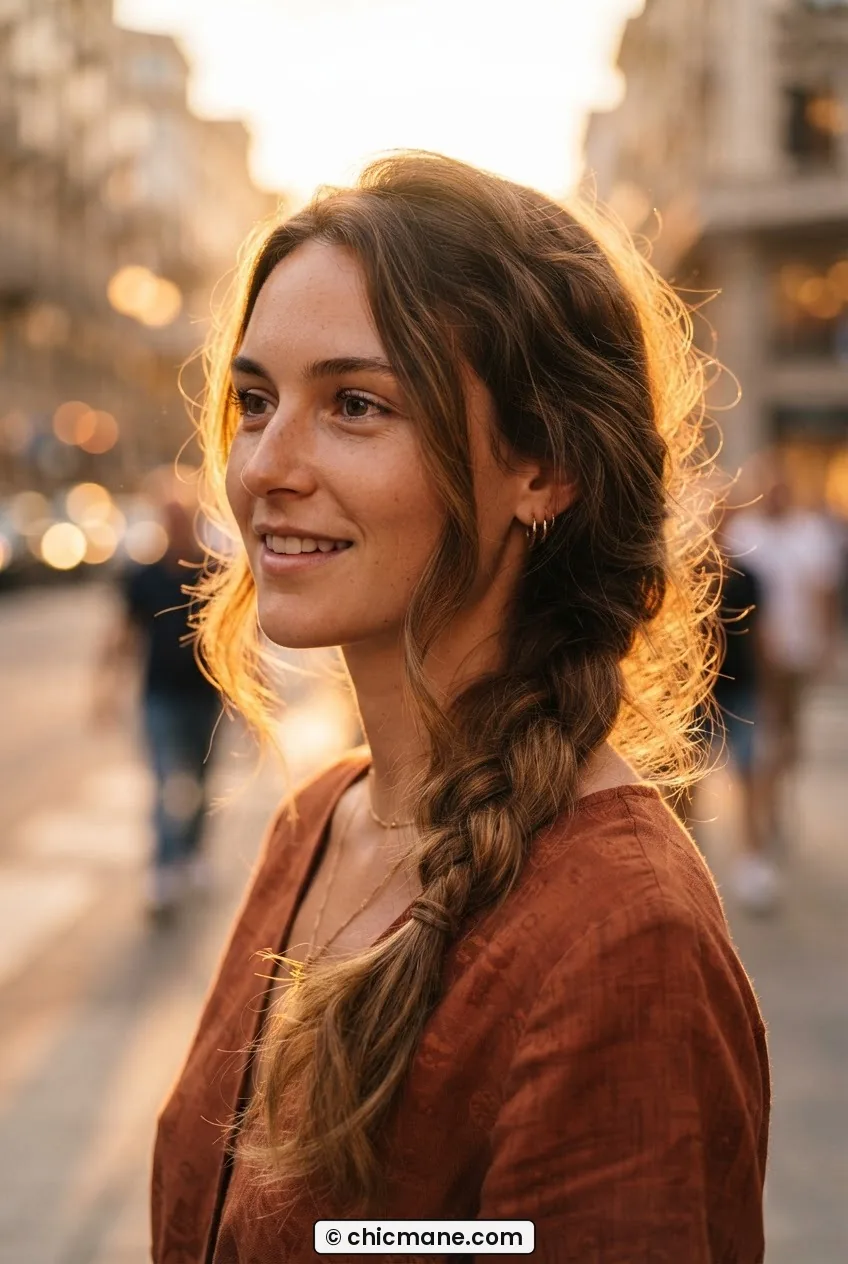
The first was a braided style I wore to a casual lunch — nothing elaborate, just a single side braid swept forward. People asked questions. They wanted to know if I’d done it myself, how long it took, whether my hair was naturally that texture. It was ten minutes of work, total. The response was wildly disproportionate to the effort. If you’re curious about braids with more structure, the resource I keep going back to for this is a braided hairstyles guide that breaks down technique in a way that actually makes sense even if you’re not working on a kid’s hair.
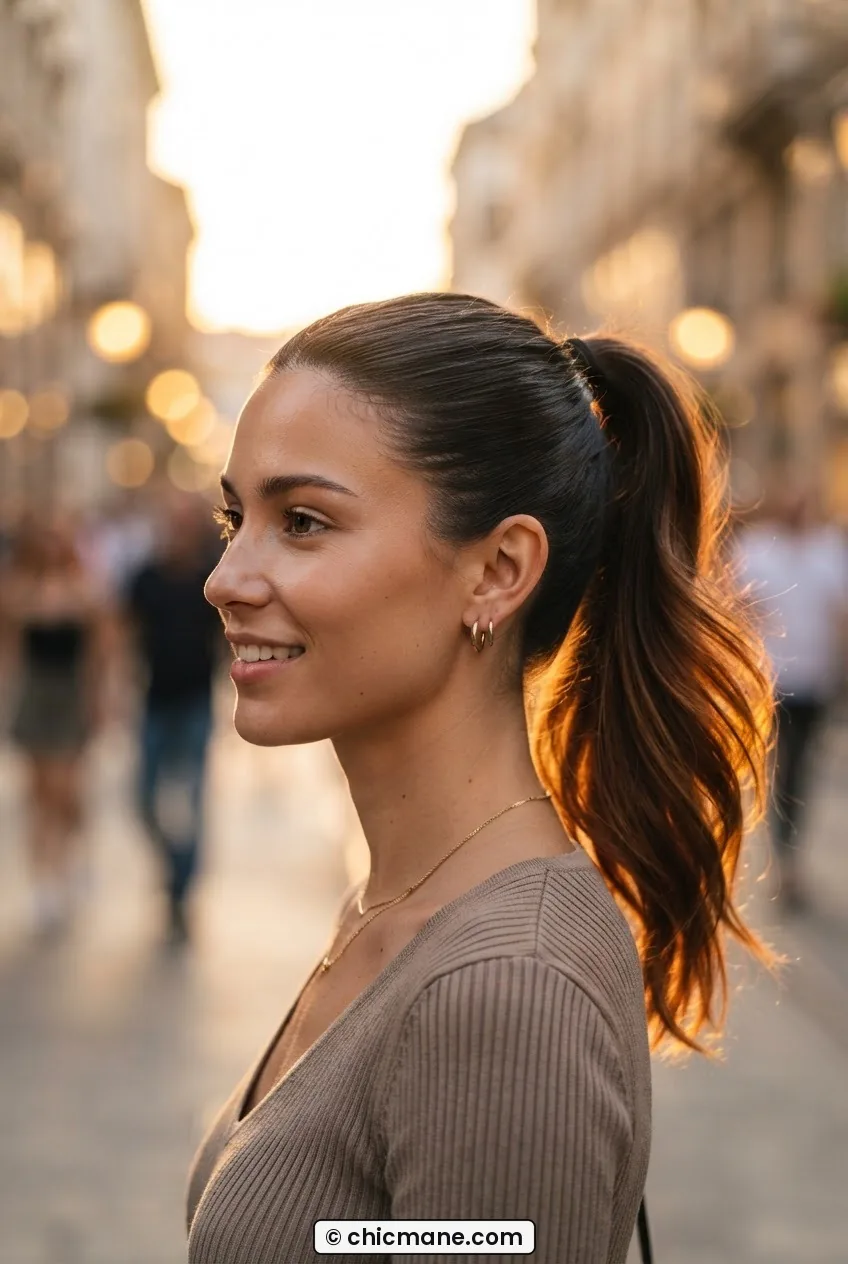
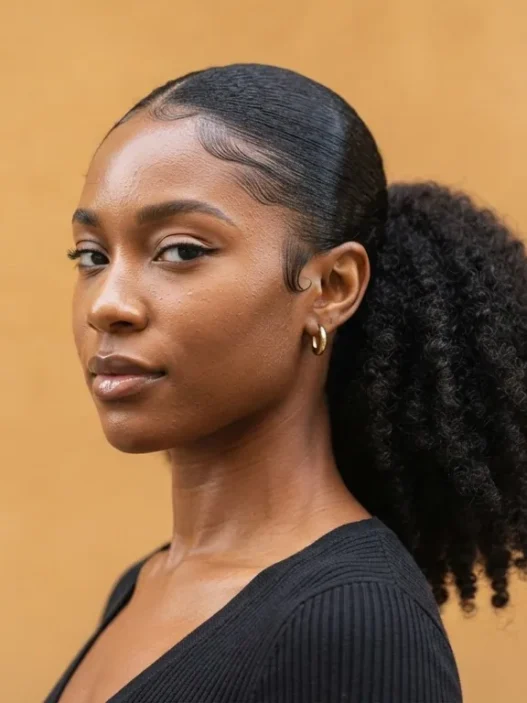
The second surprise was a sporty high ponytail — the kind of thing I associate with gym mornings and running errands, not compliments. I wore it to a weekend market thinking nothing of it and had someone ask if I’d gotten a haircut. I had not. I had just pulled my hair up in a way that felt more intentional than my usual knot. The pony was sleek at the root, loose at the ends. Apparently that reads as cute. Who knew. There is actually a whole story about how sporty styles went from purely functional to genuinely fashionable — the piece on how softball hairstyles got popular again gets into exactly that, and it’s a fun read.
The effortless morning hairstyles angle is real — sometimes the styles that look thrown together are actually the ones that land best.
Which Opinion Should Actually Matter
Here is my slightly controversial take: I think external reactions are genuinely useful information, and pretending otherwise is a little dishonest. When I say “wear what makes you feel good” — which, yes, I believe — I also think it’s worth knowing what’s actually landing versus what you just think is landing. Those are two different things, and both are valid inputs.
The gap between what I loved and what got noticed turned out to be the most interesting data point of the whole experiment. Not because one was right and one was wrong — but because the gap itself told me something.
What it told me was that I was styling for a very specific internal feeling — controlled, polished — and the outside world was responding to a completely different set of signals. That’s not a reason to abandon your preferences. But it might be a reason to hold them a little more loosely, and let the occasional spontaneous half-up moment have its day.
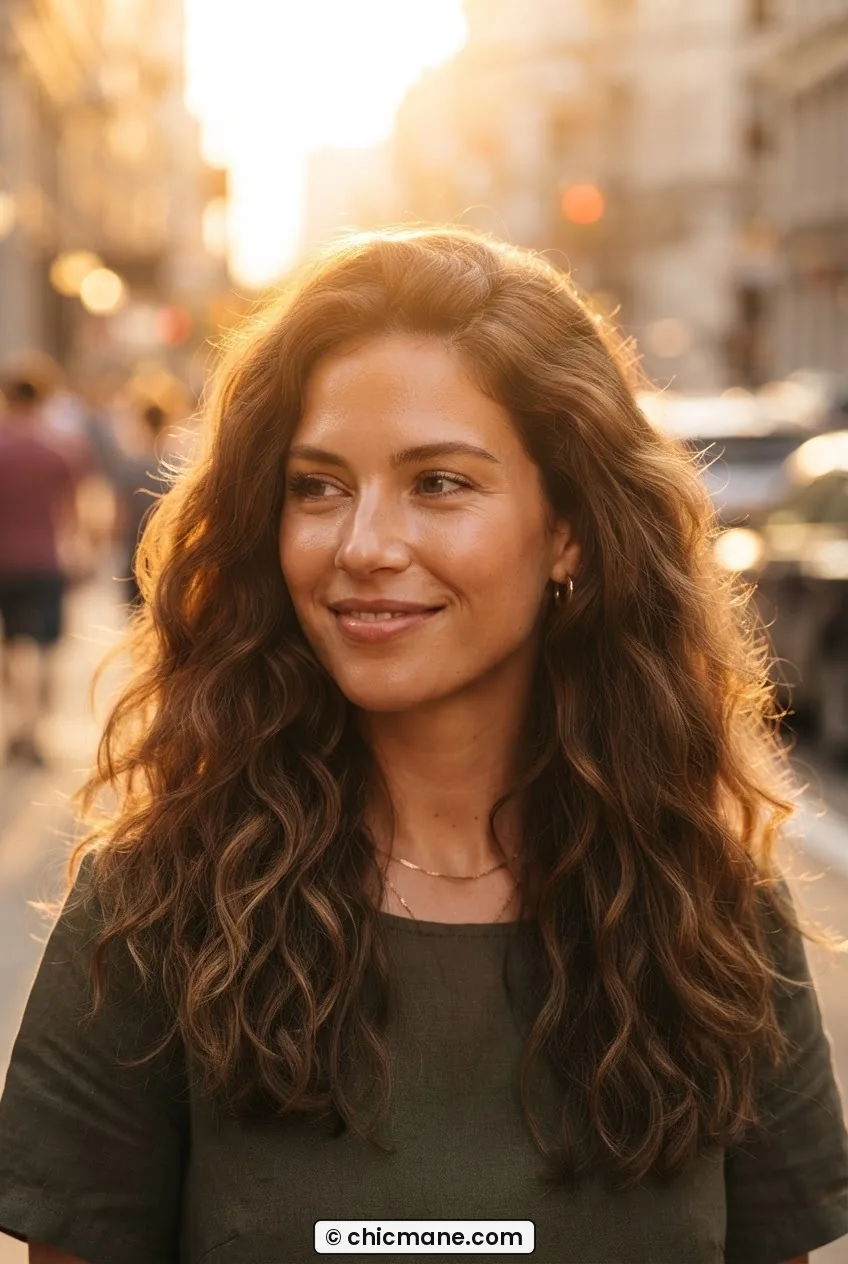
Look at the way she’s wearing her hair in this photo — that soft volume at the crown, the way the ends catch the light. It looks relaxed but considered. That’s exactly the middle ground I’m talking about. Not effortless in the sense of careless, but effortless in the sense of uncontrived.
If you want to experiment without committing to a full new cut or color, the collection of five-minute open hairstyles is a brilliant low-stakes way to try different approaches and see what actually resonates. Some of those options genuinely take less time than my bun setup routine, which honestly says everything.
And whatever you land on — whether it’s the thing that gets the compliments or the thing that just makes you feel right — that is a completely valid reason to do it. The cute hairstyles that win externally and the ones that win internally don’t always overlap. That’s the whole interesting thing.
Quick Answers About Cute Hairstyles
Do cute hairstyles actually need a lot of effort to look good?
Based on my very unscientific experiment — no. Some of the most-noticed looks I wore were genuinely low-effort. What seems to matter more than effort is movement, texture, and whether the style looks like it suits you specifically rather than like you’re following a rule.
Why do some hairstyles get noticed more than others?
Movement and contrast are the big ones. Hair that shifts as you move catches the eye involuntarily. And a style that’s different from your usual immediately registers as a change, even if people can’t articulate exactly what’s different. Novelty does a lot of the work.
Should I style my hair for what I like or what other people notice?
Both inputs are worth something, honestly. Your own comfort and confidence matter enormously — but knowing what’s actually landing can be useful information rather than vanity. I’d say use both, and don’t feel guilty about caring what other people see.
What makes a hairstyle look “cute” versus just neat?
“Cute” tends to lean softer, more approachable, a little less controlled than “neat.” Styles with some looseness — a piece or two out of place, visible texture, a sweep that isn’t perfectly symmetrical — tend to read as cute in a way that very tightly controlled looks don’t. It’s personality coming through the hair, basically.
If nothing else, I hope this experiment makes you look at your next “this is fine” hair day a little differently. Sometimes fine is the one that wins. Wear the bun when the bun feels right — and stop apologizing for the claw clip on a Tuesday.