






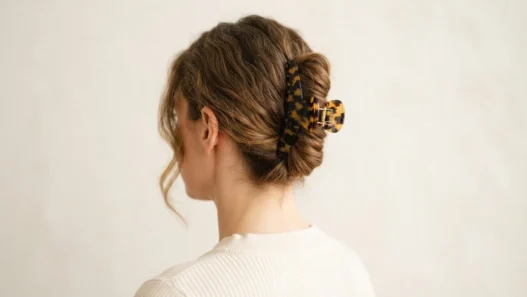
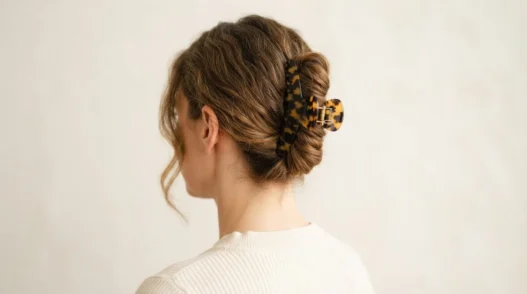
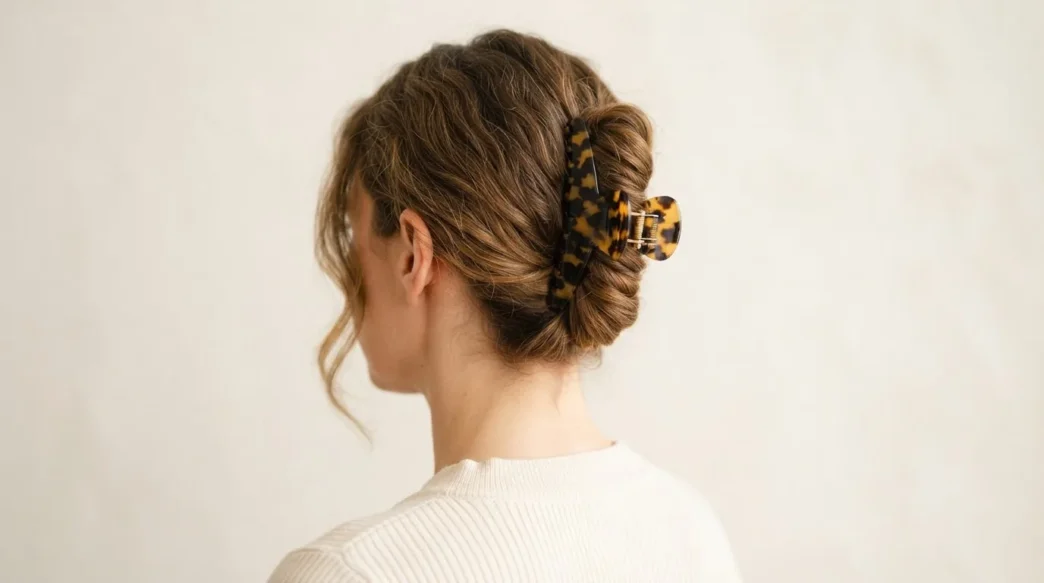
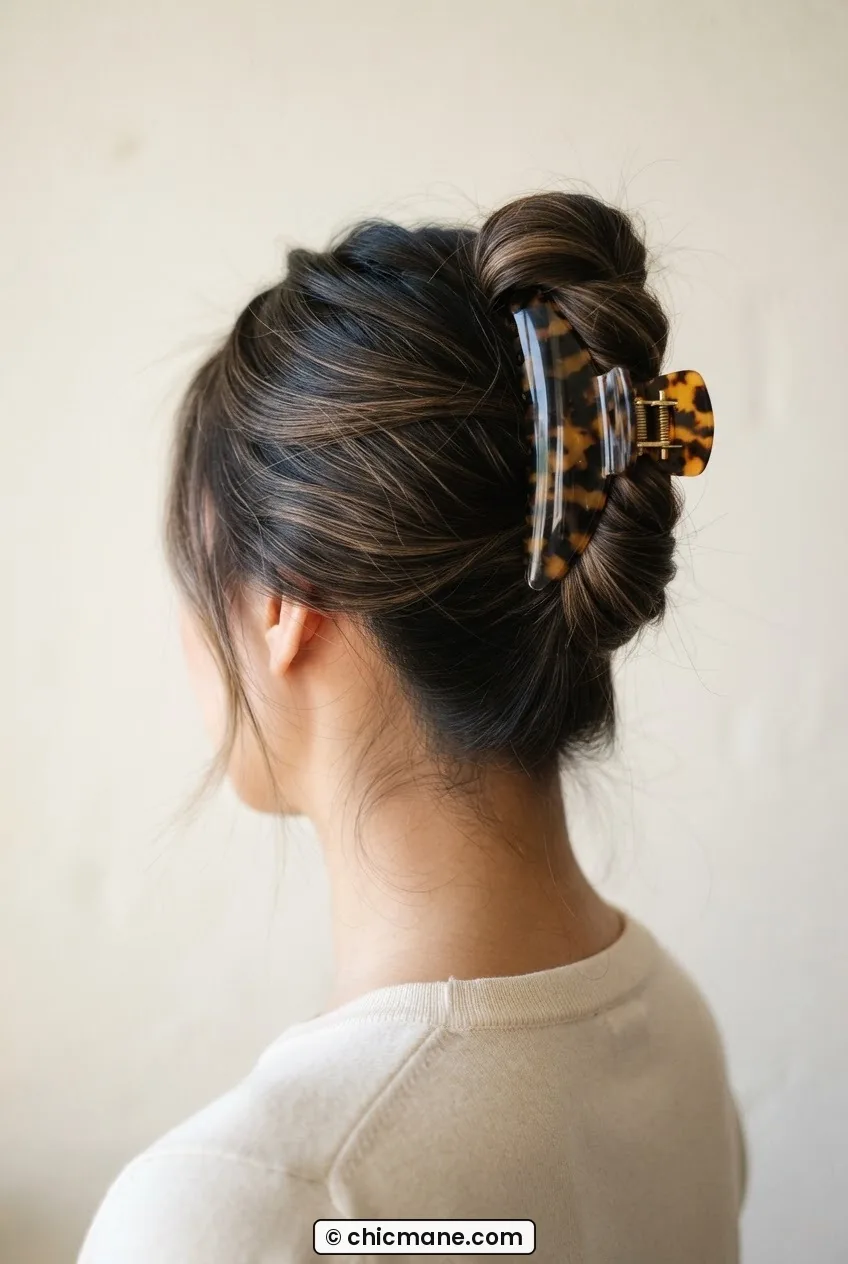
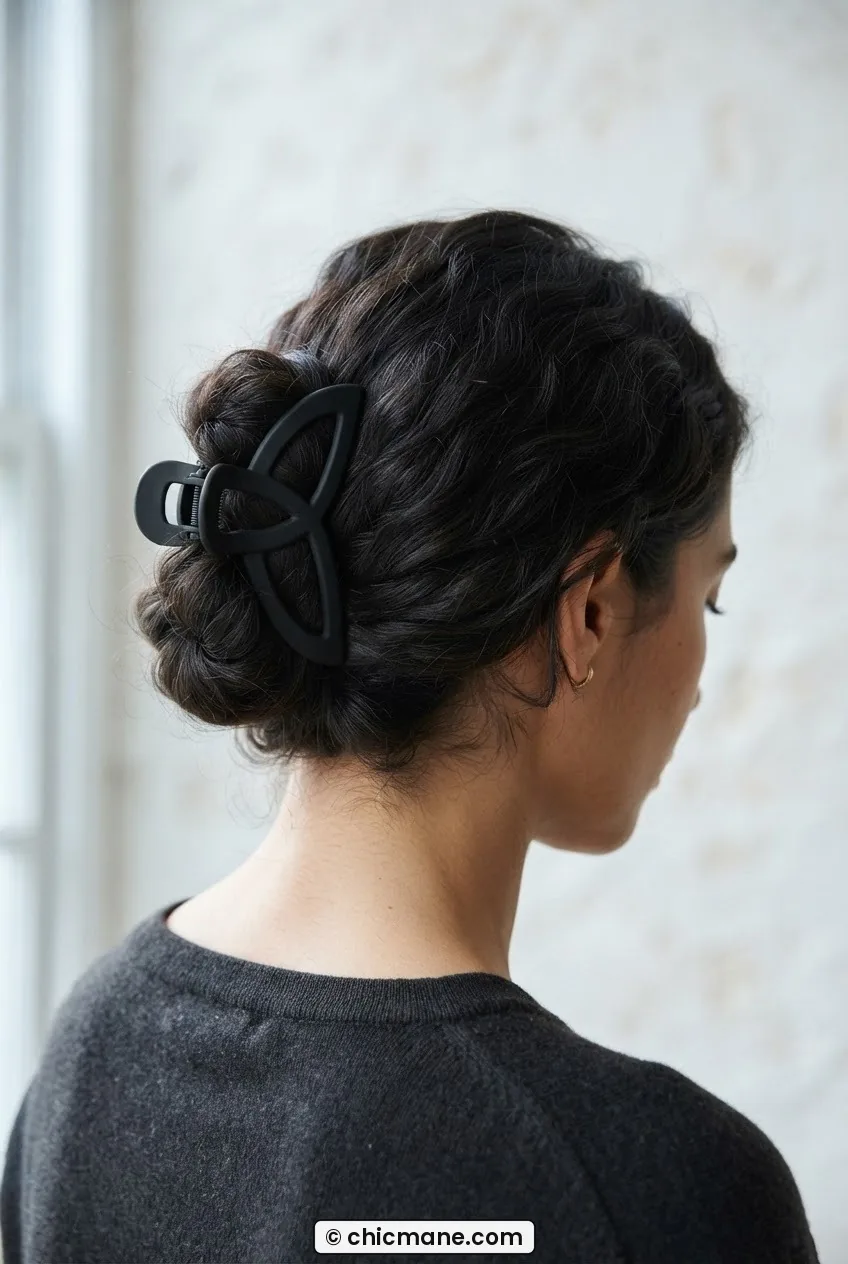
Last Tuesday I woke up late, had approximately eleven minutes to get ready, and without even thinking about it I reached for the pins. Twisted everything up, anchored it with a claw clip, pulled two face-framing pieces loose, and walked out the door. It’s embarrassing how good it looked. I’ve been in a long relationship with updo hairstyles — not a passionate, obsessive one, but the quiet kind where you keep coming back because nothing else actually measures up.
The Morning That Reminded Me Why
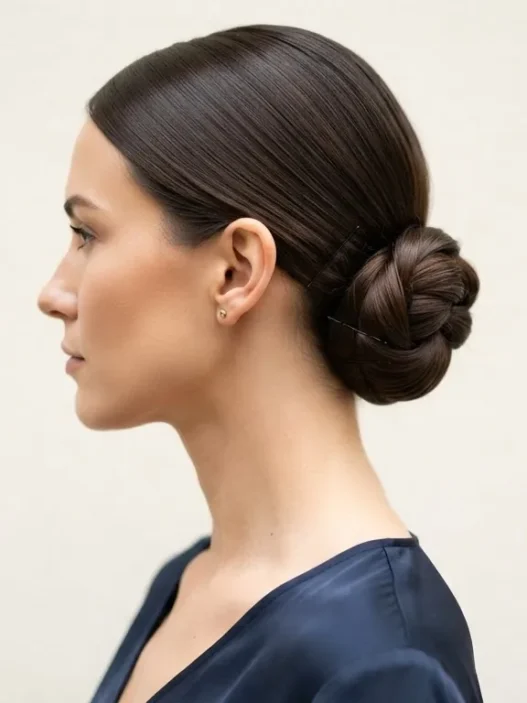
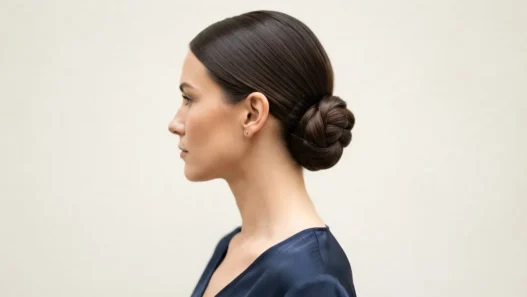
There’s a photo I took that morning — not of me, but of a woman I spotted at a coffee shop I ducked into on the way to work. She was wearing hers in a low twisted chignon, nothing elaborate, a few strands loose around her ears. It looked so effortlessly composed that I stopped walking. That’s the thing about a good updo. It doesn’t look like it tried. And yet it clearly did something — it cleared her face, lengthened her neck, made her earrings actually visible. I wanted to tell her she had the whole thing figured out.
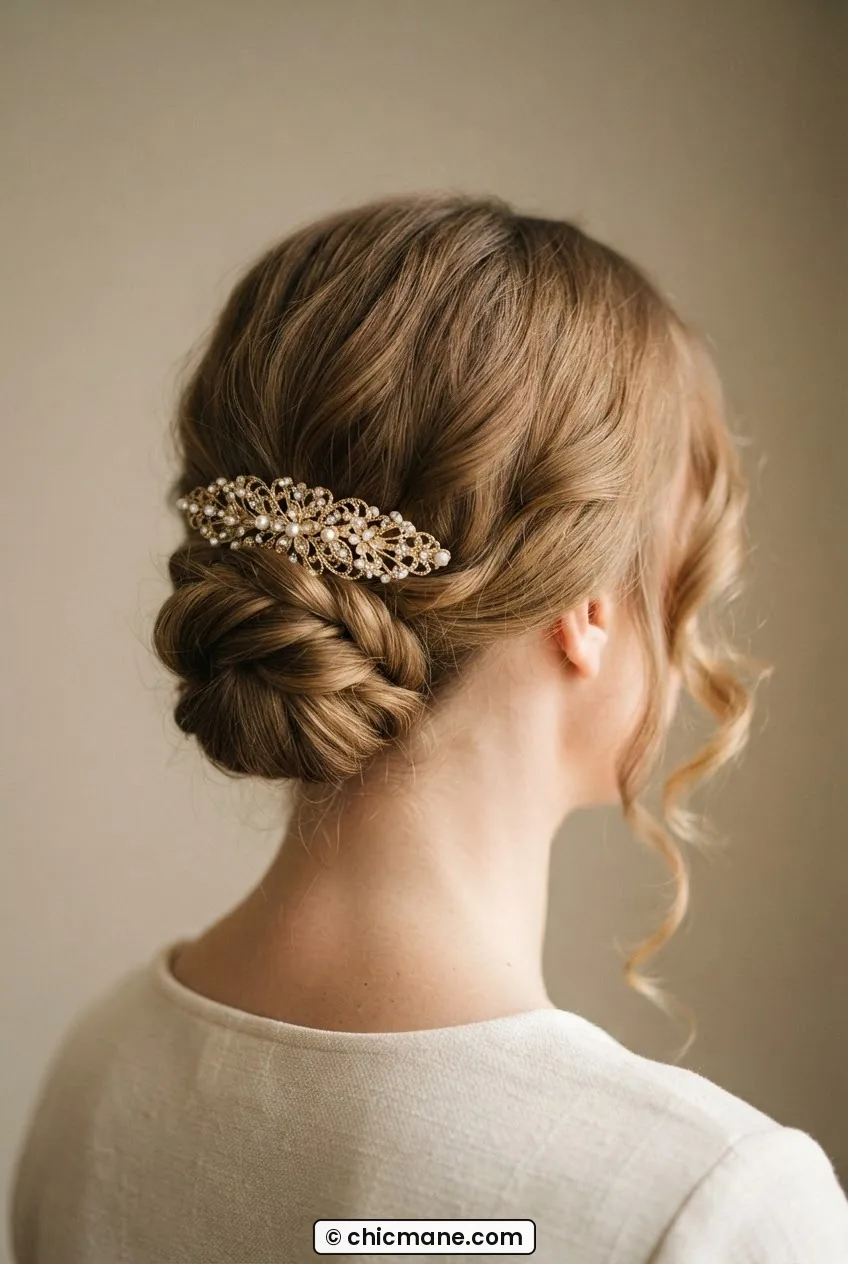
That moment crystallized something I already knew but kept forgetting: the updo is doing real structural work. It’s not a fallback. It’s not what you do when you ran out of time or ideas. When I’m wearing mine well, it’s a choice — a confident, intentional one — and people respond to that even if they can’t name why.
If you’re still thinking of pinned styles as purely practical, I’d gently push back on that. I’ve been exploring what my stylist told me about work hairstyles, and her take was illuminating — the updo reads as polished in professional settings in a way that even a good blowout doesn’t quite achieve.
What It Does for My Face
I have a round face. Not dramatically so, but enough that I’ve spent years chasing hairstyles that supposedly elongate, slim, frame — all that. The honest answer? Most of them don’t do what they promise. A blunt bob makes me look wider. Curtain bangs, while objectively beautiful on the right person, sit on my forehead like a question I never asked. But pull everything up? Suddenly there’s neck. There’s jawline. There’s actual structure.
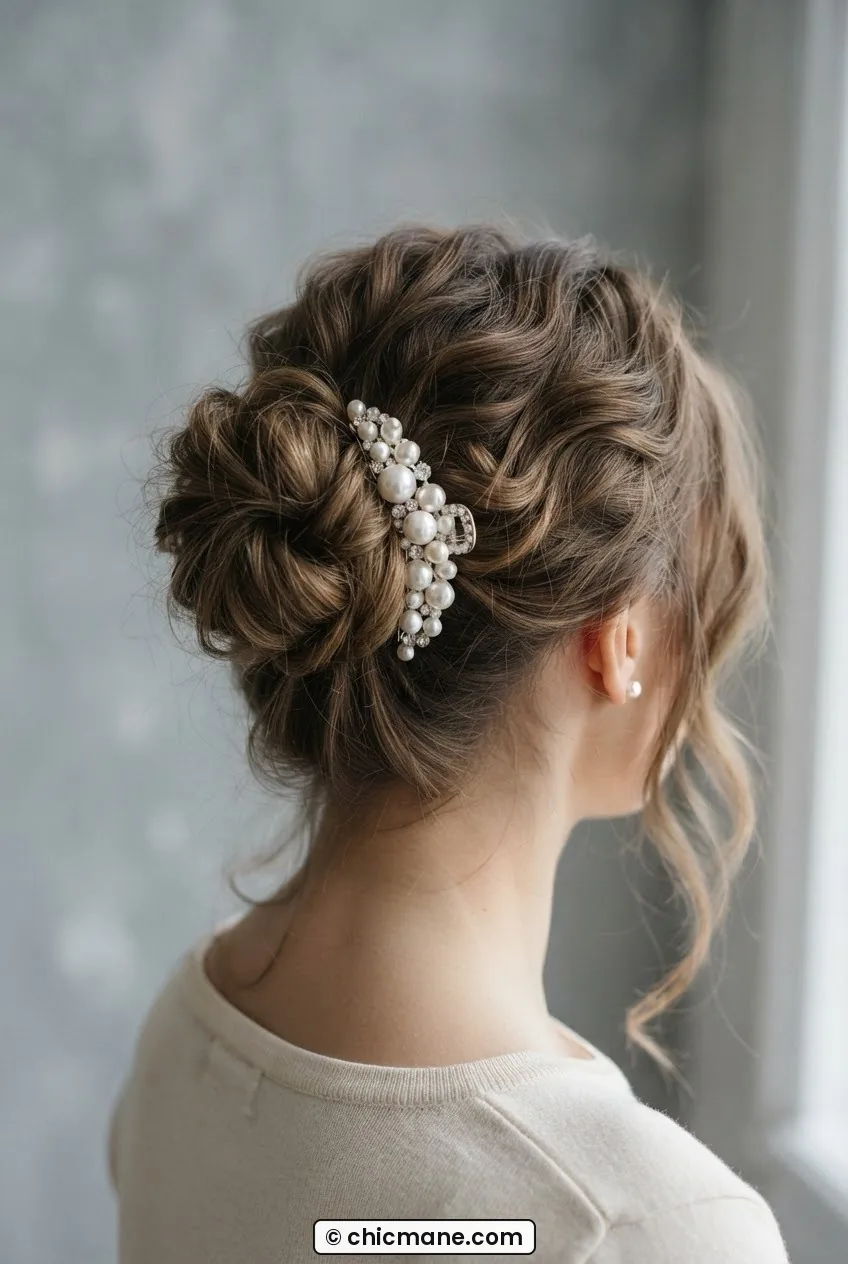
Look at how she’s wearing hers in this shot — that slightly off-center placement creates an asymmetry that softens the whole look while still lifting everything. That’s exactly what I mean. It doesn’t have to be perfect. It just has to create vertical movement where your face wants it.
The face-framing detail is what I keep coming back to tweak. A tight, slicked-back style reads very different from a loose, textured one with tendrils. I spent a while thinking the sleek version was more “done” — and technically it is — but the loose version is more me. The pieces around the face soften things in a way that makes the structure feel earned rather than forced.
The updo didn’t just change how my hair looked. It changed how I held my shoulders — slightly back, slightly taller. I don’t think that’s a coincidence.
How Little It Asks of Me
Here is my honest, slightly controversial opinion: the updo is actually easier than wearing your hair down, and anyone who says otherwise is either using the wrong tools or styling on freshly washed hair. Both are fixable problems.
Fresh hair is slippery. Grippy second-day or third-day hair? It practically pins itself. This is the number one thing I wish someone had told me earlier. The updo rewards a little texture, a little lived-in quality. And the tools list is genuinely short:
- A good claw clip (the thick acetate ones, not the thin plastic ones that snap)
- A few bobby pins that actually match your hair color
- Light-hold hairspray for flyaways — not the helmet kind
- Optionally, a texture spray if your hair is very fine or freshly washed
That’s it. No diffuser. No round brush. No heat damage accumulating quietly over months. I’ve become a little evangelical about this because I genuinely think the styling world oversells complexity. You don’t need a seventeen-step routine. You need four good tools and a hair texture that isn’t fighting you.
If you’re curious about building a quicker morning routine around styles that actually hold up, I’d point you toward some of these five-minute open hairstyle options — they pair beautifully with a quick half-up version when you want something in between fully down and fully pinned.
A Tutorial That Proves How Simple This Really Is
The Experiments That Sent Me Running Back
I want to be fair to the styles I’ve tried. I’ve genuinely given them real time, not just a week. I spent about four months last year leaning hard into wearing my hair down — full blowouts, heatless curl methods, even some braiding techniques I picked up from a detailed kids’ braided hairstyles guide that translates surprisingly well to adult hair. And I liked some of it! But here’s what kept happening:
By noon, I was touching my hair constantly. By 2pm, I was pulling it back. By 4pm, I had it in a clip anyway. So I was doing the updo regardless — just later, and with a half-day of fussing behind me. Once I noticed that pattern, it seemed ridiculous to keep fighting it.
The braided phases were genuinely fun. I still do them occasionally — there’s something satisfying about learning a proper French braid and actually nailing it. But they’re an event for me, not a default. The updo is the default. And I think that’s fine. Not every style has to be an adventure.
The heatless curl experiment was the most educational failure. I’d prep everything beautifully the night before, sleep on it, wake up looking incredible — and then by the time I arrived at work the curls had drooped into something resembling a sad wave. It turns out my hair has very firm opinions about what it will and won’t hold, and loose curls are apparently non-negotiable. The updo doesn’t negotiate. It just stays.
The Times I Left It
I want to be honest about this, because I think the narrative of “I found my signature look and never wavered” is mostly a lie people tell to seem decisive. I’ve left the updo. Multiple times. Usually for one of three reasons:
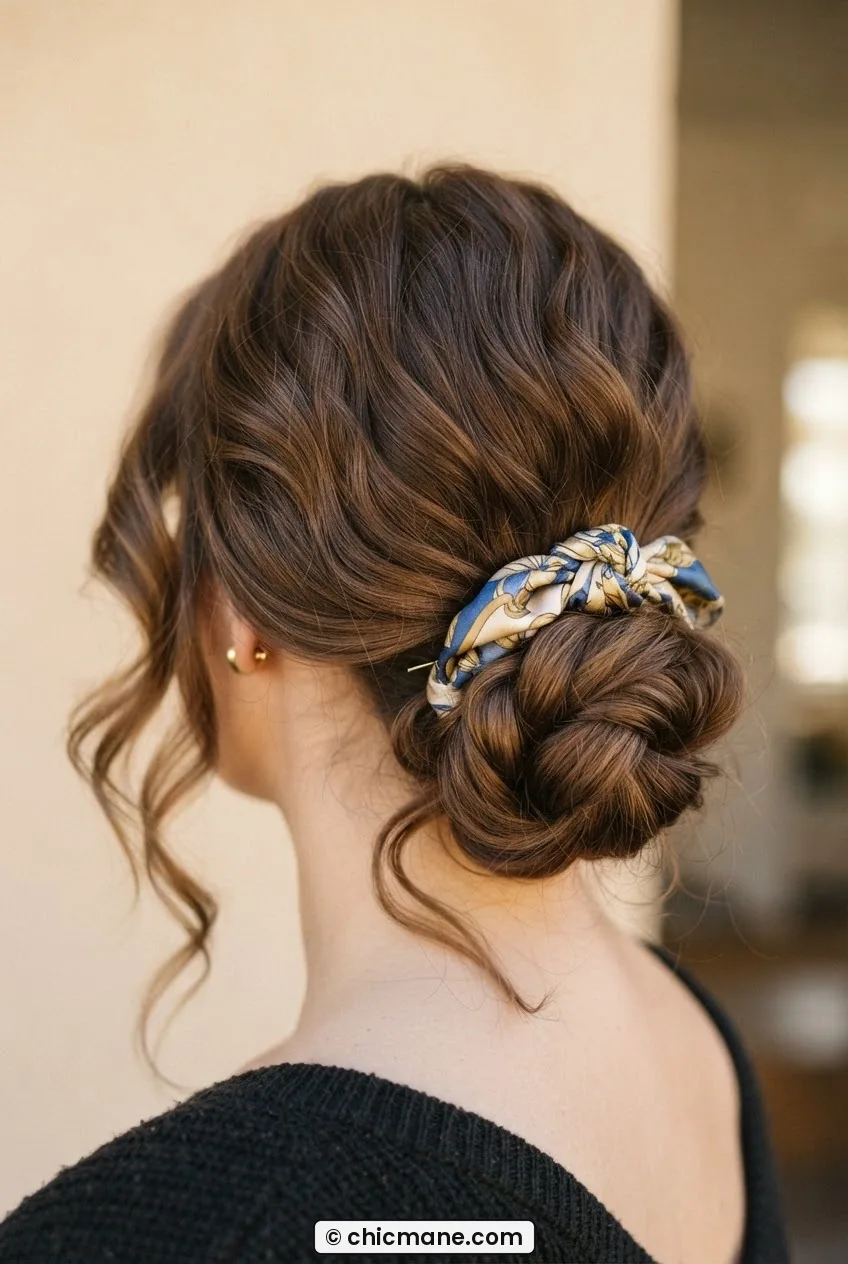
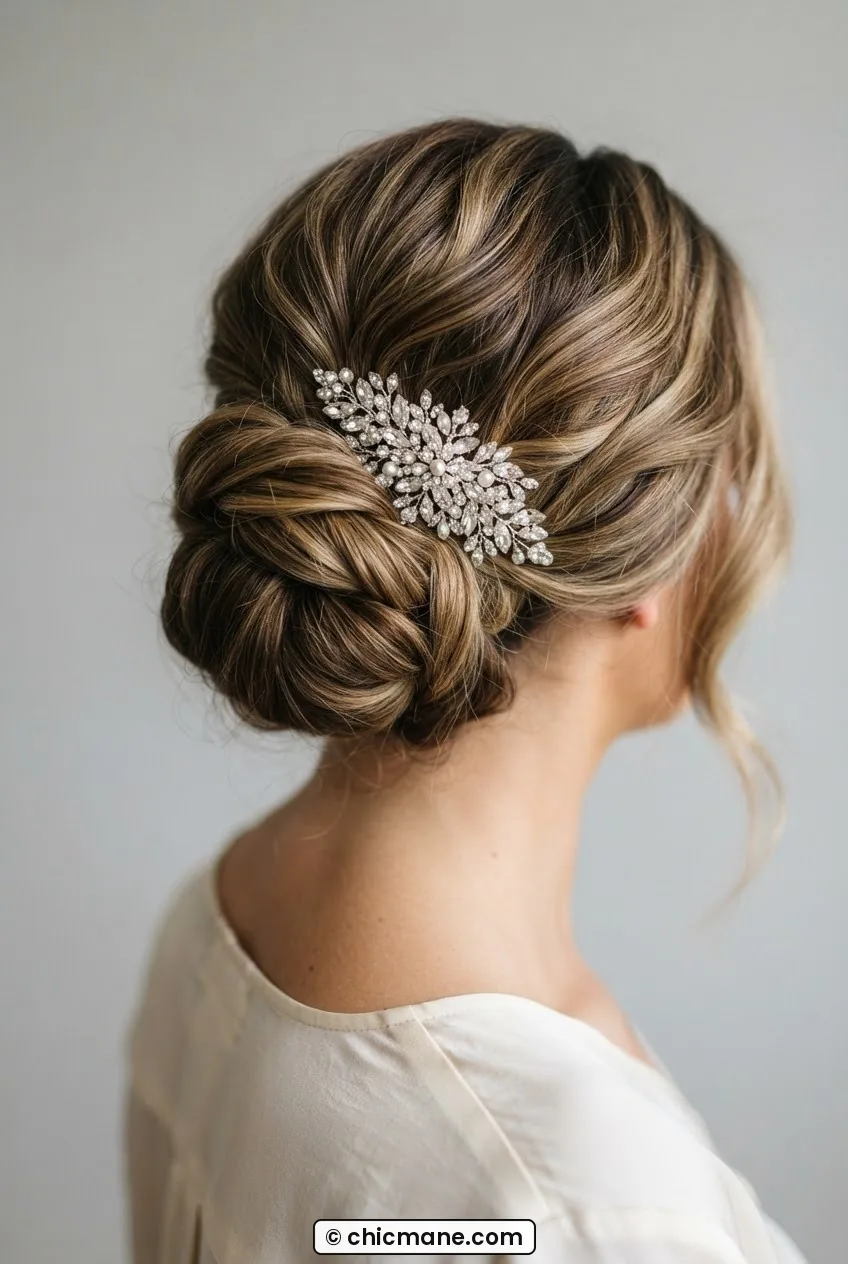
1. I got bored. After enough weeks of the same silhouette, I’d walk past a mirror and feel nothing. That’s a real signal worth listening to. Boredom isn’t a reason to overhaul everything, but it is a reason to tweak. I started adding accessories — a pearl pin, a decorative clip, a silk scarf tucked into the twist — and suddenly it felt new again without being unrecognizable.
2. I was trying to look different for someone. This is embarrassing to admit but it’s true. There were periods where I wore my hair down because I thought it looked more approachable, more relaxed, more like I wasn’t trying. What I’ve come to understand is that “not trying” is its own aesthetic effort, and it’s exhausting in a very particular way.
3. A bad haircut. When the length is off, the updo suffers. I had a cut once that left me with layers too short to catch in a pin, and for three months I had little sprigs escaping everywhere. If you’re considering something dramatic, it’s worth exploring hairstyle ideas from crop to waist length before committing to a cut — understanding where your length will land tells you a lot about which styles remain available to you.
The difference between a rut and a signature, I’ve decided, is awareness. A rut is what you do without thinking because you’ve given up. A signature is what you return to because you’ve thought it through and it keeps winning. My updo is firmly in the second category. I just had to leave it a few times to understand that.
It’s also worth noting that the updo isn’t one fixed thing — I’ve watched it evolve seasonally. Tighter and more structured in winter when I want the look to feel intentional, looser and slightly messier in summer when the goal is to get hair off my neck without looking like I’m fighting it. The style that works for athletic situations — like the styles behind why softball hairstyles got popular again — is actually a close cousin to the practical updos I reach for on chaotic weekdays. Functional and flattering aren’t as far apart as people think.
Questions I Get About This
Do updo hairstyles work on short hair?
Honestly, more than people think — but the style has to shift. A true French twist or high bun needs length to grip, but a textured half-up or pinned-back section absolutely works on shoulder-length hair and even some bobs. The key is learning short hair updo techniques that work with the length you actually have, not the length you wish you had. I’d also say: some of my favourite updo-adjacent looks on shorter hair involve more pins and fewer elastics.
How do I make an updo look less stiff and formal?
Pull pieces out intentionally before you leave the house — don’t wait for them to fall out on their own. Frame pieces around your face, a few at the nape of your neck, maybe one on the side. The goal is to look like the updo has been living in your hair for three hours, not like you just pinned it. Texture spray on the loose pieces helps too — it stops them from looking limp.
Won’t wearing my hair up every day cause breakage?
It can, if you’re using the same tight elastic in the same spot every single day — that’s where the damage accumulates. The solution is rotation: vary the placement, switch between clips and pins and softer ties, and don’t pull the style as tight as you think you need to. A looser grip actually holds longer anyway, because it’s not fighting the hair’s natural movement.
What’s the best updo for a special occasion when I’m not used to wearing one?
Start with something close to what you already do on a normal day, just elevated. If you wear a low bun on weekdays, a low chignon with a few pins or a decorative clip is a natural step up — it won’t feel like you’re in costume. The worst thing you can do before an event is try a style you’ve never practiced. Save the dramatic structured updo for when you’ve worn it at home a few times first.
If you take one thing from all of this, let it be that returning to a style isn’t giving up on variety — it’s understanding yourself. My updo isn’t where I ended up because I stopped looking. It’s where I ended up because I kept looking and kept landing here. That feels like a very different thing.